The 365 Commitment is not for those who are concerned with changing other people, it is for those who wish to change themselves. Or, at least change yourself – successfully and for the better – before attempting to change others.
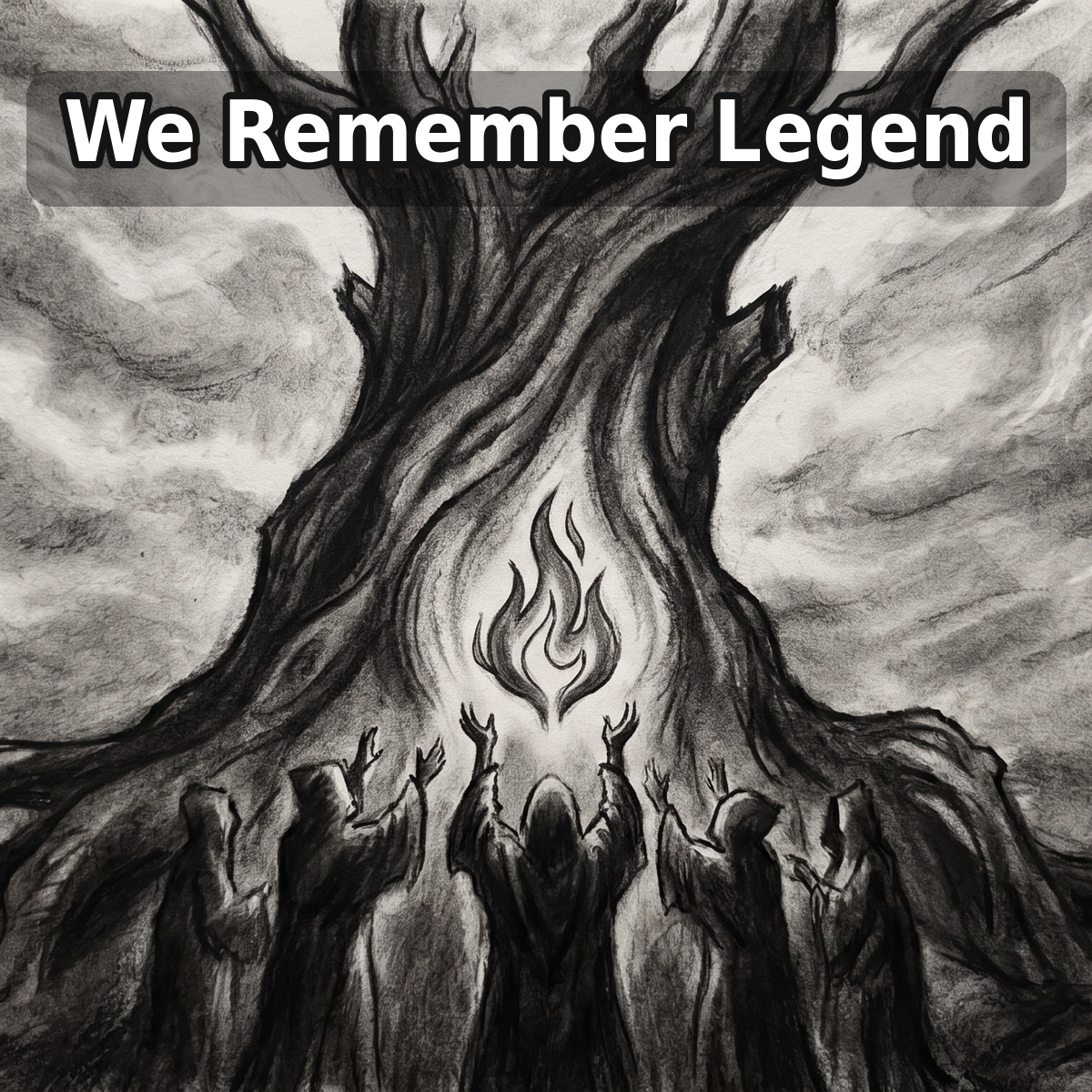
It is borne of the realization that instant transformation, for the better, is rare and, more often than not, an illusion. Transformation is more akin to organic growth. A tree does not instantly go from sapling to mighty oak; no, it grows incrementally. Of course this metaphor is limited because we are much more complex than a tree, but it is a puzzle piece that fits because it illustrates real world constraints we share with oak trees.
Unlike an oak tree we have the capacity to imagine the future and modify our environment, and use tools both physical and verbal. We have unprecedented access to the wisdom and knowledge of past generations and current genius through, books, podcasts, and relationship. The scary flip side is unprecedented access to the enormous pitfalls of distraction and corruption by what can only be described as evil forces.
So, here we are. How can we change ourselves for the better? How can we take advantage of the amazing opportunity of life that we inhabit? How can we protect ourselves and avoid the pitfalls all around? These are the questions that the 365 Commitment is trying to answer.
First we bow to the reality of our real-life constraints – change/growth seems to take time and is incremental, so daily practice and discipline are a requirement – this is why we strive to discipline ourselves daily and cultivate good habits. Second, we consciously think about the future we want to inhabit. You need a vision of yourself in the future to move towards – goals worthy of suffering for. Third, you need to identify and do those things that will move you toward that vision – make that list write it down, check things off – every day. Fourth, you need to align with the highest consciousness, the highest good you can imagine in order to avoid the pitfalls and traps that anyone of us can be trapped by – or destroyed by.
The 365 Commitment is an elegant solution, a pragmatic no nonsense daily process for changing ourselves, navigating this life, and properly conducting ourselves. It is not an overnight transformation, it is, however, a means to an end state worth striving for; a move toward the potential that you were born with.
Honor the gift of your life and avoid unnecessary pain and darkness through a daily practice of thought and action and incremental growth. I think this is what it’s about.
Ben Wagner (185)
Member The 365 Commitment