They say the best way to teach a young child to swim is just to throw them in the deep end. I could never do that. I wanted to, but when push came to shove I could just never throw my toddler into the deep end and say, good luck. However, I have seen people do it and sure enough it seems to work. I went camping in Idaho once and we stayed underneath a large eerie, or eagle’s nest. We saw very similar phenomenon. Mommy eagle pushing her baby out of the nest. Sorry son, its go time she seemed to say. You better be out of here before daddy bald eagle comes home. The baby eagle struggled at first but pretty quickly, flying briefly and then back to the nest. A little better each day.

Sometimes you just have to jump in with no hope of survival unless you swim.

Guy
Subscribe
Notify of
guest
0 Comments
Inline Feedbacks
View all comments
Share the Post:

Recent Blogs

Day 3,228 – Reduce Decision Latency

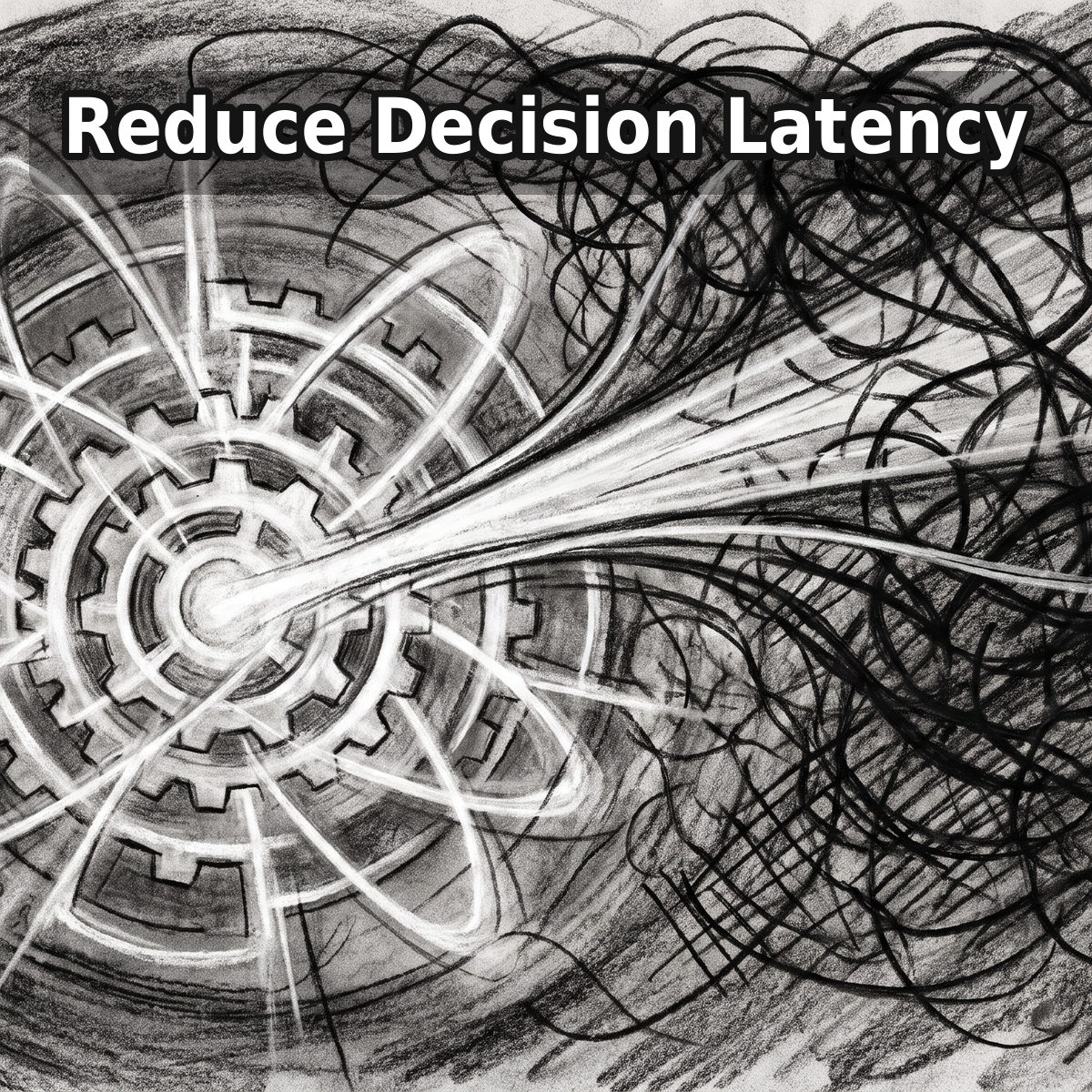
The author explores the cost of indecision, drawing inspiration from a former Tesla executive’s emphasis on decision speed. They argue that while deliberation is important, fear of being wrong often leads to unnecessary delays. The author advocates for a proactive approach to decision-making, emphasizing action, feedback, and adaptability over endless speculation.

Read More

Day 3,227 – Growth Requires Excursions

This piece explores the balance between consistency and growth, using the metaphor of a familiar running route. It argues that while routines provide stability, true growth comes from deliberately stepping outside of our comfort zones and embracing new, sometimes uncomfortable, experiences.

Read More

Day 3,226 – Your Desk Is Your Brain

This article explores the idea that your desk is a reflection of your mind. It suggests that the clutter and organization of your workspace can mirror your thoughts, priorities, and even avoided decisions. The author challenges readers to organize their desks as a way to clear their minds.

Read More

Day 3,225 – The Sunk Cost Fallacy

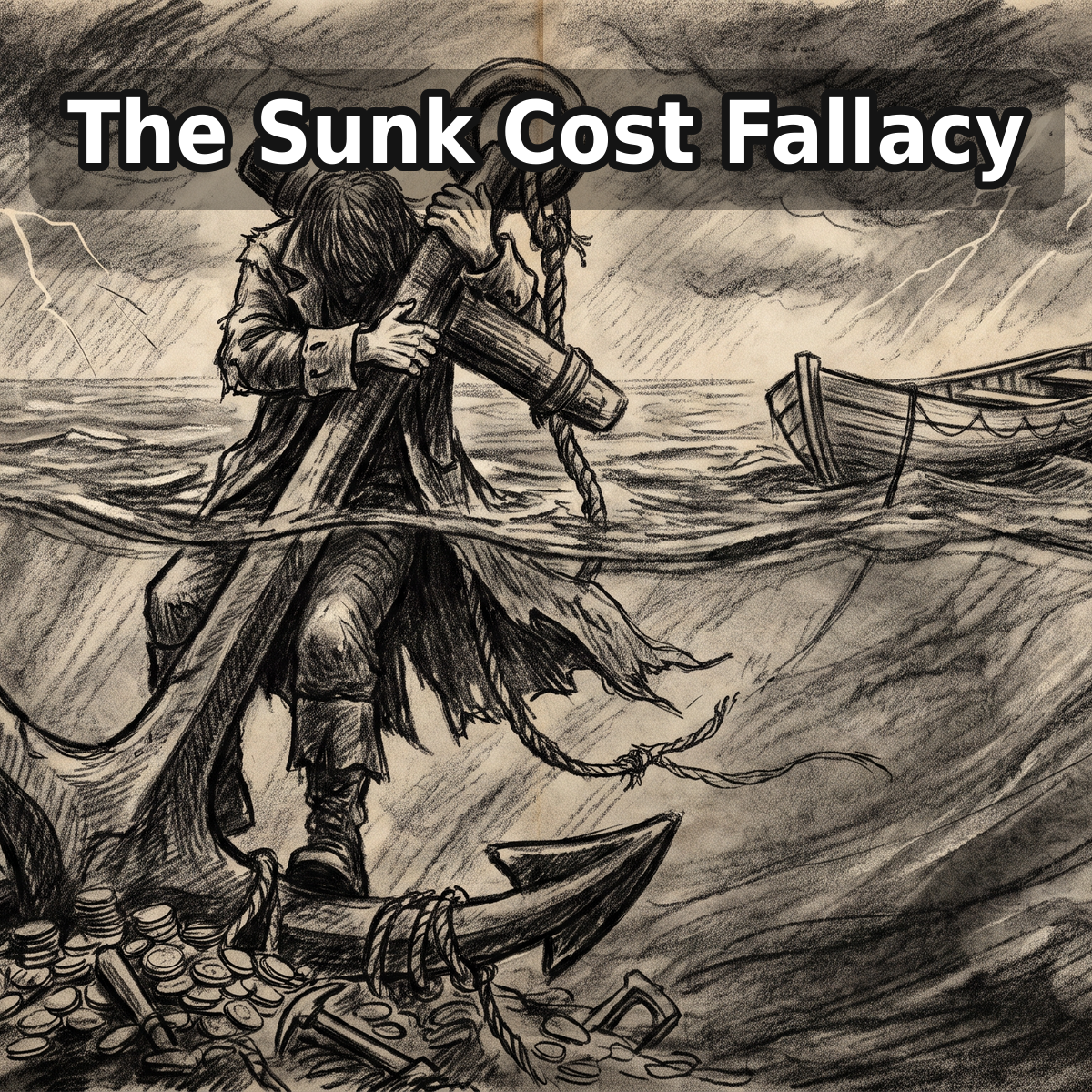
The sunk cost fallacy describes the tendency to continue investing in a losing proposition because of past investments that cannot be recovered. This often leads to greater losses and regret. The key is to evaluate if future rewards justify additional investment, or if it’s better to cut losses.

Read More
0
Would love your thoughts, please comment.x
()
x