Blog 211 – Still The Same

Plutarch the ancient historian recounts how festivals and feasts were created in memory of famous heros or perhaps lovers whose love ended in tragedy, or perhaps a demigods exploits. In  his book, Plutarchs Lives, I notived he would describe the origin of the feast or  festival and then say, “and they still celebrate every your to this day.” What stuck Me as funny was how people are just the same today.

I was just in Memphis Tennessee and There they were holding a candlelight vigil for Elvis. It was either his death of birth that they were commemorating, I’m not sure which , but  I know they hold weeklong events for both at different times of the year. I wonder how far into the future these will last?

What is funny to me  is how people do the Same things today as try did in ancient times. Instead of gathering to feast or mourn for Hercules, it’s now Elvis. Same thing!

The value in this observation of human behavior  is to value and study history as a means of understanding ourselves and as a means of avoiding and or  repeating mistakes-

Despite our technology we are still the same un less we can learn from our collective history and personal history.

  1. So change and wisdom can be inspired through the study of the past. otherwise, we stay the same.

Ben Wagner (218)

Member The 36S Commi+ment
Subscribe
Notify of
guest
0 Comments
Inline Feedbacks
View all comments
Share the Post:

Recent Blogs

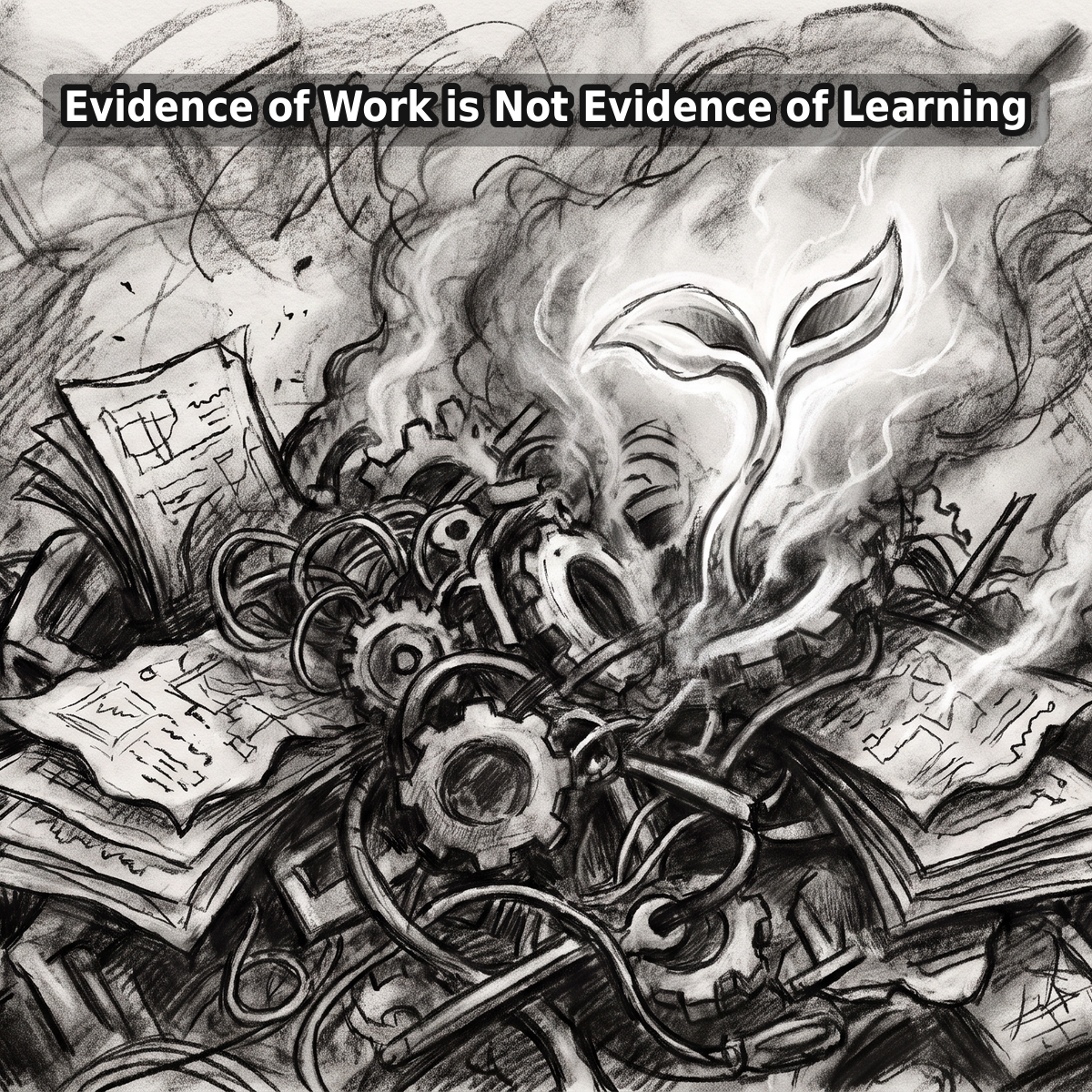
Day 354 – Evidence of Work is Not Evidence of Learning

This article argues that AI has exposed a fundamental flaw in modern education: the substitution of “evidence of work” for “evidence of learning.” It highlights how schools have increasingly focused on quantifiable outputs like completed worksheets and assignments, which AI can now easily generate without genuine understanding. The author contends that AI’s proliferation forces education to return to its core purpose—actual teaching and fostering cognitive development—rather than merely verifying compliance.

Read More

Day 353 – les Lumières

Immanuel Kant’s 1784 essay, “What is enlightenment?” marked the end of an era, much like we might be at the cusp of a new one today. The Enlightenment, characterized by reason and a departure from superstition, was known as *les Lumières* by the French and *Aufklärung* by the Germans. We are now entering an “Age of Knowledge” where access to information is ubiquitous, shifting the focus from acquiring knowledge to exercising judgment.

Read More

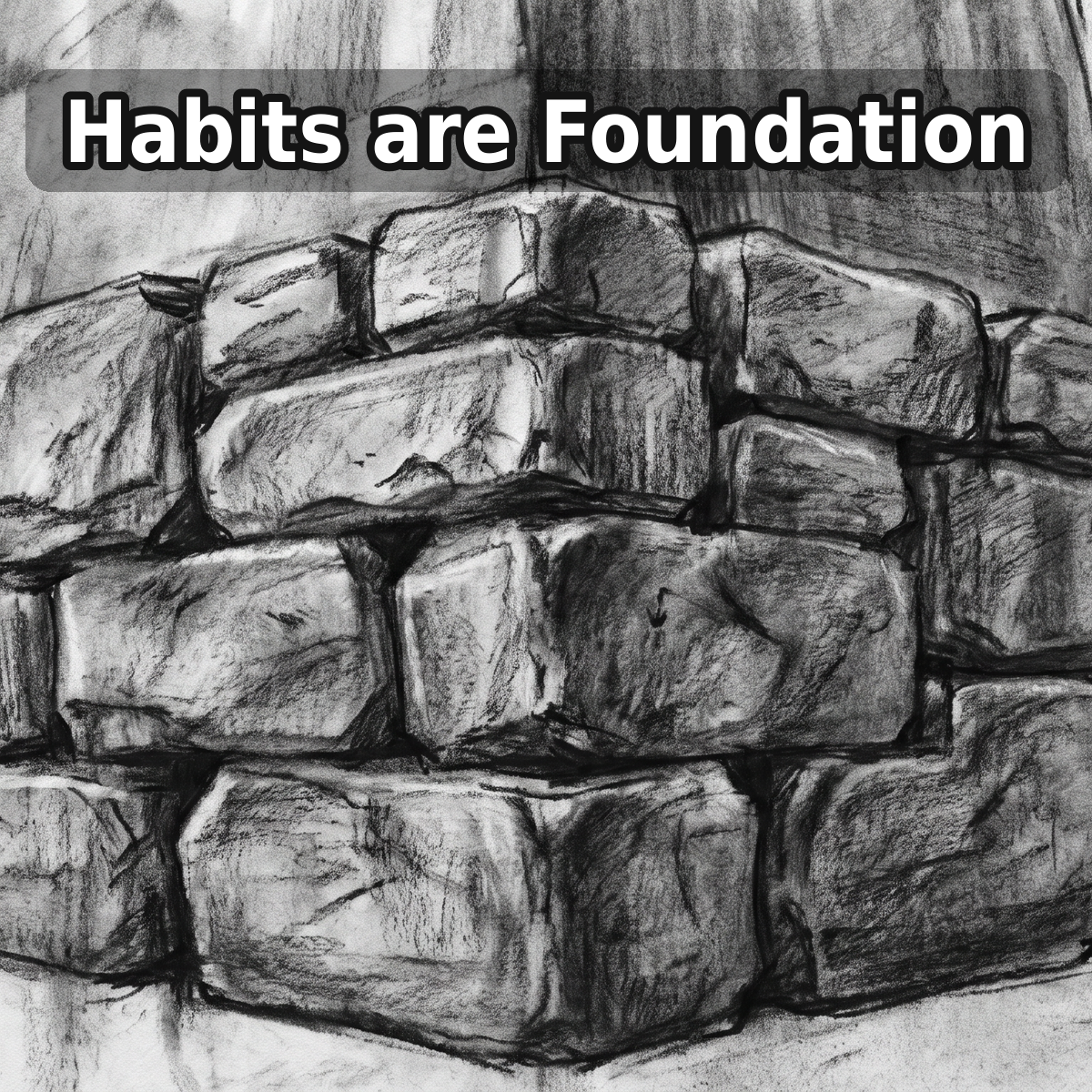
Day 352 – Habits are Foundation

This article discusses the importance of developing habits for personal transformation. It emphasizes that consistent, small habits lead to inevitable success and reduce reliance on motivation or discipline. The key is to engage in the principal action related to your desired outcome every day, as repetition is the best way to fix behavior.

Read More

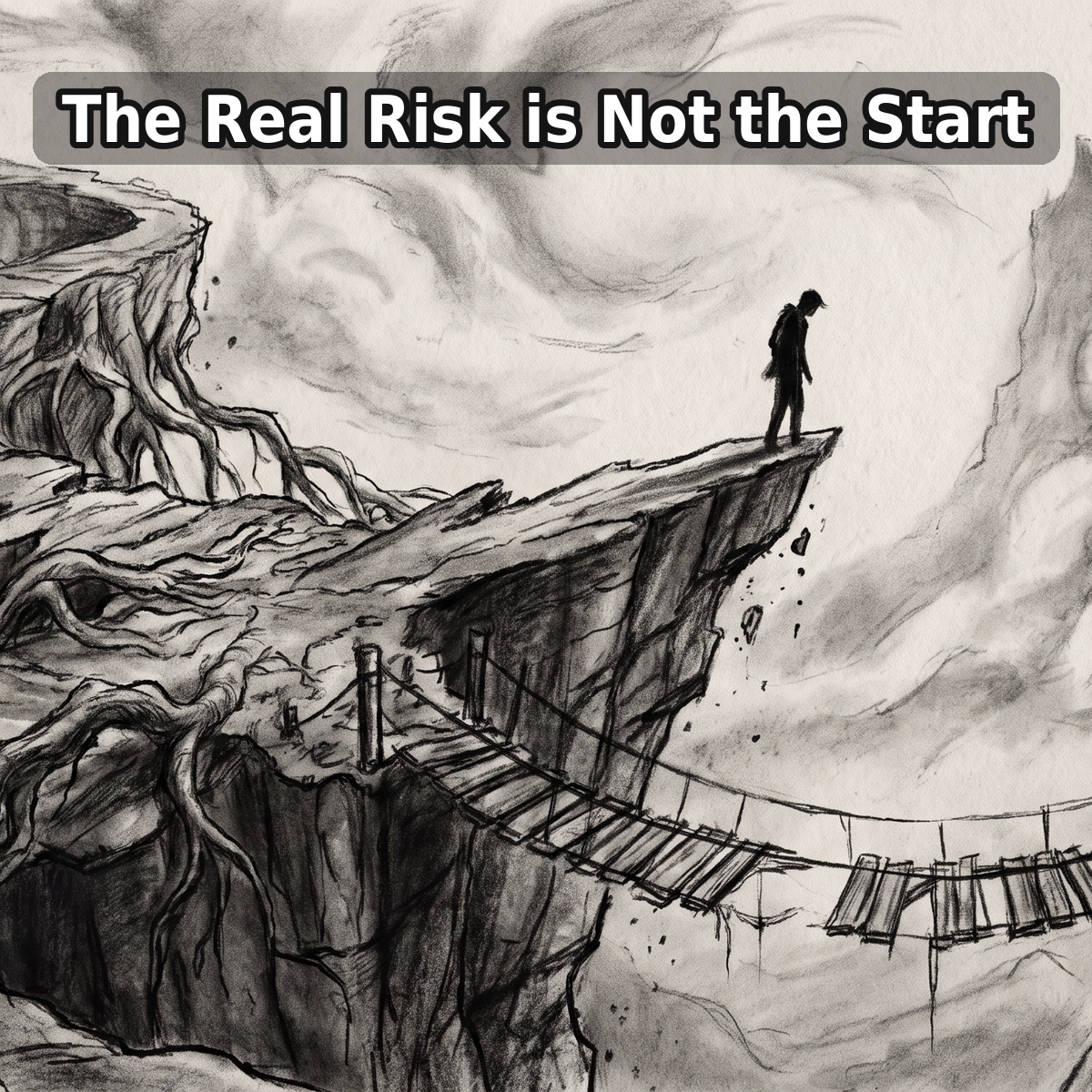
Day 351 – The Real Risk is Not the Start

Many people fear starting new initiatives due to the perceived risk of initial failure. However, the beginning often offers easy gains and quick successes. The real challenge arises after these initial successes, when progress plateaus and requires significantly more effort, skill, or a change in strategy.

Read More
0
Would love your thoughts, please comment.x
()
x