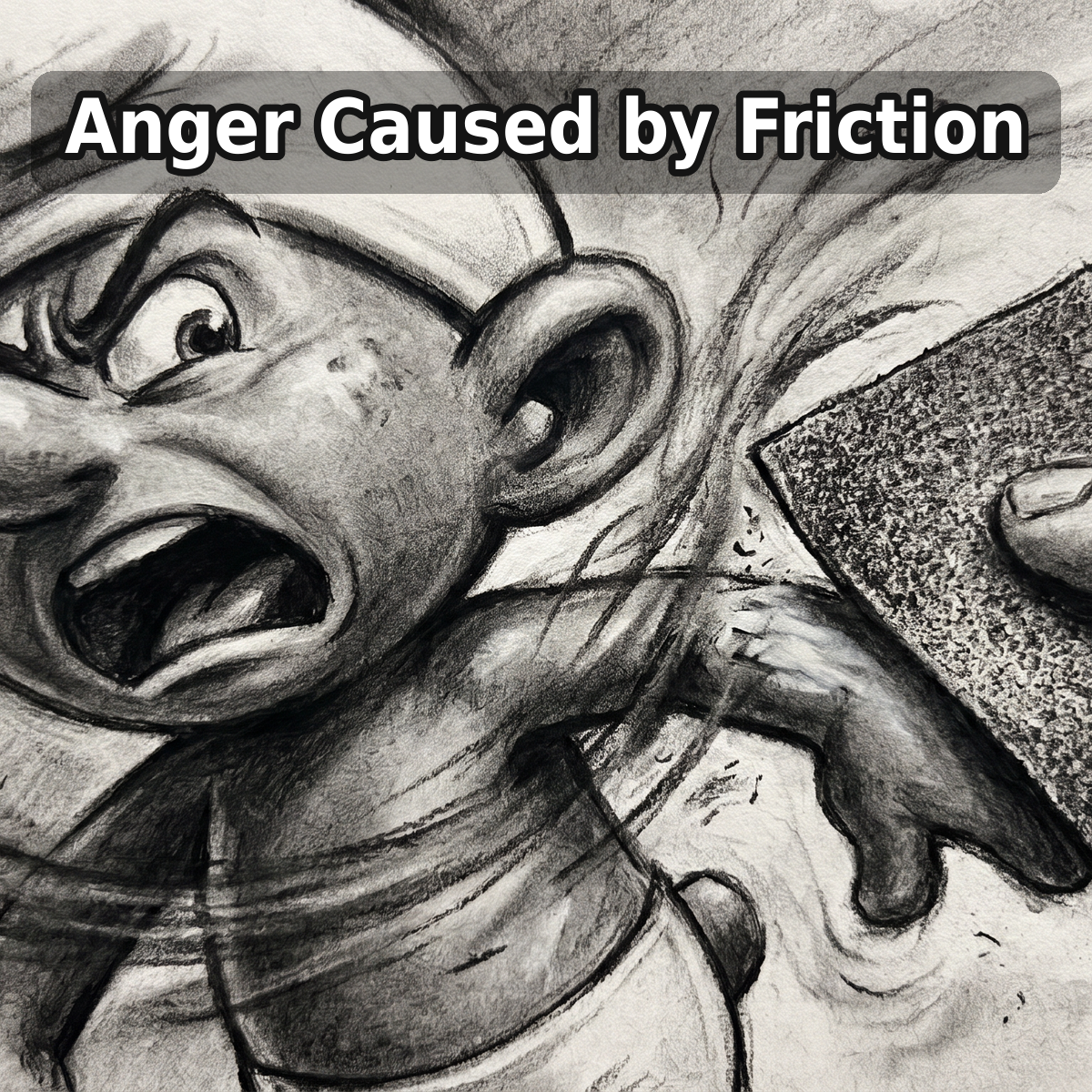
If you are like me, you run from conflict. I have a visceral reaction to it. When I sense that conflict is coming, my tendency is to run away. Indirect approaches to the problem are my usual modus operandi. As I have gotten older, slightly more experienced, I have to admit that this is not always the correct approach. Sometimes conflict is actually good.
This is a difficult admission for me. This probably has to do with my childhood. Although my family had conflicts, they were not big dramatic flair ups. They were quiet, subdued and reactions were more passive aggressive then direct frontal assaults. So when I see or experience conflict I tend to tense up and feel weird about it. I have to realize that conflict is an important and necessary part of the human experience. We will just never get better at anything, improve at anything unless we embrace conflict and perhaps even enjoy it!
That is right, enjoy conflict. When we have conflict with another person we should be grateful. That is because we are making progress! We are heading in the right direction. It is when you are not experiencing conflict that you should be concerned. That means that you are not getting close to the real prize, or really being that effective. Conflict is a true sign that you are moving in a direction that will cause greater growth in your life.
Instead of running from conflict, we should immediately recognize it for what it is. I have found it helpful to state it very clearly to those involved. Hey, everyone we have a conflict! Lets take a pause and identify what the conflict is so that we can all understand what our motives are. Many times we will talk over and through people because we are not dealing with the conflict at hand. We keep trying to state and restate our position in hopes that the conflict will just go away. Or worse, we just avoid the conversation all together and turn a blind eye to the real problem at hand. This is just not a good strategy. Identifying and dealing with the conflict in front of us should always be the first order of business for us.
I think the key to learning to enjoy conflict is to recognize that conflict is occurring and why. This takes the sting out of the conflict and helps makes the situation more rationale. Having both sides out in the open and on the table helps you understand what is really going on and removes a significant amount of emotion out of the equation. This does not make the conflict any less real, and it might make the confrontation seem worse at first, but it is always better to have the truth ahead of time. At least in my opinion!
Hiding from conflict just slows things down. If a conflict exists, it is better to expose that early so that you can deal with the real issues and get to resolution faster. The same thing goes in your own personal improvement objectives. When we are not accomplishing what we want to achieve, it is because we have a conflicting interest. What is that conflict? Do you really understand it? Perhaps you need to deal with your internal conflicts directly and openly so that you are better equipped to handle the issues that are getting in your way.
If we learn to enjoy the discovery and resolution of conflict rather then conflict avoidance then we might find that we are able to enjoy faster growth in our personal ambitions.
Guy Reams