I have the toughest time relaxing. I decide to take some time off of work and unwind so that I am not so stressed out all the time. However, I take a few hours to relax and instead come up with more to think about and pretty soon I am back working again! Now awhile ago, I started this new habit of daily meditation. I did that for over a year everyday. That was definitely good, taught me to clear my mind and be present in the situation.

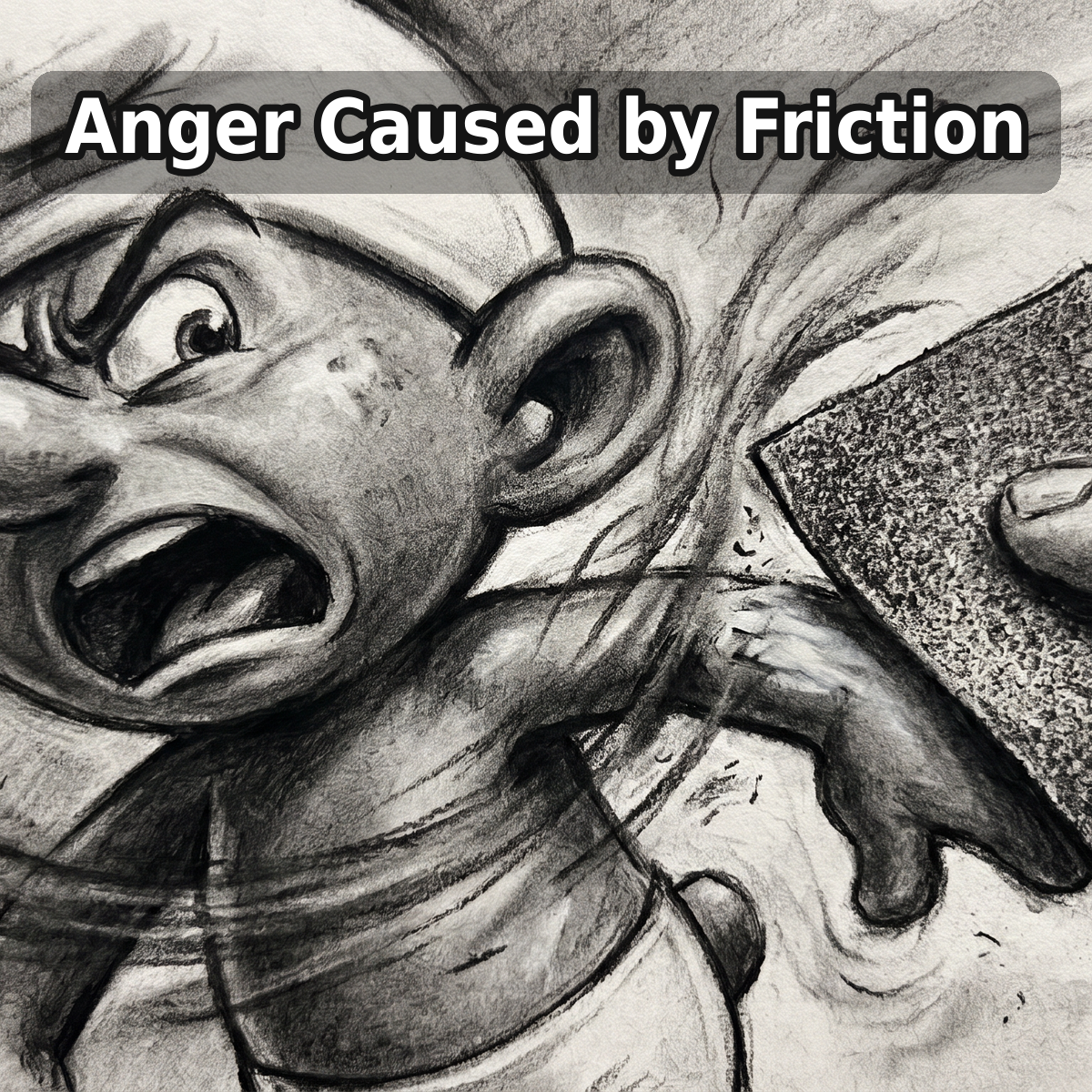
However just choosing to relax when needed is not easy to do, even if you do practice meditation. I have learned that you have to be very deliberate with a transition. Transitions do not happen automatically. You have to FORCE it. You have to do something that forces yourself to relax and get out of the focused mindset you were in before. You could exercise, you could go for a swim, a walk, a dip in the hot tub, whatever. Anything to mark the transition to relaxing time.

I have found writing to be a good way to do that, wrapping up the day in the form of a journal entry. Also, I have noticed that taking a long walk with some guided meditation or imagery really helps as well. I have not tried this, but many people swear by listening to a specific play list of music that becomes symbolic of your transition to relax time.

I can tell you what does not work. Watching television, playing a video game, or looking at your phone. That does not work and actually recreates stressful environments!

Guy Reams
Subscribe
Notify of
guest
0 Comments
Inline Feedbacks
View all comments
Share the Post:

Recent Blogs

Day 309 – The Price Tag of Automation

The author recounts his frustrating experience with home automation after Google abandoned its Nest architecture, leading him to build his own system. He highlights the significant time and effort required for maintenance and the eventual abandonment of his automation efforts due to the high ‘economic life’ cost. However, with the advent of AI, the cost and effort of automation have decreased, making it more feasible and renewing his interest in deploying future automations.

Read More

Day 308 – Speed is The Champion

This article explores the concept that speed often leads to success in various fields, from business to technology and sports. It argues that systems capable of rapid action, feedback, and adjustment tend to outperform those focused on avoiding errors. The author highlights the importance of fast feedback loops, citing John Boyd’s OODA loop and its application in AI systems. The piece also discusses the speed-accuracy tradeoff, noting that while speed can lead to more mistakes, these are often recoverable, and the compounding effect of rapid learning ultimately drives better results.

Read More

Day 307 – Iterative Could be Insufficient

This article explores the contrast between iterative and linear thinking, highlighting their respective strengths and weaknesses. It argues that while iterative thinking is beneficial in many fields, it can sometimes be an excuse for insufficient upfront planning, and proposes a hybrid approach for more robust decision-making.

Read More

Day 306 – The Zeigarnik Effect

The article explores the psychological relief gained from writing down unfinished tasks and concerns, linking it to the Zeigarnik Effect. It explains how externalizing thoughts through writing can free the mind from constantly remembering and worrying about unresolved issues, allowing for greater mental peace and the ability to conclude the day effectively.

Read More
0
Would love your thoughts, please comment.x
()
x