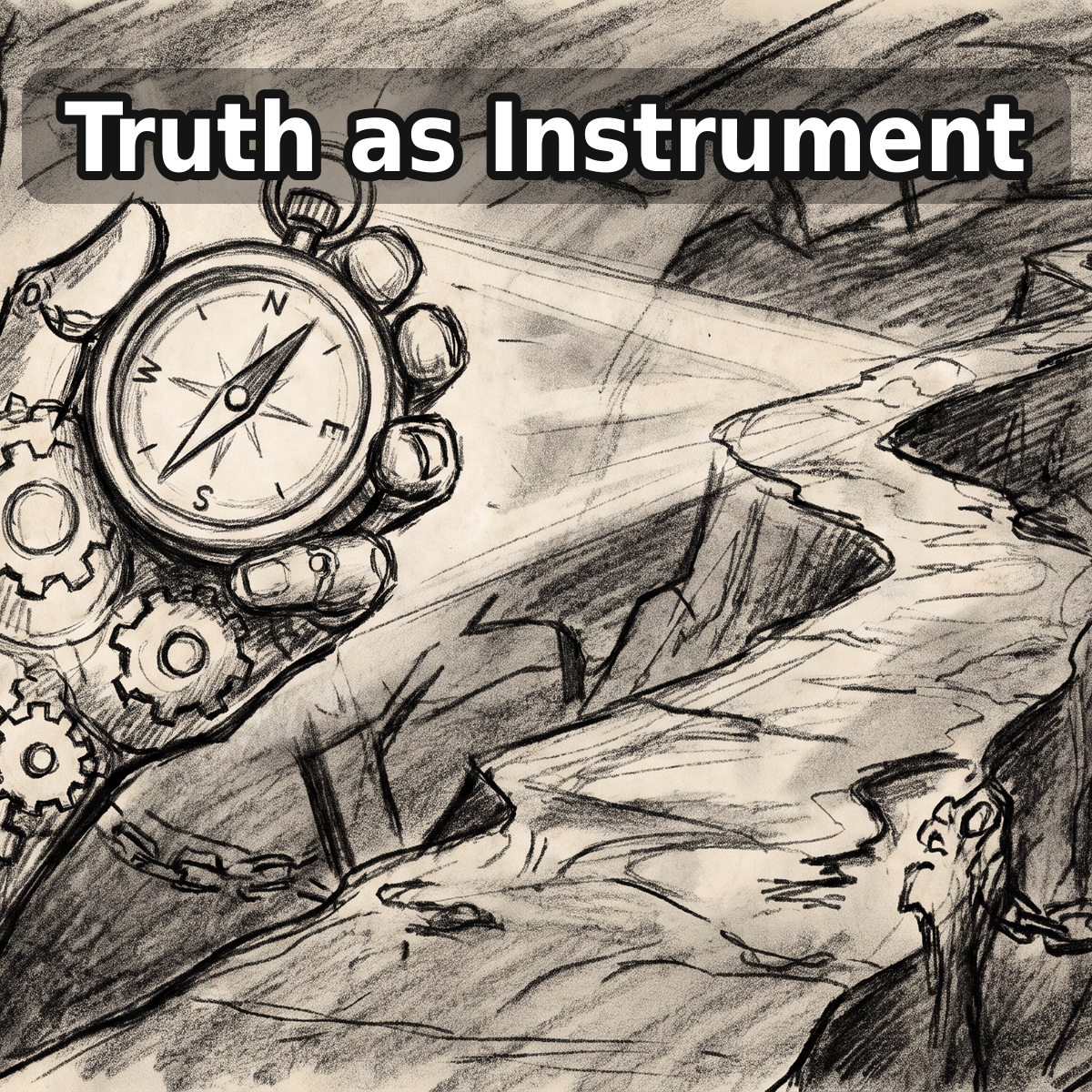
A great author and speaker, Adam Grant made this the title of the 3rd chapter of his book, Originals. He is another psychologist that I listen to and read on occasion. I think the reason that I do so, is that his writing gives me some comfort. You might benefit from this 3rd chapter. Read it here for free.
The quote he starts the chapter with is from Albert Einstein – “Great Spirits have always encountered opposition from mediocre minds.” Begs the question, however, am I the great spirit, or the mediocre? Am I the one opposing, or am I the original non-conformist? Can you be both at the same time?
In the Chapter he gives sort of a matrix of how someone that is trying to drive change, or make improvements to deal with their current situation. Side note – EVERYONE that tries to move an organization to a different trajectory is going to get opposition. That is just a fact. So, the real helpful part is how you react to that. He uses an excellent example. Have you ever tapped out a tune, like say, Twinkle, Twinkle Little Star on your desk? It sounds good in your mind, right? What do you think someone sitting next to you hears?
Reality is that they do not hear the song at all, they here weird tapping sounds, in an uneven pattern. The tune is not obvious to them at all. This is the same thing that happens when you have a unique or original idea that might change an organization. When people hear you talking, they are just hearing words, the tune, the music in your head is not apparent to them. This is frustrating to you, because it sounds perfectly clear in your mind. Why do they not understand it?
Well you have four choices. You can try to change the situation by leaving completely or making your voice heard. Leaving the situation does not benefit the organization, but making your voice heard does. You can also decide to not try to change the situation and completely neglect the organization or just doggedly pursue the current agenda. I vote for making your voice heard and benefiting the organization. In essence, go out on a limb.
Although this certainly applies to my business life, it absolutely applies to my personal life as well. I should not get frustrated by opposition. I should recognize it for what it is, and deliberately choose to take the path that benefits myself and those around me and let my voice be heard. Not a bad course, and certainly feels a lot better than grumbling quietly to myself about how bad everything around me is.
Guy Reams