Blog 106 – How Best to Live?

The 365 Commitment asks us to think about what is most  important in life and begin consciously acting on that.  For me, this brings up the question of how should I live the rest of my life, what should I do with my time and effort?

I was watching a talk show many years ago and Dolly Parton was being asked the secret to her success.  She said, that a person really needs to figure out who they are and then do that on purpose.  Be that on purpose. This really struck me as being great advice.  If we are developing our natural talents and abilities, it stands to reason that we have the best opportunity to provide value to others and enjoy doing it at the same time.  Obviously she has taken her own advice given her unique career that features her particular talent and personality in spades. And, she is phenomenally successful.

Based on the Dolly Parton principle, I think we should develop out strengths and only work on the weaknesses that impede or restrain the development of our strengths or talents.   Spending  80 % of your effort developing your strengths, and then spend 20% of your effort strategically shoring up weaknesses seems like a reasonable guideline to begin with.

If I want to live the rest of my life according to the Dolly Parton principle, then first things first, I need to take an honest look at what my strengths and talents are, and then find ways to employ theme to provide value to others.  I think “providing value for others” is a euphemism that people who need to earn a living use; it means finding a way to ethically get paid.

Ben Wagner (113)

Member The 365 Commitment
Subscribe
Notify of
guest
0 Comments
Inline Feedbacks
View all comments
Share the Post:

Recent Blogs

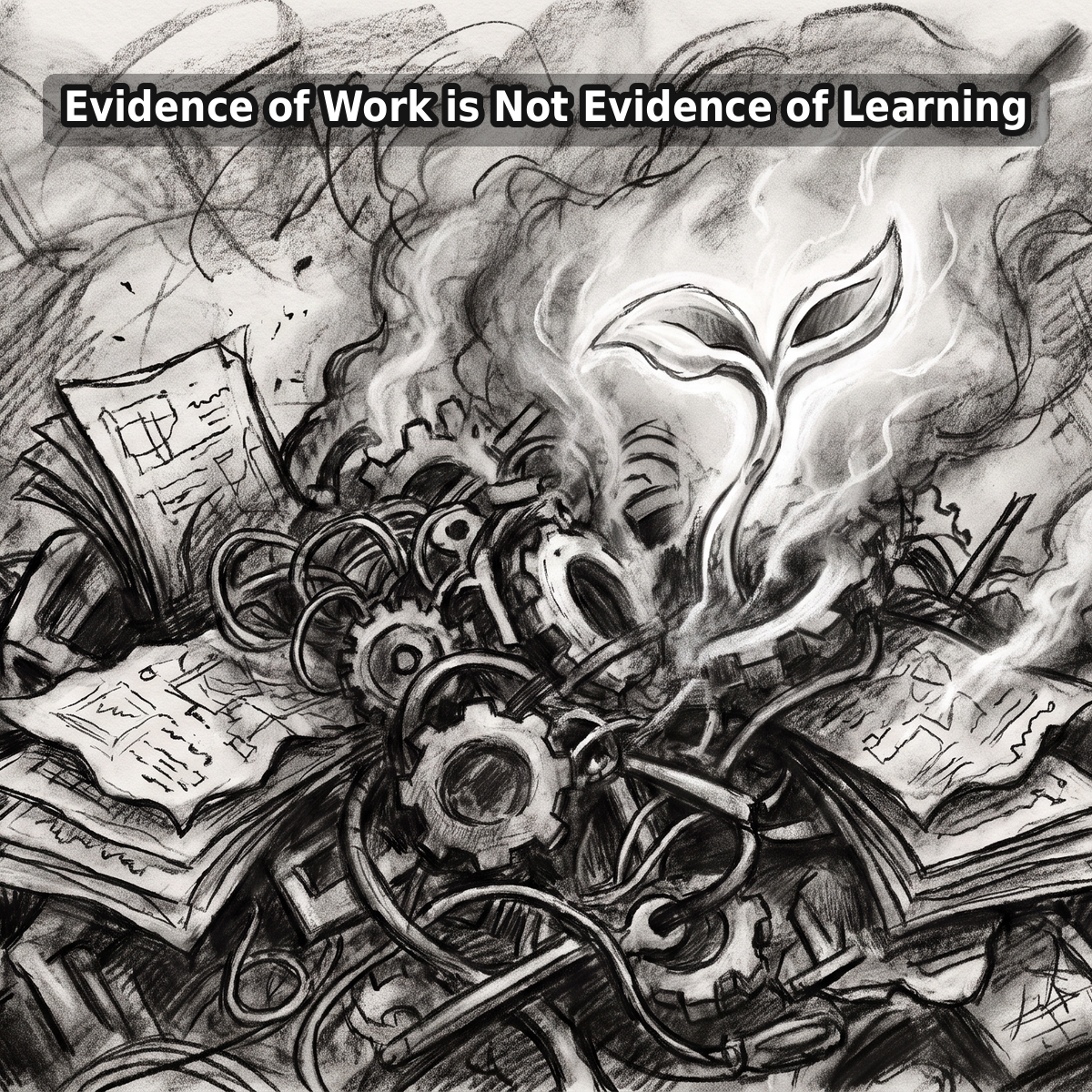
Day 354 – Evidence of Work is Not Evidence of Learning

This article argues that AI has exposed a fundamental flaw in modern education: the substitution of “evidence of work” for “evidence of learning.” It highlights how schools have increasingly focused on quantifiable outputs like completed worksheets and assignments, which AI can now easily generate without genuine understanding. The author contends that AI’s proliferation forces education to return to its core purpose—actual teaching and fostering cognitive development—rather than merely verifying compliance.

Read More

Day 353 – les Lumières

Immanuel Kant’s 1784 essay, “What is enlightenment?” marked the end of an era, much like we might be at the cusp of a new one today. The Enlightenment, characterized by reason and a departure from superstition, was known as *les Lumières* by the French and *Aufklärung* by the Germans. We are now entering an “Age of Knowledge” where access to information is ubiquitous, shifting the focus from acquiring knowledge to exercising judgment.

Read More

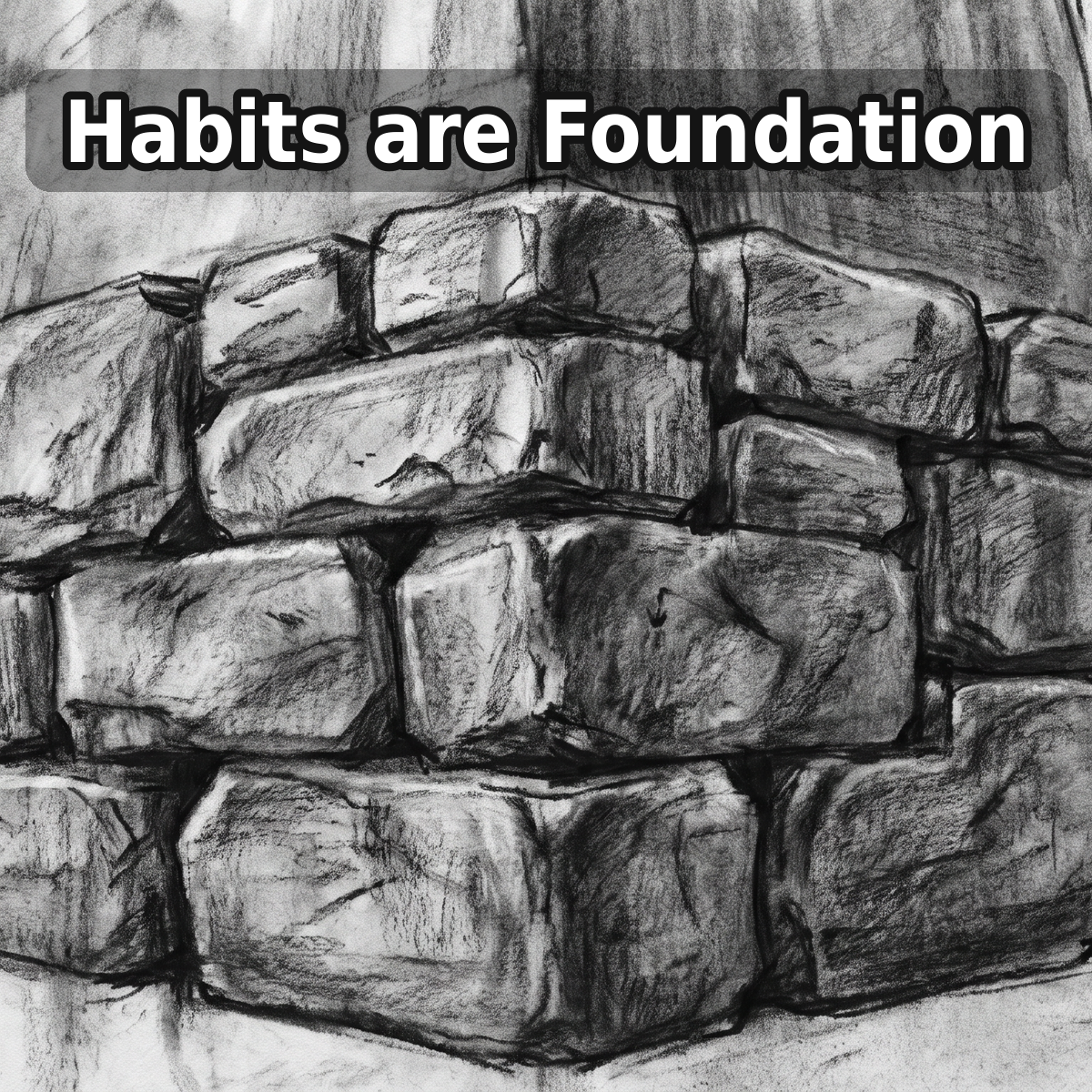
Day 352 – Habits are Foundation

This article discusses the importance of developing habits for personal transformation. It emphasizes that consistent, small habits lead to inevitable success and reduce reliance on motivation or discipline. The key is to engage in the principal action related to your desired outcome every day, as repetition is the best way to fix behavior.

Read More

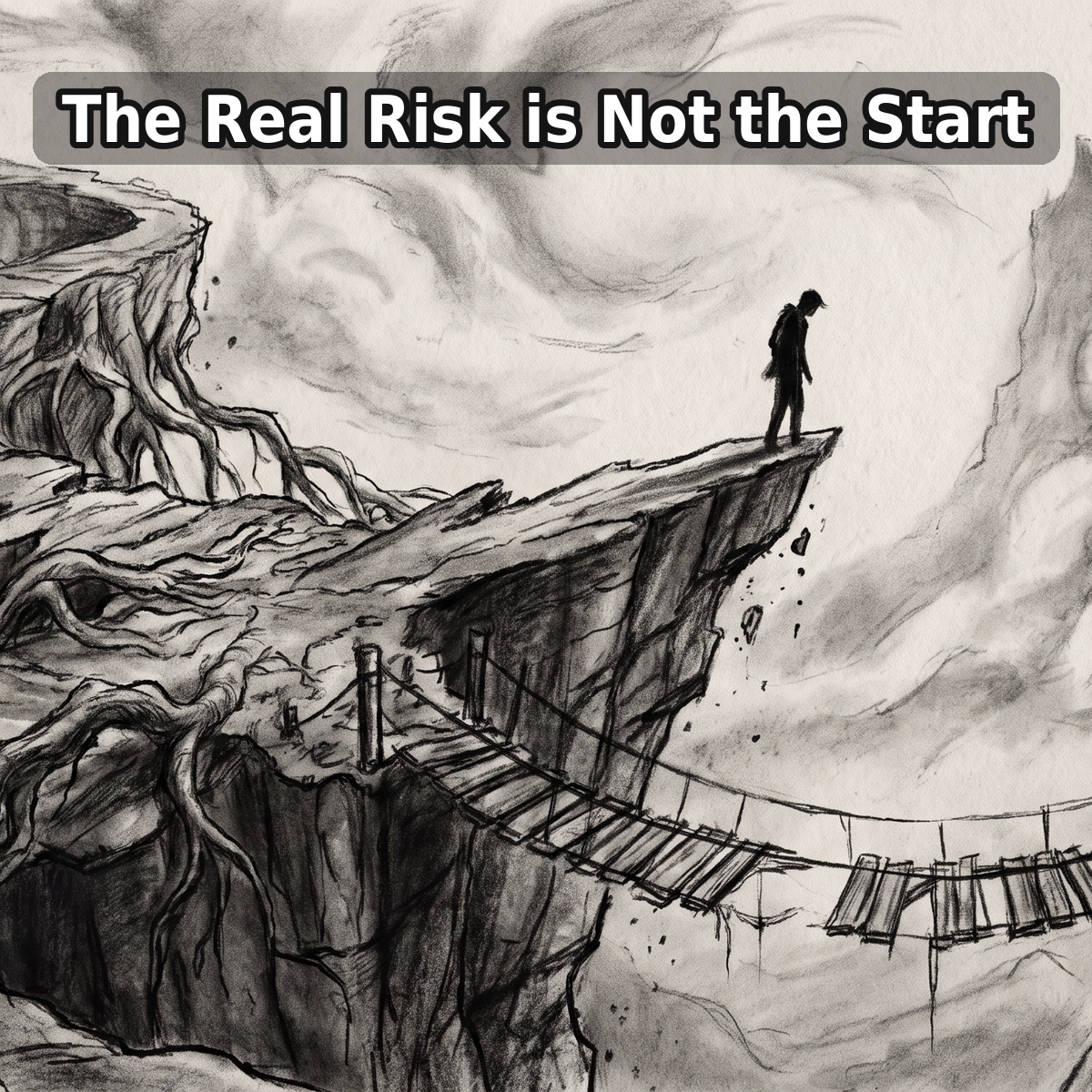
Day 351 – The Real Risk is Not the Start

Many people fear starting new initiatives due to the perceived risk of initial failure. However, the beginning often offers easy gains and quick successes. The real challenge arises after these initial successes, when progress plateaus and requires significantly more effort, skill, or a change in strategy.

Read More
0
Would love your thoughts, please comment.x
()
x