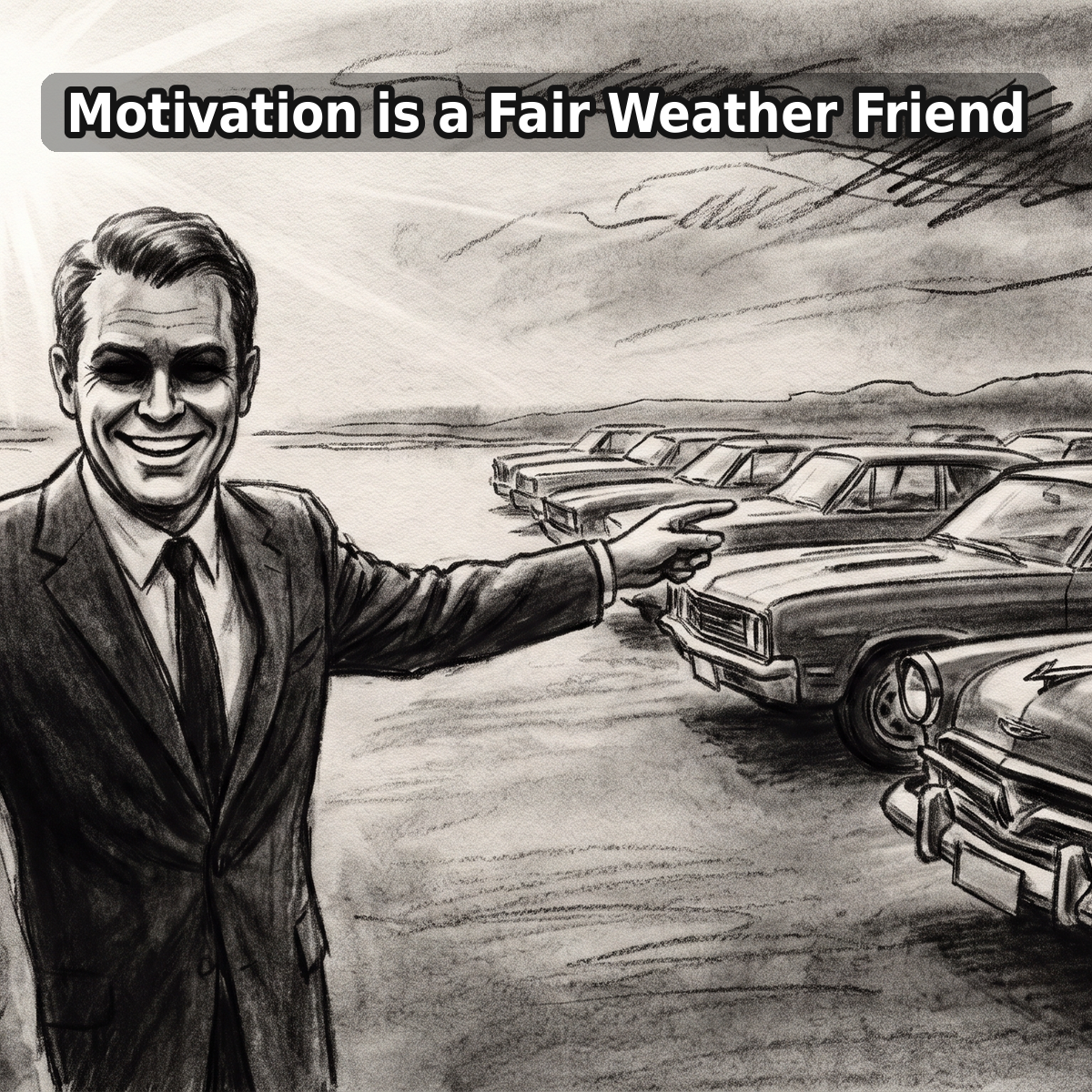
I am absolutely not a NASCAR fan. I can appreciate the concept of fast cars but not so much the continuous loop of left hand turns. Sitting in the hot sun on hard metal bleachers and breathing in carbon monoxide has never quite appealed to me either. So I am not really sure why this thought popped into my head this morning, but the question I thought to ask is, What has the most impact on the outcome of the race? The Car or the Driver?
As it turns out, I am not the only one to have asked this question. To some it seems obvious. One season, Kyle Busch is dominating every race, the next season he is not. What changed? The car of course. Other examples have happened where the driver gets swapped out with the same car, and the results are just not the same. What changed? The driver. So the debate rages. I imagine there are other factors as well. Race Day operations and perhaps good ol fashioned luck. One article that I was reading on the topic claimed that drivers themselves debate this frequently. Some argue the driver has as much as a 35% impact on the outcome of a race, others mark the drivers influence to more like 25%.
Take either one 25% or 35%, all things being equal the driver has a major impact on the outcome of a race. If both drivers have fast cars that do not break down, and solid teams that execute on race day then the competition is going to come down to the driver. You could argue that the driver has some influence on the creation of the vehicle. Time behind the wheel, trying, testing, learning how to interface well with the controls. Getting the vehicle to be tuned to the specific driver is probably a bit of a science (one that I know nothing about). However, for the most part the driver gets to deal with what he has been dealt on race day. If the car is not quite as fast and driver does a great job that maybe enough to win. Same is true in reverse, if the car is the fastest car on the track and the driver is not the absolute best, then it may still be a win. However, the point of this blog is that the driver cannot worry about the car that was selected on race day. He or she has only one option – drive the car that they have picked to the best of their ability and hope that what they put in that day will make the difference needed to win.
So there you have my blog for today. There are many systems, methods, ways of improving yourself, performing your job, and a myriad of other life requirements. You could easily find with one quick google search hundreds of self improvement systems, scheduling concepts, nutrition plans, exercise methodologies. You identify what you want to improve, google around and find a few systems that seem attractive. Spend an hour or so and decide which one seems to be the best. Here is the important point, once you have done that, once you have selected a system for improvement you are now just like the NASCAR driver. You have picked your car, and now it is 100% up to you to make the difference.
True, maybe you will discover that you could have picked a slightly better system. Perhaps you did not get the perfect one. However, that does not matter at all. The system you picked, perhaps number 4 out of 5 good ones no longer matters. What matters is your execution of that system. Here is the point, you procrastinators of the world, the selection of the system for improvement has very little to do with your success in the end. Your success largely depends on your execution of a system, any decent system that gets you headed in the right direction. We spend way too much time thinking about what method will work, which one is the best. The challenge is that the hesitancy to get going is what is causing the most harm, not the selection of a slightly imperfect system.
I heard someone debating the other day about intermittent fasting with a colleague. Both of them were eating a very massive lunch filled with lots of calories. Their debate continued through cookies, and then into a nice sugary soda. I am not judging, I was stuffing my face with the brownies while I listened, do not get me wrong here. I bring this up for this reason. Intermittent fasting may very well be an awesome system for improving health, nutritional balance and losing weight. It could be the best way, I do not know. The point is that it does not matter. It achieves a very important objective. It reduces the calories you are consuming, helps you become more conscious of your food choices and helps you regulate your metabolism and truly know when you are hungry. If you execute on this system, you will have good results. However, I could say that about 10 different other types of plans as well. The point is this:
It is RACE DAY. Pick your car and stomp on the pedal! You are all the difference now!
Guy Reams