The first thing you do in the morning defines you. Really think about that. If the first thing you do in the morning is roll back over and go to sleep, well there you have it. That defines you. Ugh, not a good picture. If the first thing you do is sit on the edge of the bed and contemplate quitting, or what you have to stress over then that will define you as well. Can you change your morning up? What if the first thing you did was jump out of bed and do pushups? How would that define you? Perhaps the first thing is to say a prayer?

I have heard many successful people comment on this topic. The first thing they choose to do. I have heard many ideas, all of them good. I have even heard, make the bed as an option. Somehow starting the day with your bed made is a big deal. Does not work for me, because my spouse is not getting up that early! Anyway, the first thing is an interesting thing to contemplate.

I think the worst first thing is to look at your phone. Read email, or check out a news feed. That would be horrible. You are effectively saying the first thing is to let someone else dictate your day for you. How horrible is that!?

My first thing is usually to wake up and review my commitments, and to plan the day. I have been doing that consistently for a very long time. I may change it up a bit, to see if doing something else first thing for awhile impacts me in a different way. Of course, I will always do the 365 commitment that I started every morning. I have tried meditation as the first thing, pushups as the first thing, reading as the first thing. All of these have had a great impact.

Anyway, worth a consideration. Decide to do something every morning, immediately upon waking and see what happens. I think you will find some awesome results.

Guy Reams

Subscribe
Notify of
guest
0 Comments
Inline Feedbacks
View all comments
Share the Post:

Recent Blogs

Day 343 – Selling Shovels in a Gold Rush

The article draws parallels between the California Gold Rush and the current AI boom, highlighting how individuals profited by selling tools and information rather than directly extracting gold. It discusses historical examples of Samuel Brannan, Henry Vizetelly, and Joseph Ware, who capitalized on the gold rush through various means, including hoaxes and guides. The piece concludes by advising caution when encountering AI gurus, suggesting one should investigate the source of their wealth.

Read More

Day 342 – Forming an Opinion

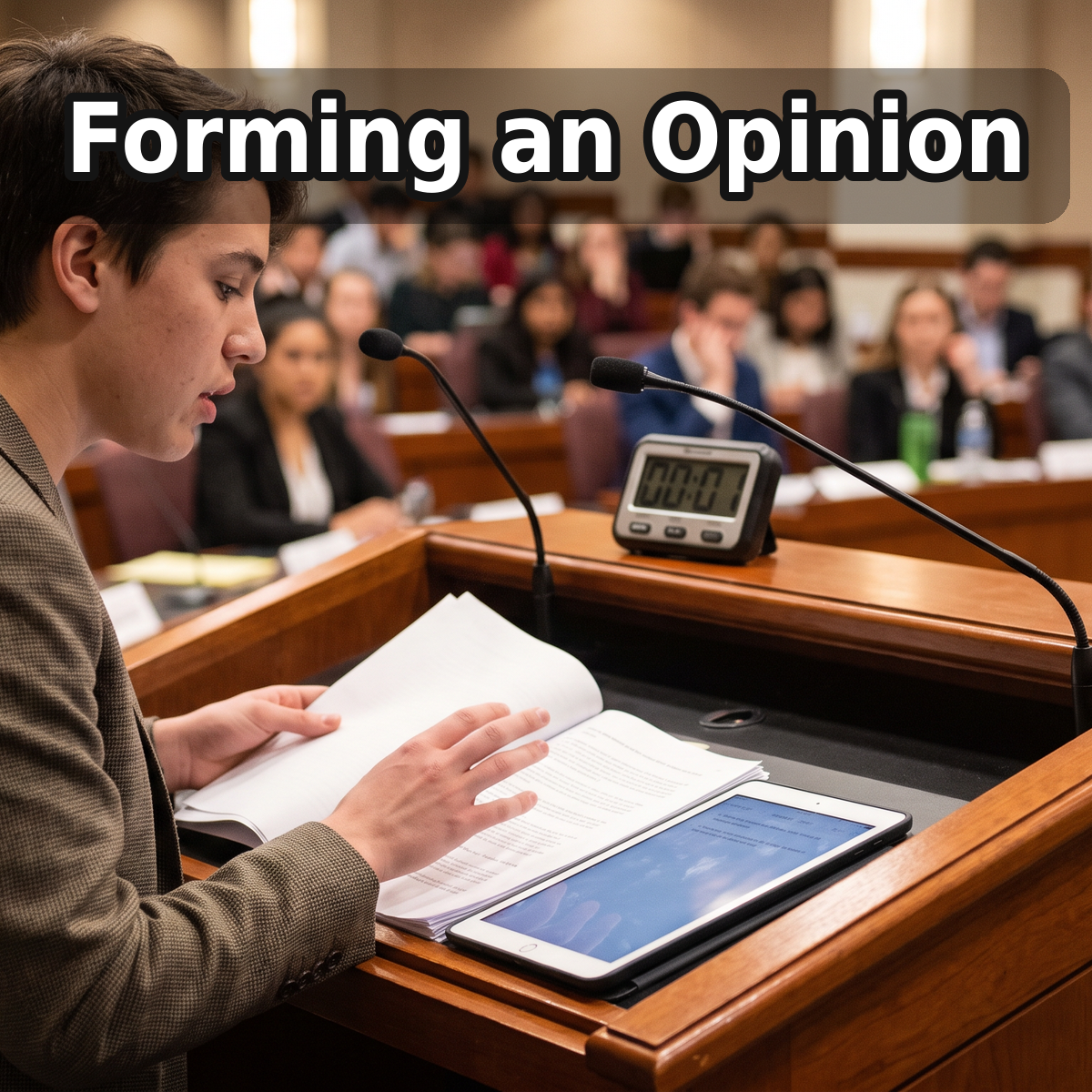
This article explores the process of forming opinions, drawing parallels from debate and legal fields to categorize the strength of an opinion’s foundation. It highlights the difference between strong opinions and strong epistemic foundations, moving from weak bases like intuition and hearsay to robust, evidence-based conclusions that are open to revision.

Read More

Day 341 – Schadenfreude

The article discusses the lack of empathy in social media, where people often humiliate others for attention. It introduces the German word “Schadenfreude” to describe the joy derived from another’s misfortune, suggesting that understanding this concept can help people pause before posting cruel content.

Read More

Day 340 – Beware the Expertise Discount

The ‘expertise discount’ causes experts to undervalue their easy-to-perform skills, believing them too simple for others to pay for. This often leads them to overcomplicate solutions, while competitors profit from simpler offerings. Recognizing this bias can help experts identify commercially underestimated skills.

Read More
0
Would love your thoughts, please comment.x
()
x