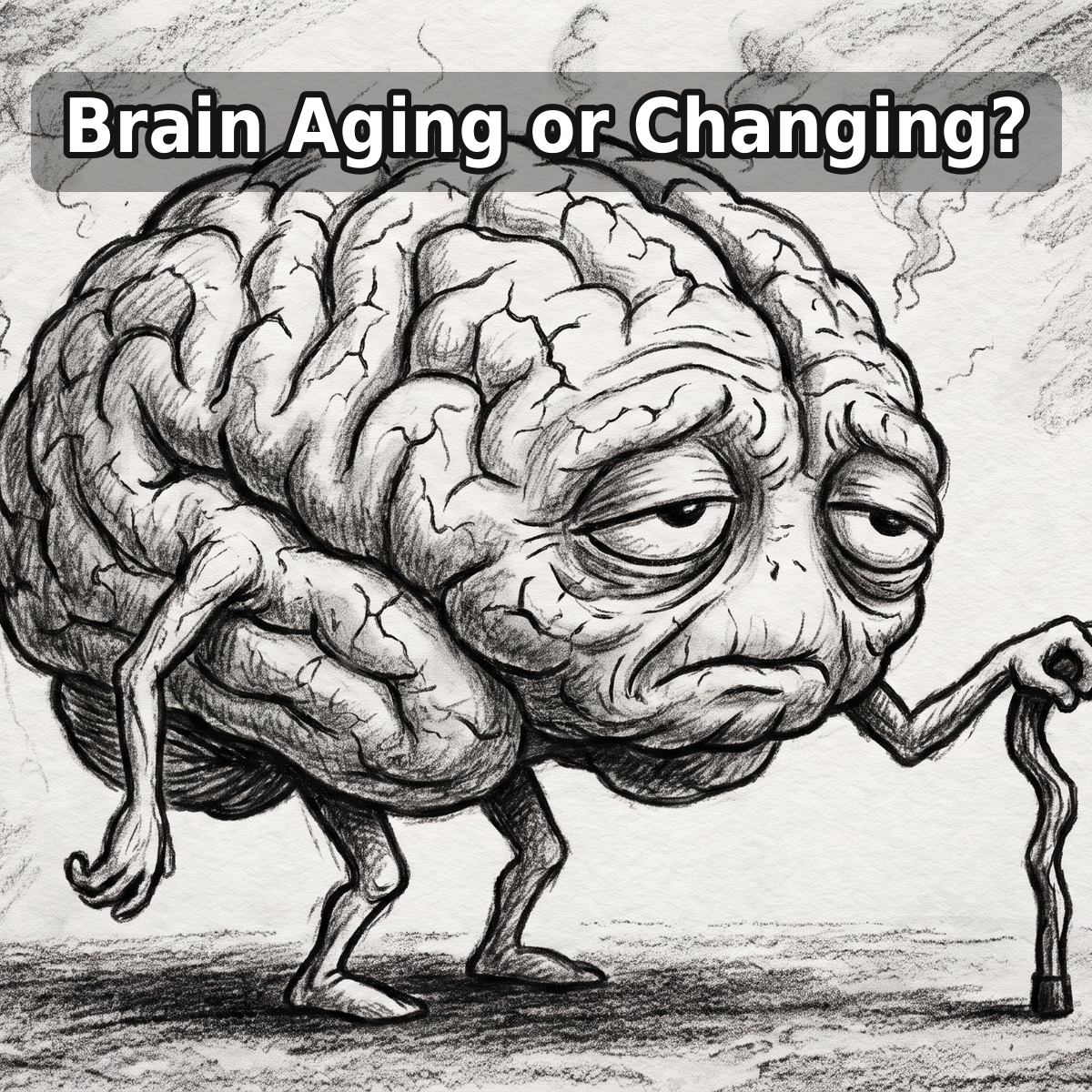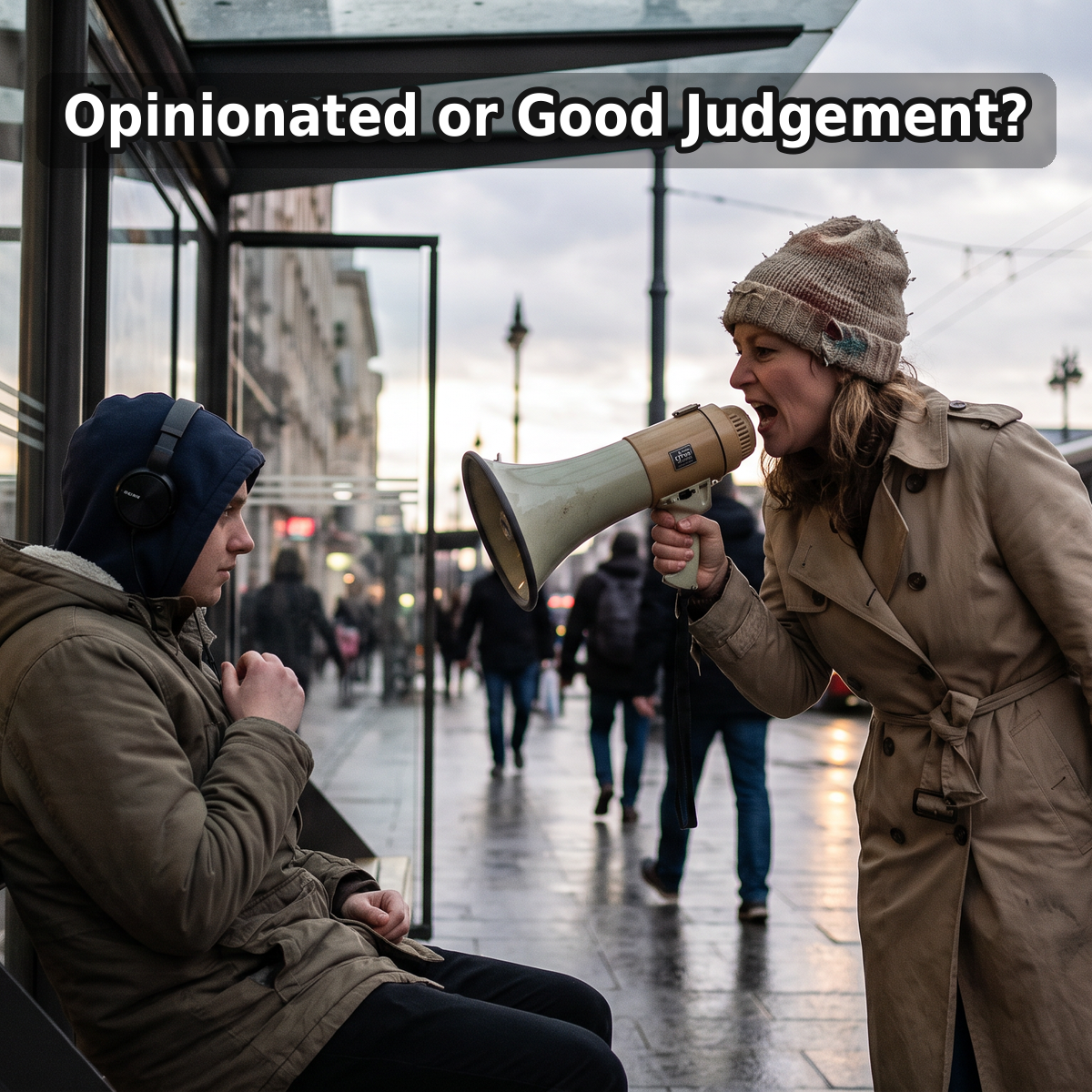
I think we should teach young people more descriptive emotional vocabulary. Making fun of someone at that person’s expense seems to be a byproduct of social media enthusiasm. To garner attention, people are constantly on patrol, looking for something they can capture and post to their account. This is especially true in the younger population that has stars in their eyes regarding the "creator economy." In many cases, this has led to a considerable lack of empathy that involves the humiliation of another person.
If a person were to take a step back before posting something that shows the humiliation of another and ask themselves this question, I think there would be less of this.
Would the joke still be funny if the person being joked about were standing comfortably in the group laughing too?
The problem is that we do not pause long enough to think this through. When I was younger, a leader taught me about the concept of "punching down" versus "punching up." If a leader punches down on another person, that action carries far more moral weight than a subordinate making fun of their leadership.
The English language does not feel like it has kept up with the rapidly evolving moral challenges that we face when interacting with so many people through modern communication modalities. In our language today, we might say, “If it is at someone else’s expense, it isn’t funny.” However, this does not quite capture the concept correctly. We have to add much more to this concept to derive the correct interpretation.
Perhaps more accurately, the best humor makes the subject of the joke feel included in the laughter. Cruel humor requires someone to pay for everyone else’s amusement. This is the aspect that is lost on people who brazenly post humiliation as a way to get more views and likes.
The German language is interesting. Although of ancient origin, there is a mechanism in the language that allows for the construction of new words on the fly. This is through the compounding of words. The classic example of this is Volkswagen. Volk means people or a nation, and Wagen means car or wagon. The language even has connectors, or linking elements that blend these words together. In this case, the s follows volk. So this leads me to a highly descriptive word that explains this concept of public ridicule at another’s expense better than the English language can.
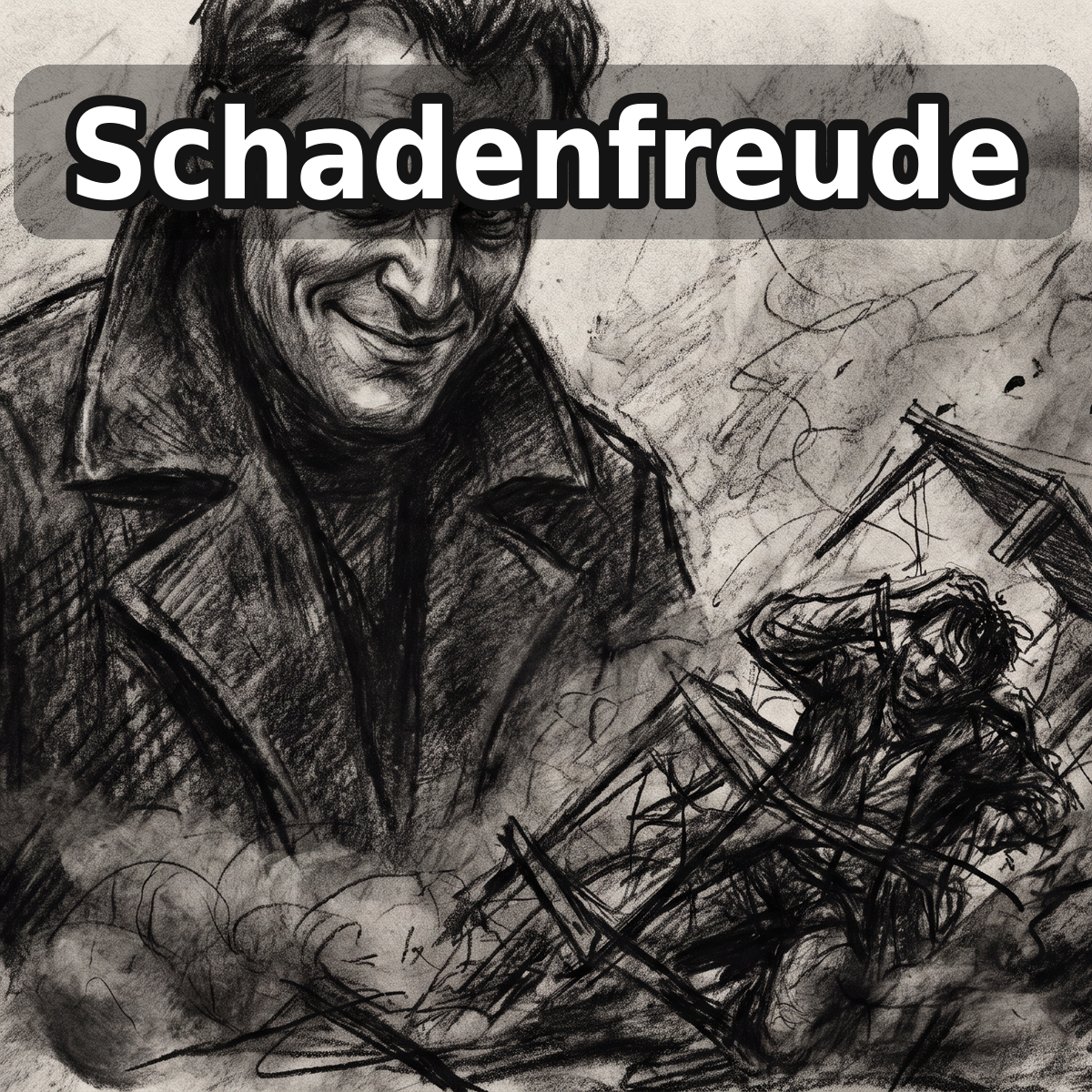
Schadenfreude
This word is another compound. Schaden refers to harm or damage, and Freude means joy. So this word literally invokes the idea of having joy at another person’s harm. It captures the notion perfectly in a single word. It does not necessarily mean you are cruel. Schadenfreude can be relatively harmless, like enjoying watching an arrogant rival lose a game. It becomes darker when the other person’s suffering itself is what makes the experience pleasurable.
Germans did not invent this emotion, but they have labeled it well. I remember this word being used in context when I was younger, and it certainly has a negative moral implication. Using another person’s misfortune to bring yourself joy. Maybe we should bring it back?