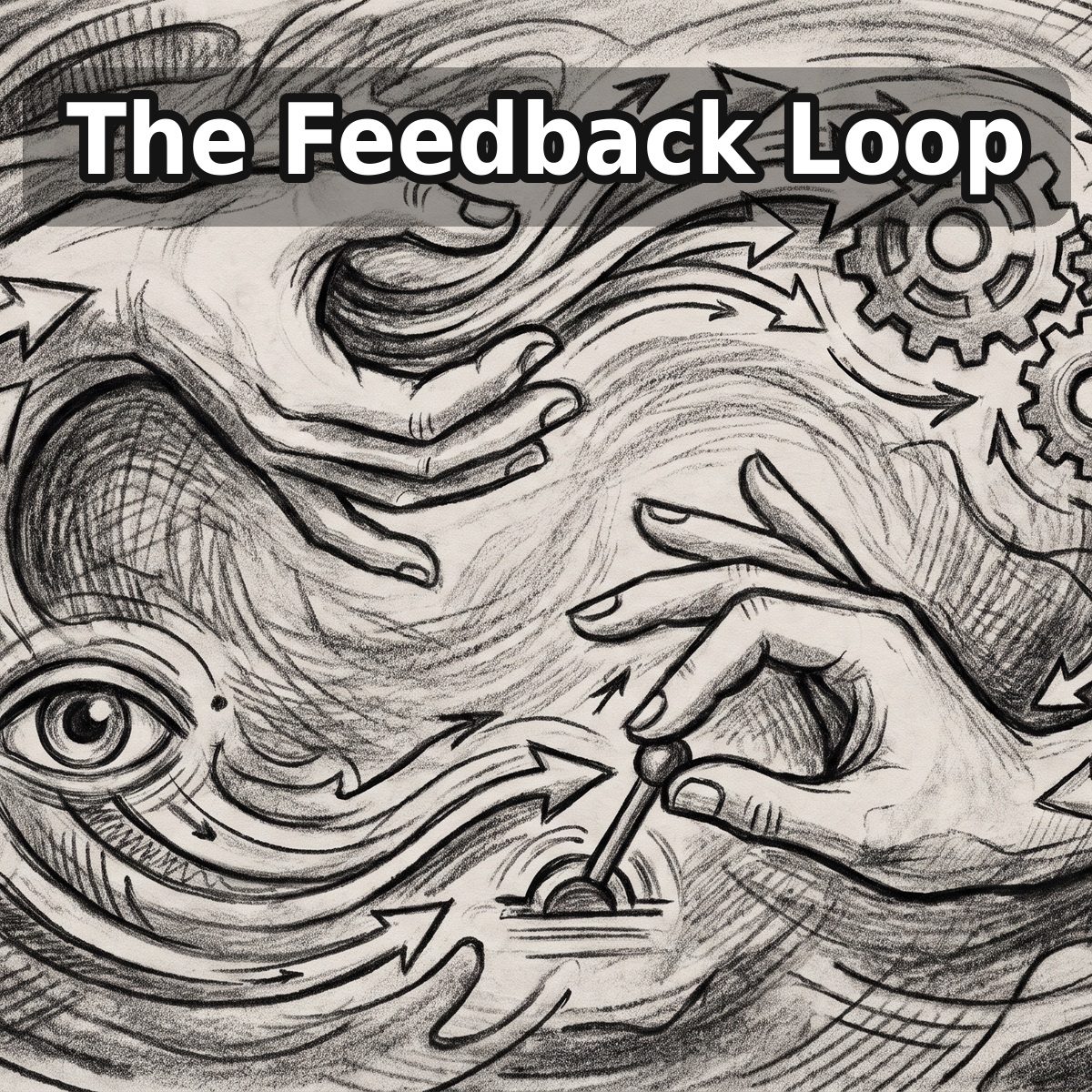
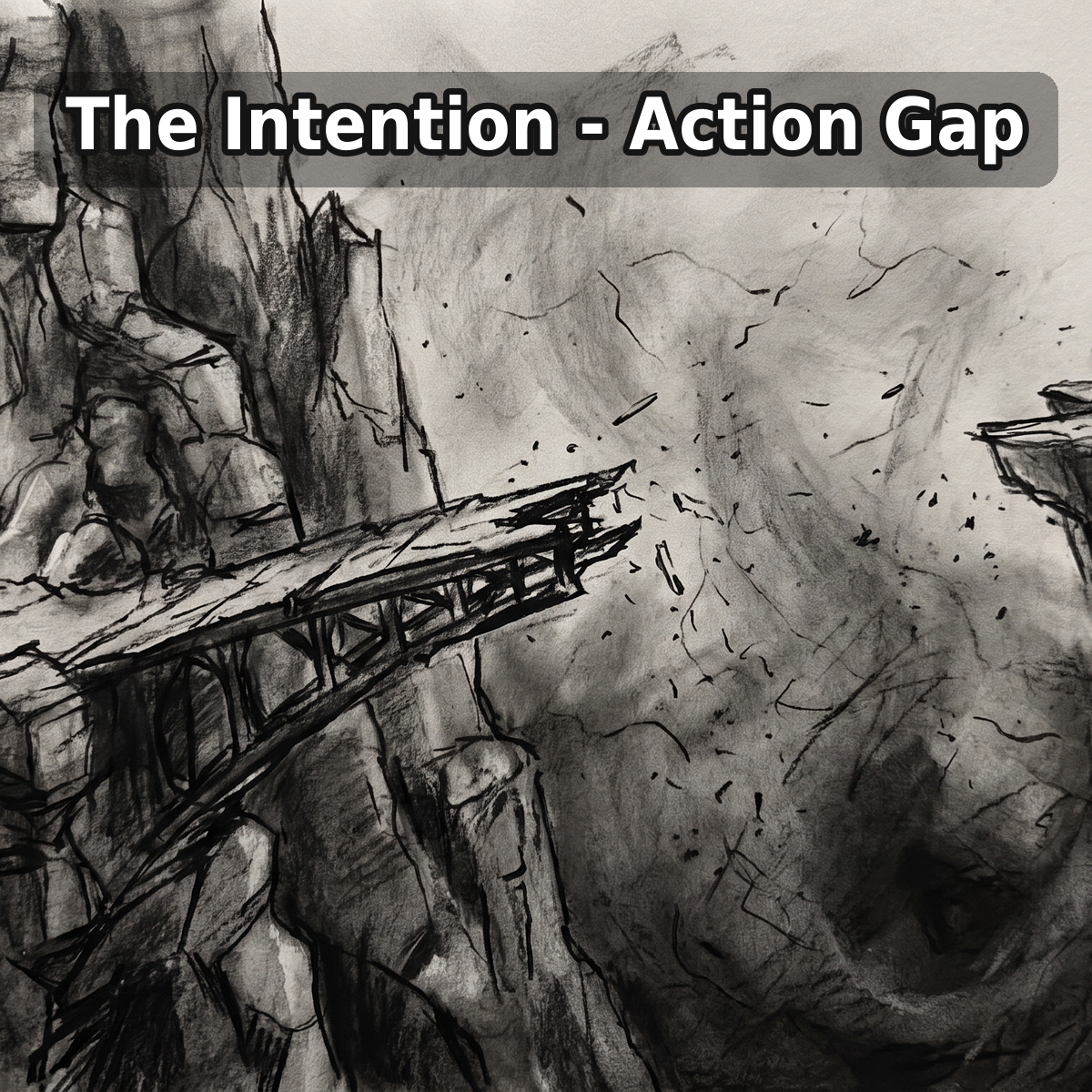
Sometimes you just got to talk things out. Can you? Are you willing to accept that you are potentially wrong or not thinking right? Are you willing to accept that the other party has a point of view that is legitimate? I notice that we spend a lot of time and energy avoiding conversations, and / or dancing around issues that are unresolved. My wife taught me this. For years I was annoyed because she would see the obvious thing that was not stated clearly and agreed upon and drag it out into the open for clarification. I would always cringe at this and would find it annoying, however, as I have gotten older I realized that I was the one that was being annoying. There is nothing wrong with calling out the elephant in the room, in fact it is rather healthy.
So someone like me is ill equipped to have the tough conversation, because I have spent a lot of time in my life avoiding it. There is a lot you can learn by spending time really researching how to have effective interpersonal conversations. I learned a good one today.
The concept is to set the ground rules of the conversation before the tough talk begins. First establish that this is going to be a tough conversation. You might say, I think we need to talk about the elephant. We are both going to be emotional about this. We are probably not going to agree. However, I think we both would like a resolution, so do you want to first talk about the ground rules for this discussion first? That is an interesting way to start the conversation because it is disarming. It also sets you up to have success early on. Most people can agree to some basic premises. You might try rules like – 1. We will not talk over each other. We will let each other finish before we start talking. 2. We will only talk for an hour, if we cannot resolve our differences in 1 hour then we reschedule for another time. In fact, you might want to consider when to talk next BEFORE you start talking about the Elephant. 3. When we find something we agree with, we will write it down so we can remember what we actually do agree on. 4. We both accept that we will have to come up with a compromise. This means for us to agree, with both admit before the conversation starts that we will have to give up something.
Anyway, I also learned a few other things. However, the amount of time we spend talking to other people, perhaps it would be healthy and wise to invest in some interpersonal communication skills!
Guy Reams