Take for Granted Journal

The gratitude journal is all the rage these days. Everyone talks about writing down what you are grateful for everyday. I have tried this off and on, with some success. However, what it really is, is a what I take for granted journal. Blessings and bounty in my life that I just accept without really noticing how lucky, blessed I am to have them.

My health, my financial well being, my loved ones, my talents the list goes on and on. When something gets taken away from you, that is when you really notice this. It comes with a sudden shock how fragile and desperate our lives sometimes really are.

All the more reason to worship each day and celebrate life every chance you get.

Guy Reams
Subscribe
Notify of
guest
0 Comments
Inline Feedbacks
View all comments
Share the Post:

Recent Blogs

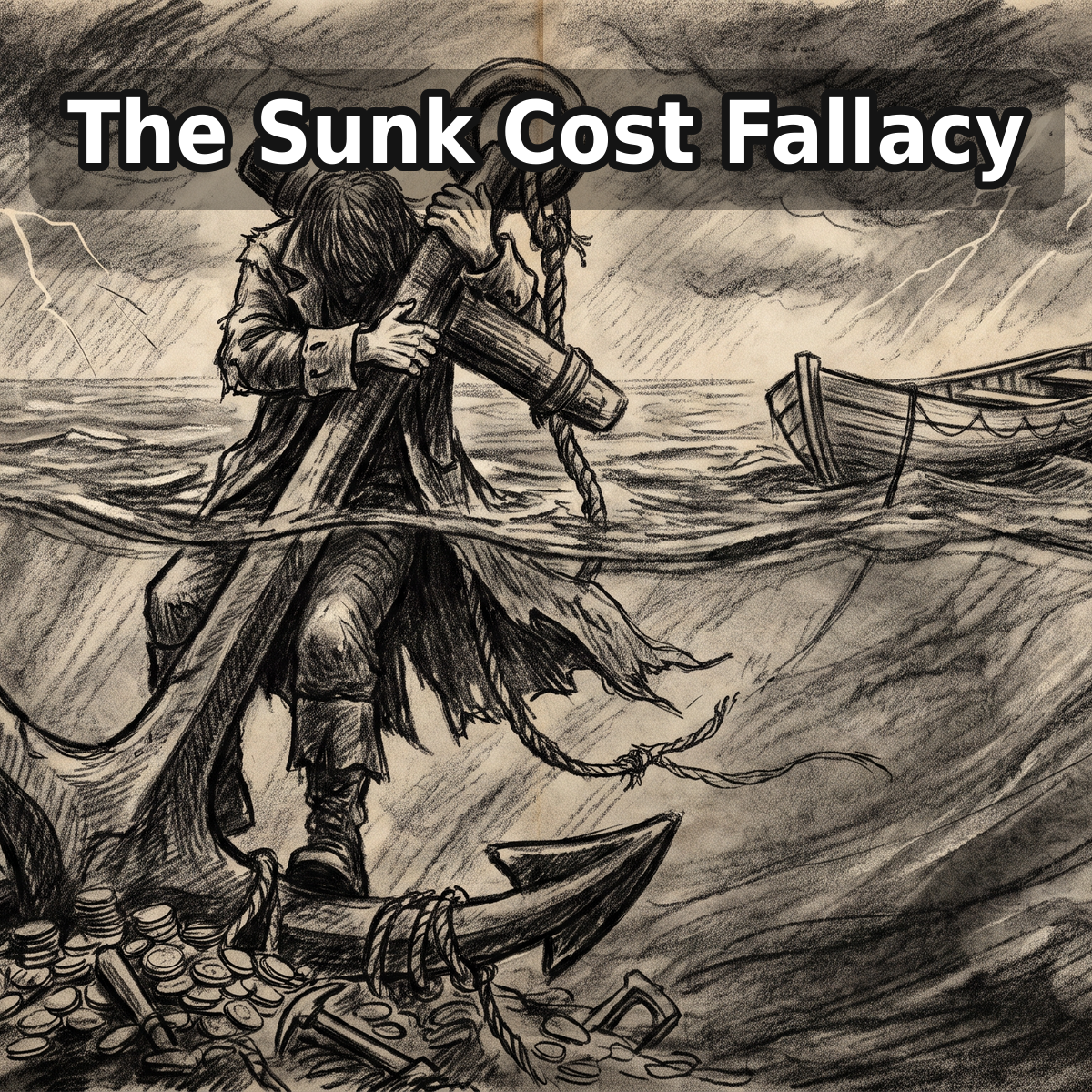
Day 3,225 – The Sunk Cost Fallacy

The sunk cost fallacy describes the tendency to continue investing in a losing proposition because of past investments that cannot be recovered. This often leads to greater losses and regret. The key is to evaluate if future rewards justify additional investment, or if it’s better to cut losses.

Read More

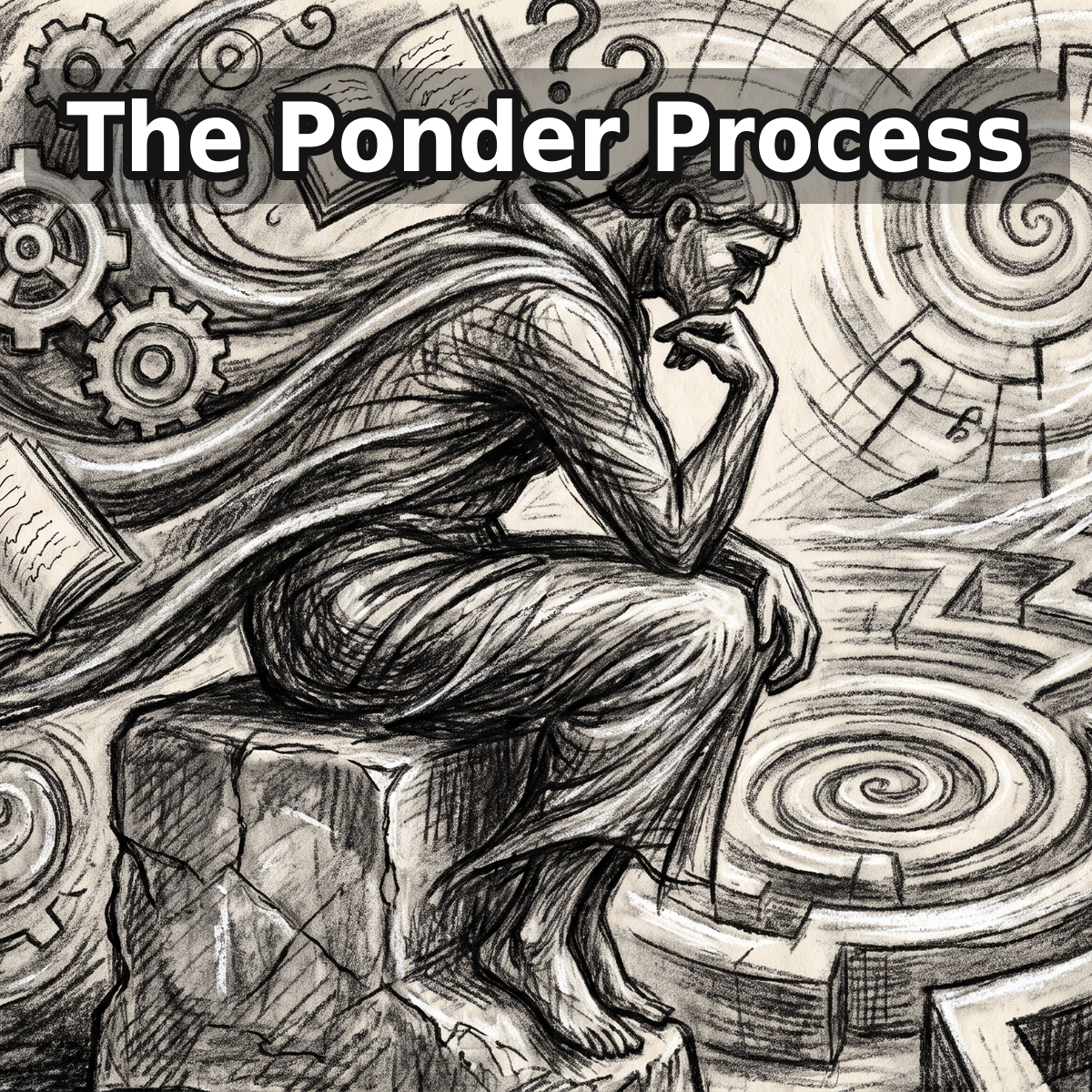
Day 3,224 – The Ponder Process

This article introduces a structured approach to pondering, moving beyond aimless thought to achieve clarity and actionable insights. It outlines a five-step process: defining the specific question, distinguishing facts from assumptions, identifying areas of influence, exploring multiple solutions, and concluding with a concrete action or a plan to revisit the issue.

Read More

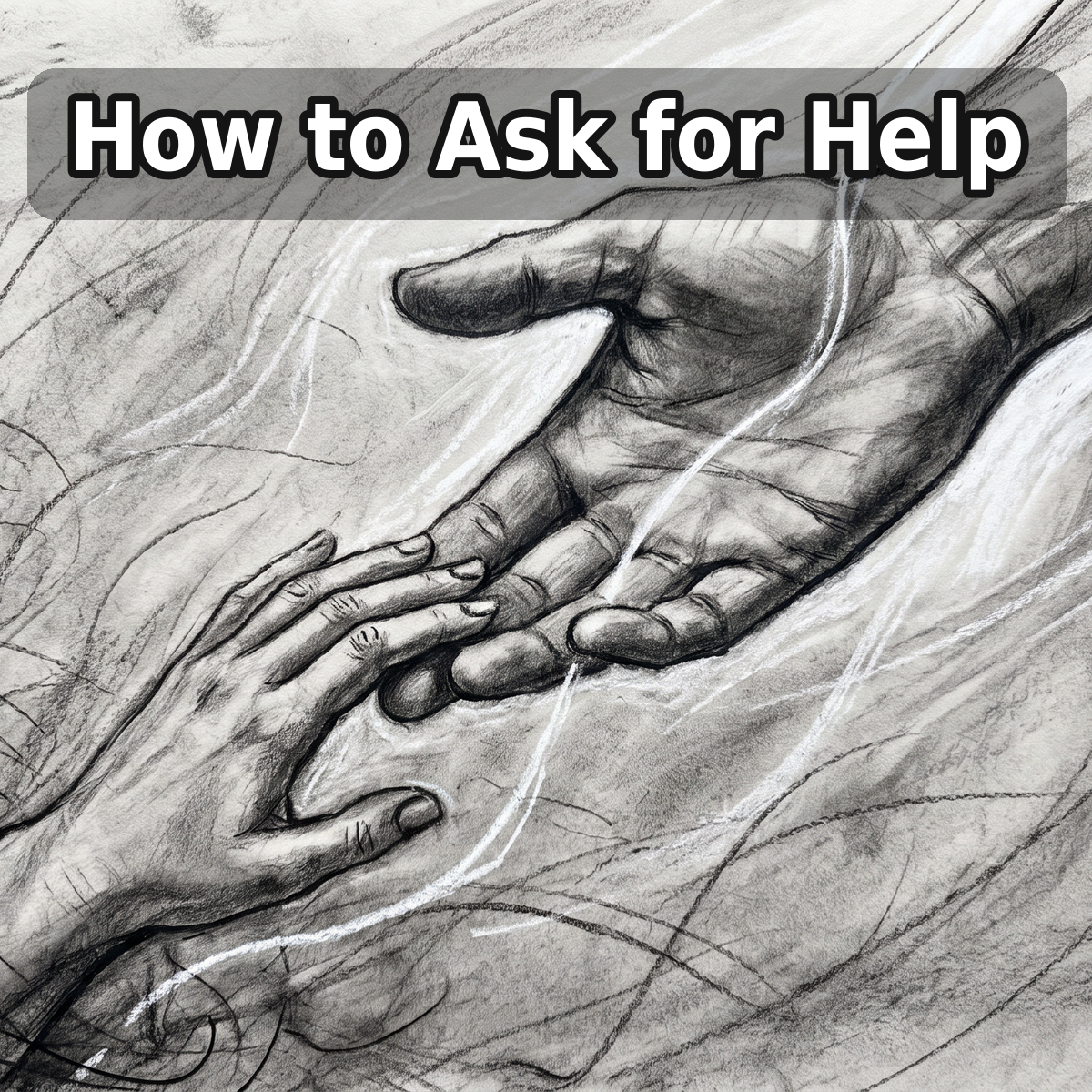
Day 3,223 – How to Ask for Help

This article explores the journey of overcoming a lifelong habit of pretending to know everything. The author shares personal insights on learning to ask for help, detailing a three-step process: admitting “I don’t know,” being specific about needs, and accepting assistance. Ultimately, the piece highlights how asking for help can strengthen relationships and foster genuine connection.

Read More

Day 3,222 – Get Uncomfortable

Productive meetings often involve discomfort, as they are meant to resolve conflicts and challenge assumptions. Avoiding uncomfortable conversations can hinder improvement and problem-solving, suggesting that embracing discomfort can lead to more effective outcomes.

Read More
0
Would love your thoughts, please comment.x
()
x