Some times you gain clarity on the definition of a concept that is so simple, you are amazed that you never saw it before. A good example of that is when I figured out that the difference between faith and belief is action. Another example is the definition of maturity which I now describe as the ability to say no.

In a training class today I learned another one. The two extremes of behavior can be extreme confidence, or arrogance and extreme cowardice or insecurity. The mid point between these two extremes is ideal. Solid confidence, but some ability to admit that you do not have it all figured out. You remain sufficiently curious and teachable.

This midpoint is called humility. To rephrase simply, the correct mixture of confidence and insecurity is where you find humility. Awareness of your inadequacies, but confident enough to do something about it.

Guy Reams
Subscribe
Notify of
guest
0 Comments
Inline Feedbacks
View all comments
Share the Post:

Recent Blogs

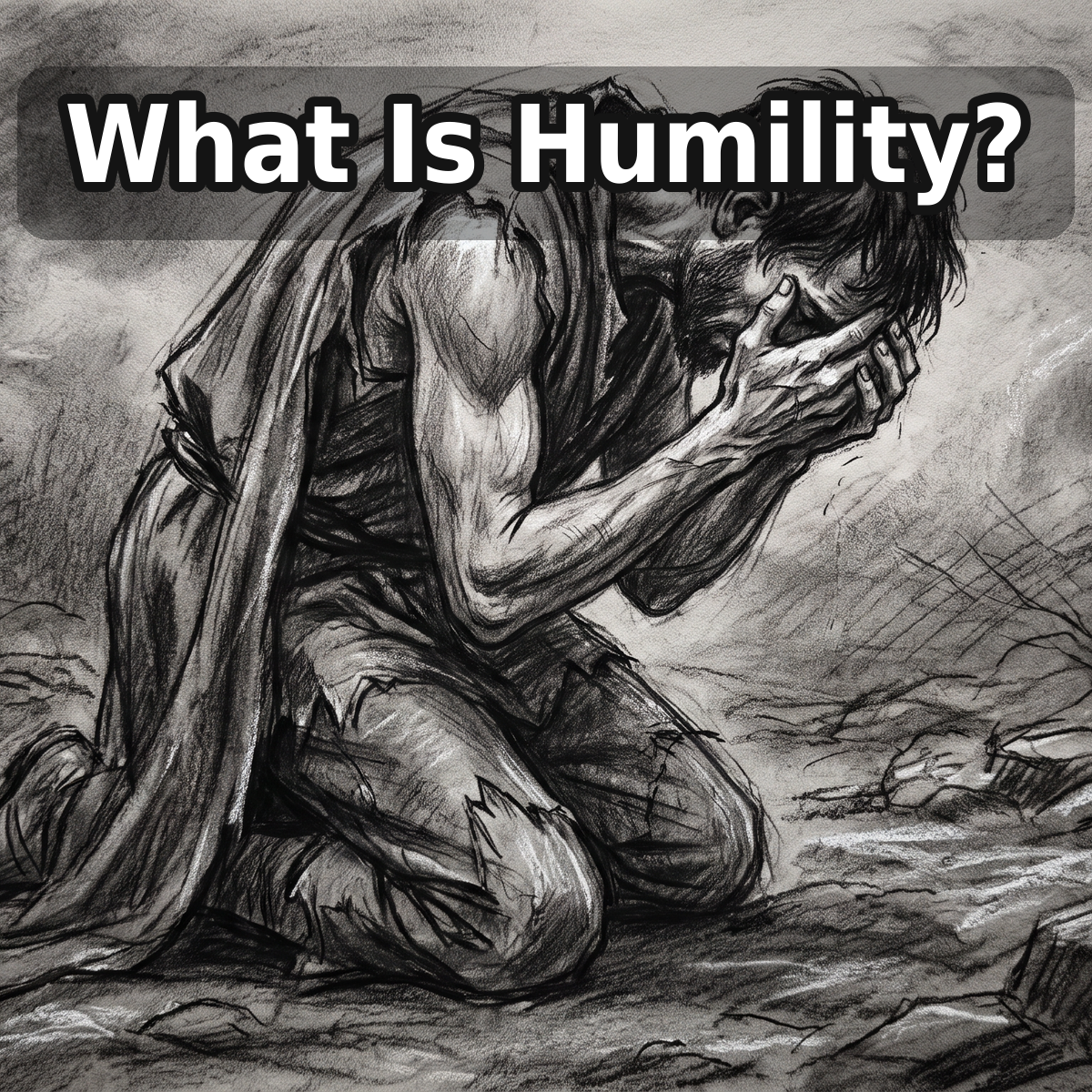
Day 338 – What Is Humility?

Humility is often misunderstood as self-abasement, but it’s actually the ability to accurately perceive oneself, including strengths, weaknesses, and dependence on others. This perspective allows for easier learning, improved judgment, and better interpersonal relationships. Humble leaders foster open communication, and embracing humility can be incredibly freeing.

Read More

Day 337 – Principle Artifact Confusion

The author draws a parallel between the barefoot running craze and the current hype around AI coding tools, highlighting the danger of “Principle–Artifact Confusion.” This occurs when a sophisticated practice is reduced to a product, and the product is then mistaken for the underlying principle that made the original practice successful. The article emphasizes that AI should amplify good fundamentals, not replace them.

Read More

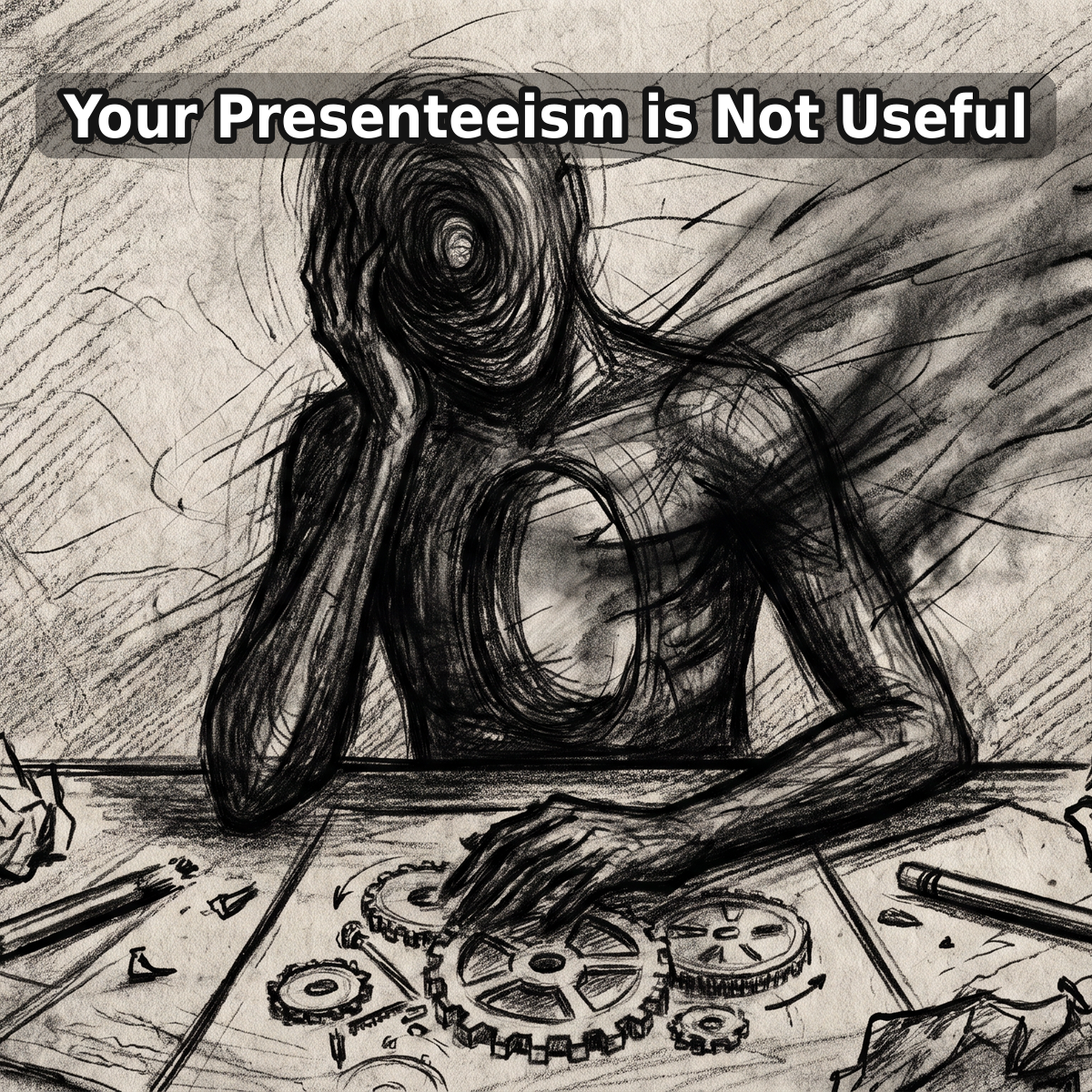
Day 336 – Your Presenteeism is Not Useful

This article challenges the common belief that simply being present at work, even when performing suboptimally, is beneficial. It argues that ‘presenteeism’ can lead to decreased output, increased mistakes, and prolonged recovery, ultimately creating a ‘recovery debt.’ The piece advocates for deliberate rest as an investment in future productivity, emphasizing that true recovery involves activities like sleep, proper nutrition, and disconnecting from work, rather than passive leisure.

Read More

Day 335 – A Life is a Story, Not a Snapshot

This article explores the danger of judging a person’s worth based on their current circumstances, likening it to viewing a life as a snapshot rather than a long trajectory. The author shares a personal anecdote about photographing a homeless man in high school and reflects on how easily we reduce individuals to their present condition. The piece emphasizes that human value is not a snapshot and should not be solely tied to current productivity, advocating for a recognition of a lifetime’s accumulated worth.

Read More
0
Would love your thoughts, please comment.x
()
x