Newton’s Second Law of Motion holds intriguing parallels to our personal endeavors to achieve goals. Whenever we strive to enact change or reverse momentum in our lives, we inevitably encounter resistance. The essence of this article is to highlight the idea that the resistance we face often stems from sources that may elude our immediate recognition.
This premise sets the stage for an insightful exploration into the unseen forces that can impede our progress, drawing a compelling analogy to the physical world where objects in motion encounter friction. Just as a constant force must be applied to overcome physical resistance, a sustained effort is required to push past the barriers to personal growth. The analogy invites us to consider how understanding and addressing these hidden sources of resistance can be crucial in achieving our objectives.
This approach not only enriches our perspective on overcoming obstacles but also underscores the importance of perseverance and strategic action in the pursuit of our goals. By delving into this concept, we can uncover valuable lessons on resilience and the dynamics of change, both in the physical realm and in the quest for personal development.
The foundational equation of this law, F=ma, elucidates that F signifies the net force, which correlates with the mass of the object multiplied by its acceleration. This principle allows us to grasp the concept that to initiate movement in an object, we must exert a force that surpasses the object’s inertia—not only to mobilize its mass but also to alter its course. This elucidates why our initial attempts at any endeavor are notably more challenging, particularly when these efforts are in opposition to our current trajectory.
This understanding underscores the inherent difficulty of initiating change or breaking from established patterns. Just as in the physical world, where overcoming the inertia of a stationary object requires significant force, so too in our lives, initial steps towards change demand considerable effort. This analogy further highlights the nuanced interplay between force, mass, and acceleration, offering a vivid illustration of why beginning a new journey or reversing an unfavorable course can feel so daunting. Recognizing this parallel provides valuable insight into the dynamics of personal growth and the critical importance of persistence in the face of resistance.
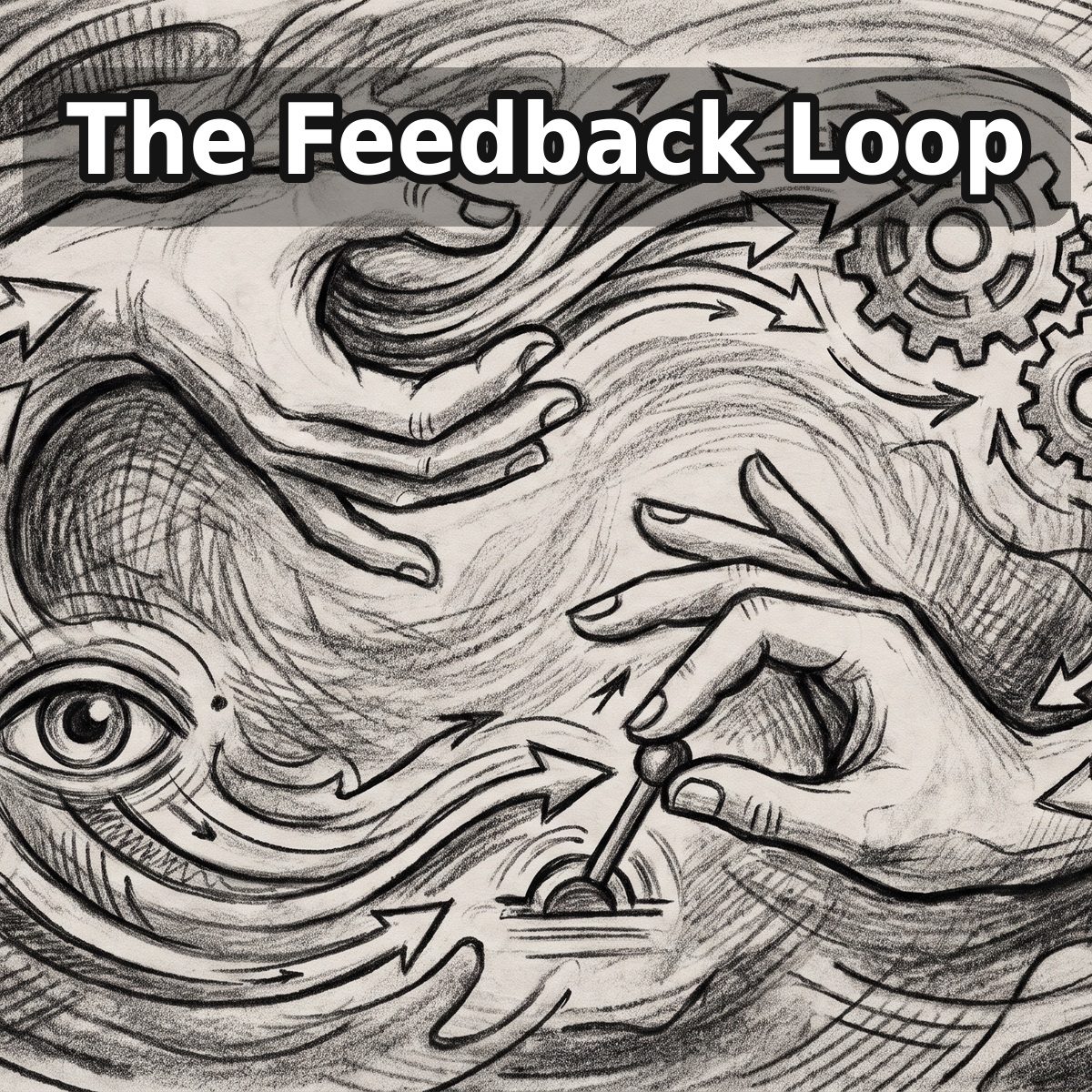
However, the force that counters our will represents just one side of the equation. The critical aspect often overlooked is the concept of NET force. Essentially, the actual force we exert toward an objective equates to our effort diminished by any friction we encounter. In the natural world, this friction may arise from surfaces, wind resistance, or similar phenomena. Yet, in the realm of personal endeavor, friction typically originates from within ourselves. It is our own hesitancy, fear, and other concerns or worries that most significantly reduce our net force.
This realization sheds light on an important truth: we are often our own biggest obstacle. The internal friction we generate through doubt and apprehension acts as a resistive force, impeding our progress towards goals. Recognizing this internal source of resistance is the first step towards overcoming it. By identifying and addressing the internal barriers that we erect, such as fear of failure or reluctance to step out of our comfort zones, we can effectively reduce this friction and increase our net force in pursuit of our objectives.
Understanding that the journey towards personal growth involves not just exerting effort but also minimizing internal resistance offers a more nuanced view of how we can achieve our goals. It highlights the importance of self-awareness and self-management in maximizing our potential and underscores the value of perseverance and resilience in the face of challenges.