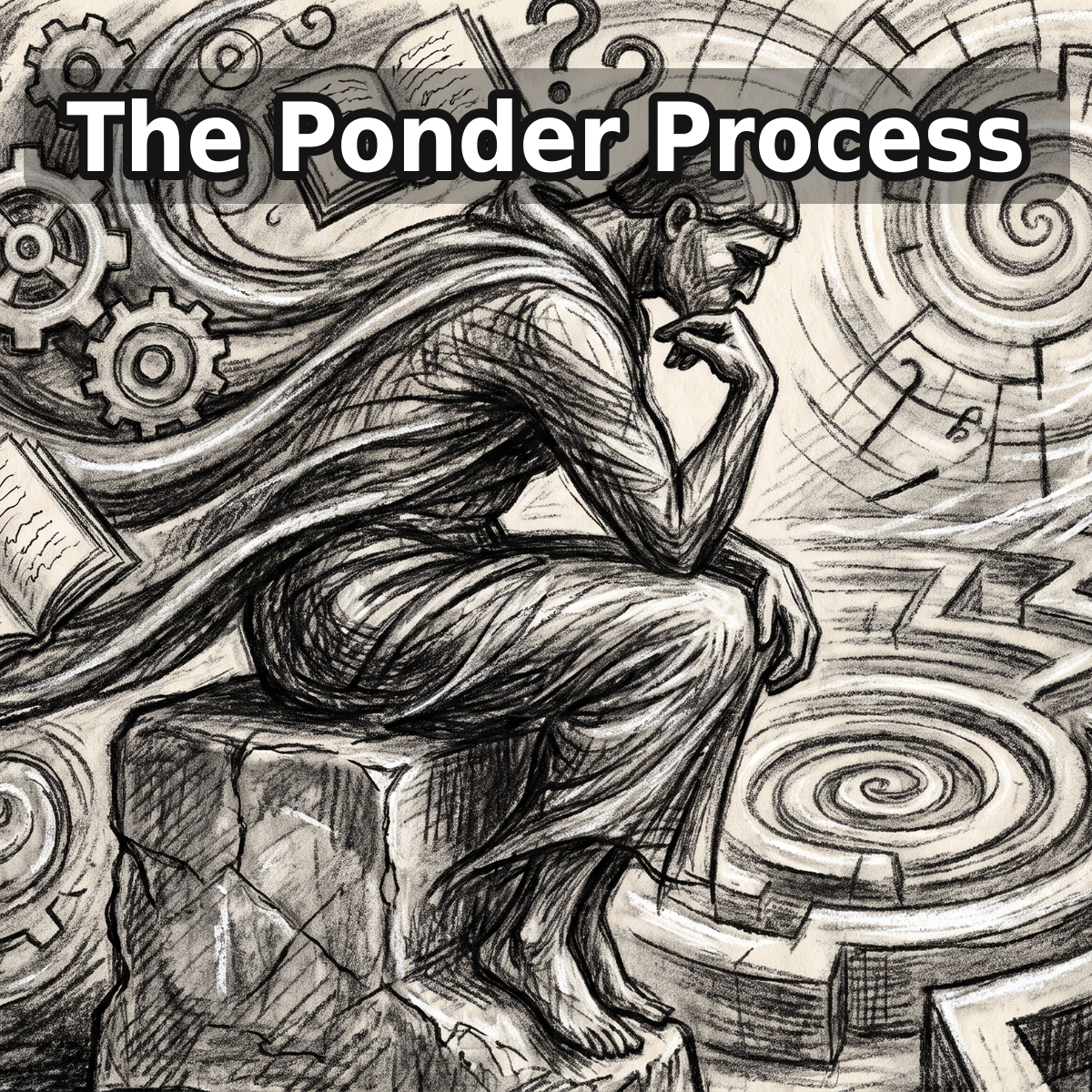
We all have our breaking points. For me, it’s a concept I like to call the “More Than Three” Principle. It’s simple but powerful. I rarely feel overwhelmed if I’m juggling up to three major things. But the minute a fourth stressor enters the mix, that’s when the alarm bells start ringing. That’s when I find myself spiraling into a mindset that tells me everything’s coming undone. My brain starts exaggerating, blowing my to-do list out of proportion, painting this vivid picture of doom and gloom, and suddenly, the pressure feels insurmountable.
I think most of us have been there: we start feeling that sinking sensation, convinced the world’s weight is pressing on our shoulders. We might even find ourselves saying things like, “I’m so overwhelmed,” “I can’t do this,” or “I don’t even know where to start.” The trick is to catch ourselves right there because, let’s be honest, these thoughts are just that—thoughts, not facts. They’re fabrications our minds spin when our stress count tips past three.
Breaking Through the Paralysis
The solution? It’s surprisingly straightforward. If having “more than three” is the tipping point, the fastest way to get back to feeling grounded is to drop back down to three. This doesn’t mean solving all your problems in a moment, but simply removing one item from that mental list. It doesn’t have to be a life-changing move. You don’t need to tackle the hardest, most time-consuming thing. Just pick the easiest item, the one that can be completed the quickest.
Let’s say you’re stressed about a presentation, a family issue, an upcoming project deadline, and, on top of it all, an email you’ve been putting off. That email? Send it. Or that small task that’s been taking up way too much headspace? Knock it out. By accomplishing one thing, just one, you’re immediately scaling back to that magic number of three. It’s incredible how quickly the sense of relief sets in. The paralysis fades, and you’re no longer feeling like you’re treading water in an endless sea of tasks.
Living in Control, One Step at a Time
This “More Than Three” Principle is about recognizing that our capacity has a natural limit and giving ourselves permission to honor it. When we feel overwhelmed, it’s not a sign that we’re failing or can’t handle life. It’s simply a reminder that we’re taking on too much at once. By focusing on one step, one manageable action, we create space for relief, and we regain the ability to keep moving forward.
The next time you feel that anxiety rise, stop and assess. Have you crossed into “more than three” territory? If so, take a breath and tackle one small thing. Shrink that list back down to size, and see how quickly control, perspective, and peace of mind start to return.