
Daily Blog
My commitment to write a daily blog since January 7th, 2018
The Latest Blog
2024
2023
2022
2021
2020
2019
2018

Join the Weekly 365 Newsletter to gain inspiration to make and keep your commitments!
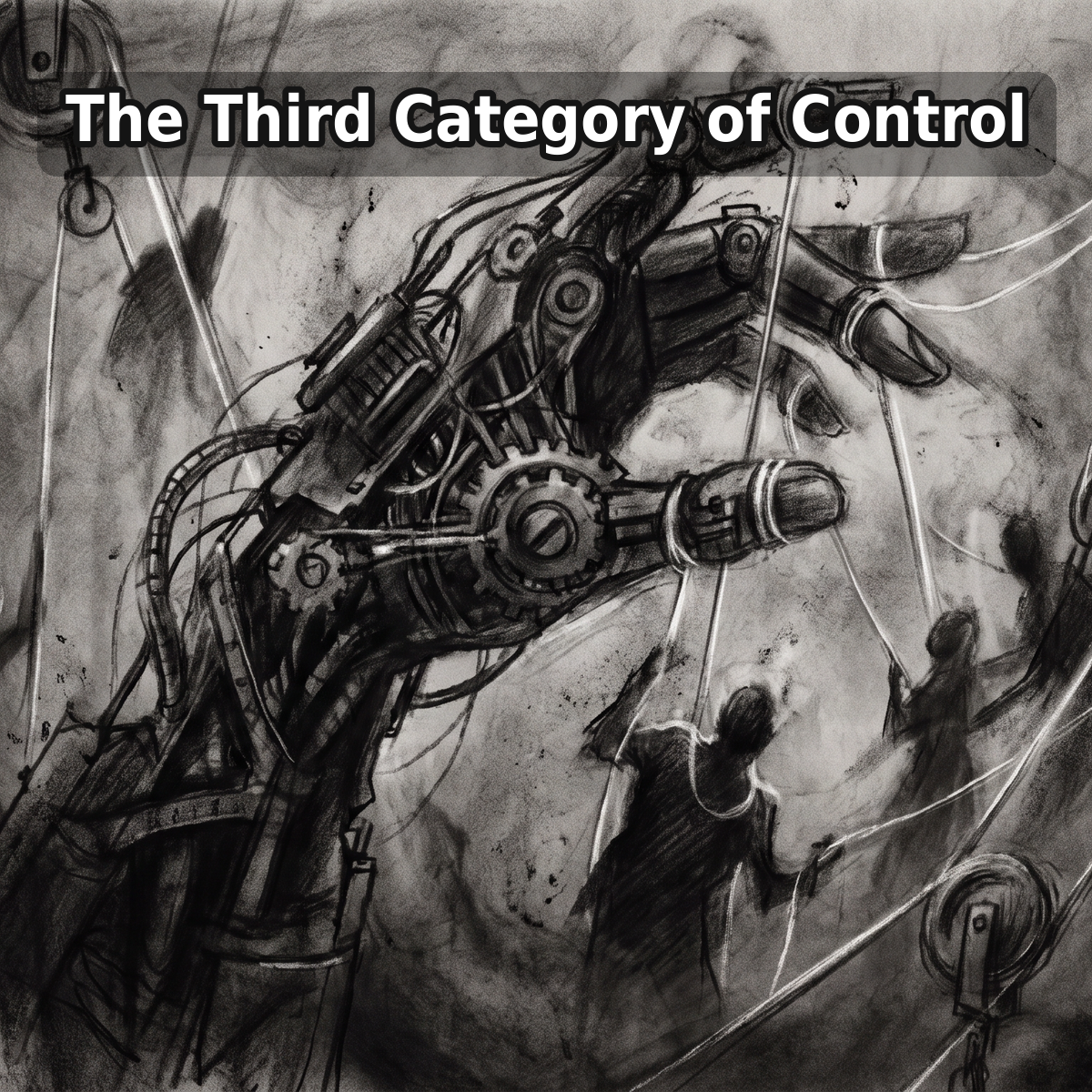
Day 3,208 – The Third Category of Control
This article explores a refined Stoic concept, expanding on Epictetus’s idea of controlling what you can and not worrying about what you can’t. It introduces a third category: what you can influence, which is crucial when desired outcomes depend on others.
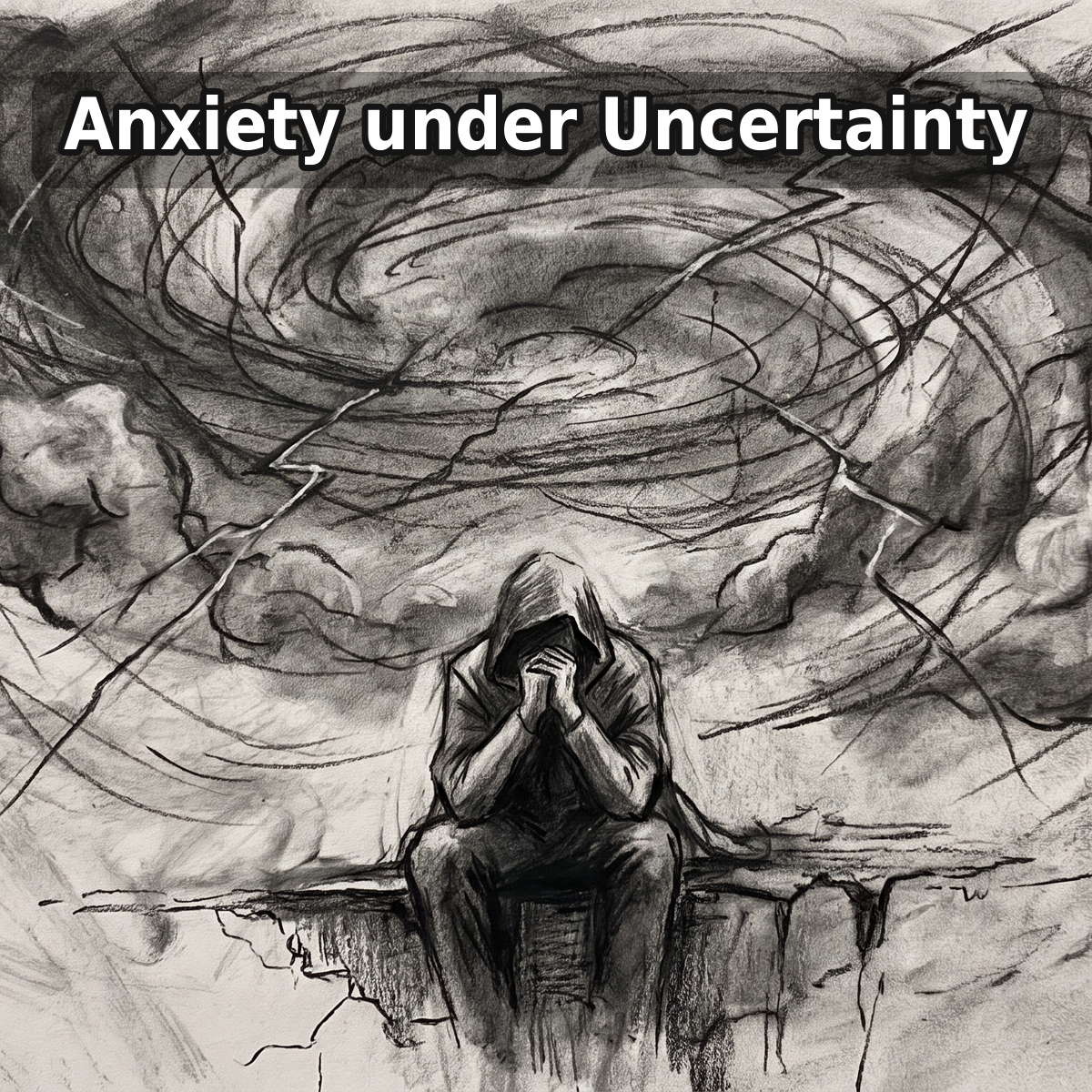
Day 3,207 – Anxiety under Uncertainty
This piece explores the anxiety that arises from uncertainty, explaining how the brain interprets unpredictability as danger and generates negative scenarios. It emphasizes that thinking harder doesn’t always lead to certainty, but often to more anxiety. The key takeaway is to recognize that a thought about a possible future isn’t evidence it will happen, and it’s okay to let things be uncertain.

Day 3,206 – Achievement and Contribution
The author shares two daily questions that help focus on achievement and contribution, leading to a sense of purpose and well-being. This approach, combining personal progress with helping others, serves as an anti-anxiety recipe and a path to living well.

Day 3,205 – Motivation is a Fair Weather Friend
This article emphasizes the importance of building systems that can withstand failure without collapsing entirely. It argues that continuous improvement, rather than striving for a perfect system or constant reinvention, is the key to progress. The author suggests that viewing failures as information for refinement, rather than reasons to give up, fosters an environment where habits can thrive.
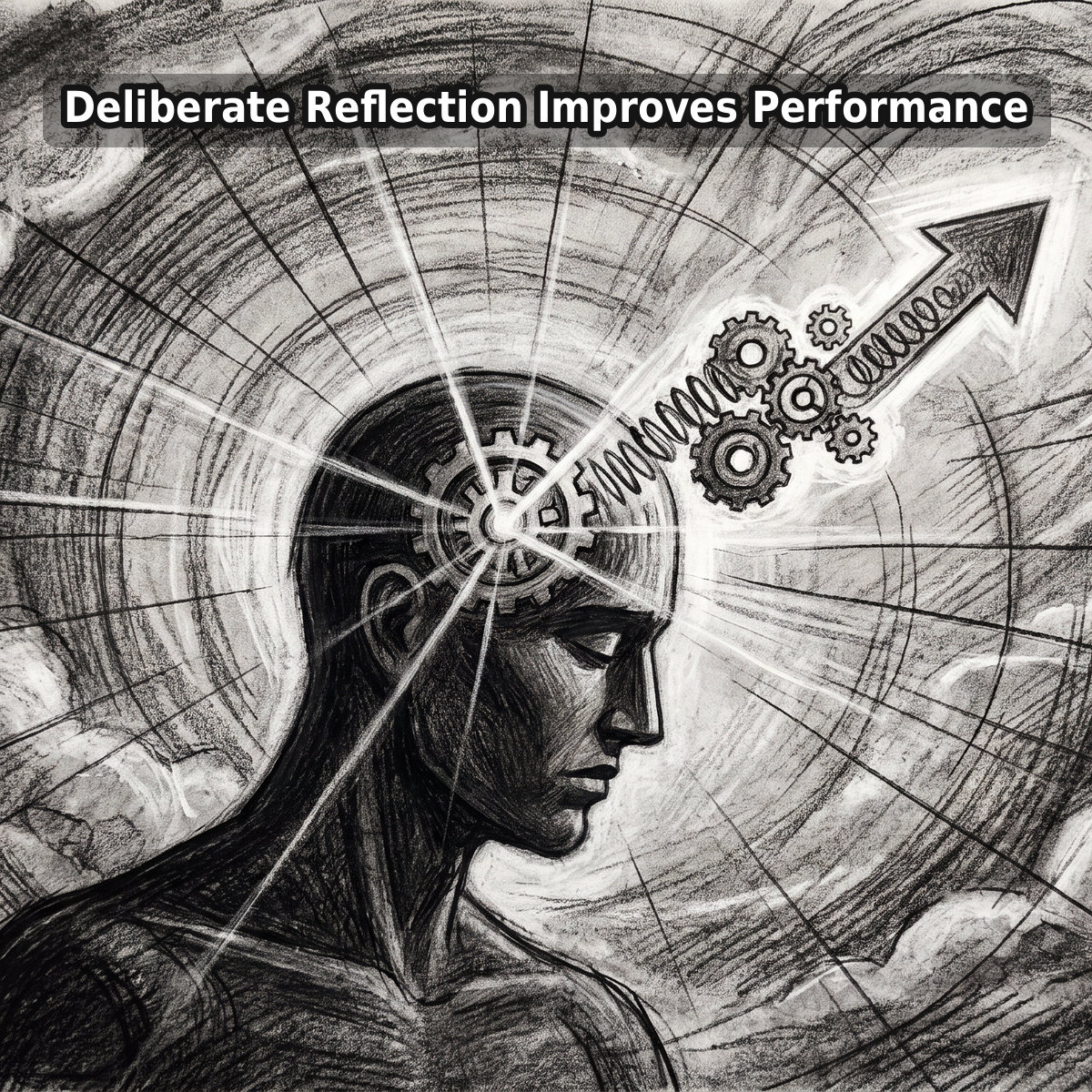
Day 3,204 – Deliberate Reflection Improves Performance
Deliberate reflection is a foundational method for self-improvement, often overlooked despite its proven effectiveness. By reviewing experiences and understanding what went well or wrong, individuals can achieve greater progress than by simply accumulating experience. This practice is crucial for learning from mistakes and making necessary adjustments to achieve goals.
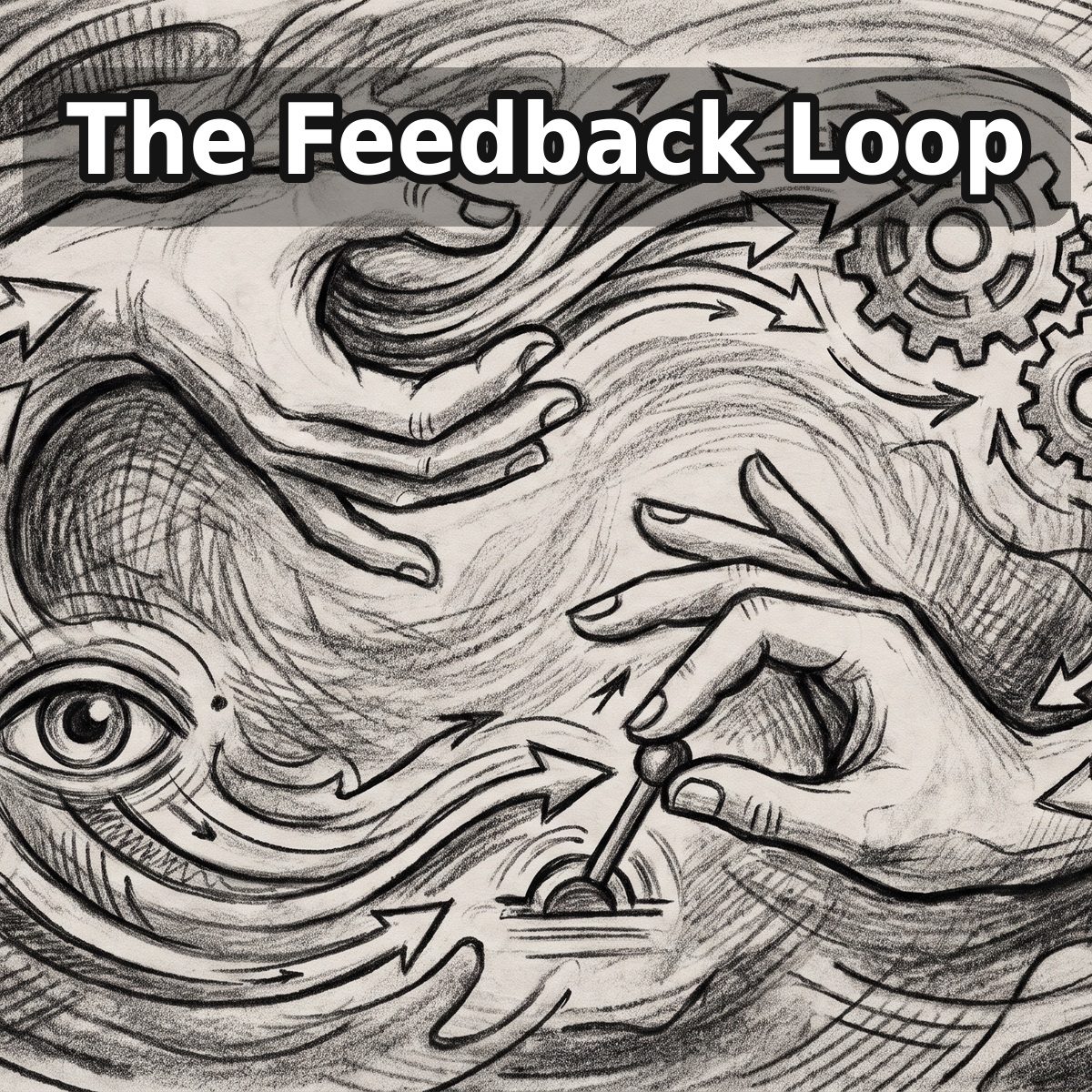
Day 3,203 – The Feedback Loop
This article explores the concept of feedback loops, highlighting their effectiveness in both personal and business contexts. Using a personal anecdote about Weight Watchers and a professional experience with customer satisfaction, the author emphasizes that continuous feedback is crucial for improvement, despite our natural aversion to criticism.

Day 3,202 – Be In Control of Your Attention
This article emphasizes the importance of taking control of your attention by prioritizing your most important task each morning. By doing so, you can better manage distractions and align your daily actions with your long-term goals, ultimately leading to greater productivity and achievement.

Day 3,201 – Get while the getting’s good
This article explores the phrase “Get while the getting’s good” and its relevance to goal setting and accomplishment. It highlights that acting quickly on intentions significantly increases the likelihood of achieving goals, emphasizing the importance of immediate planning and daily action.
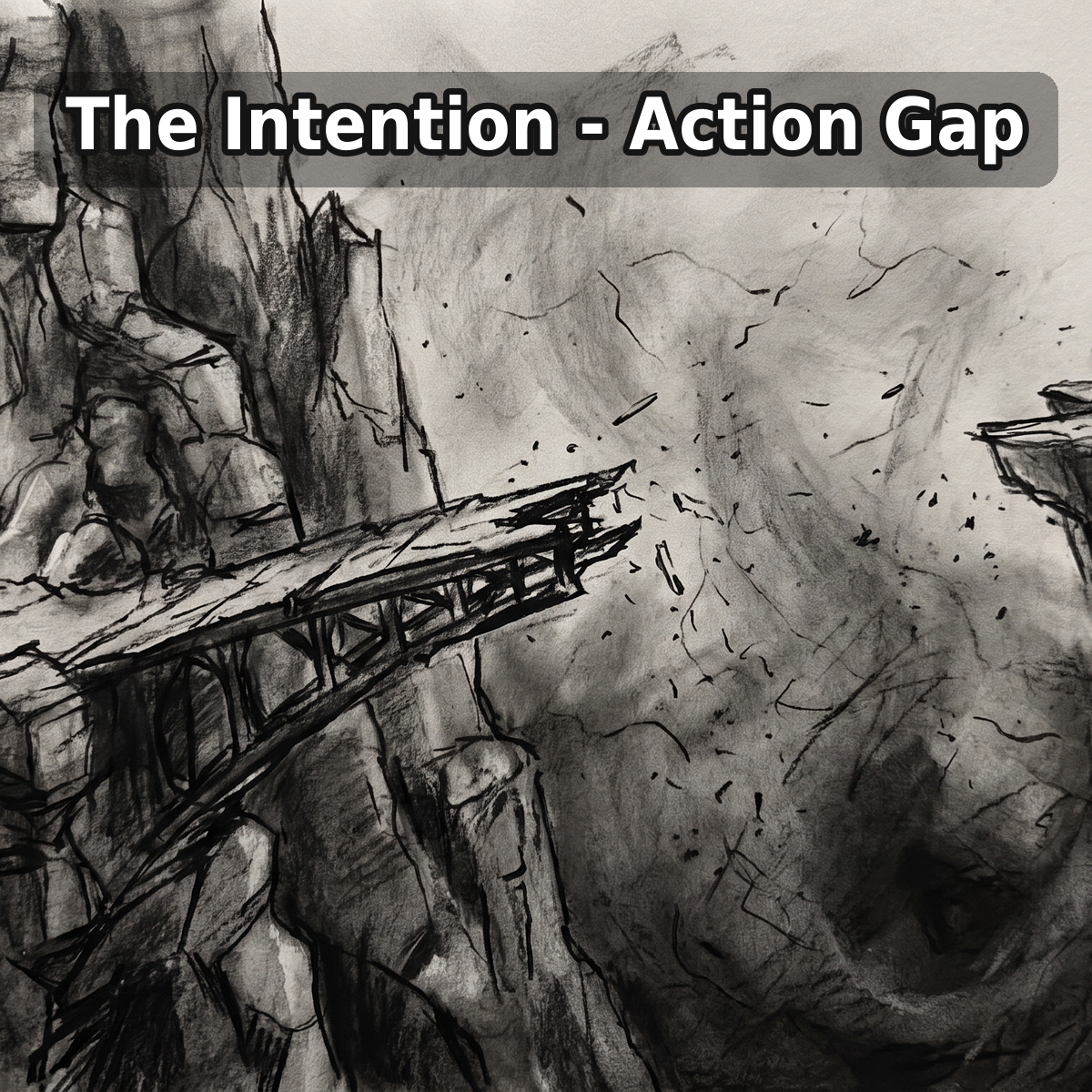
Day 3,200 – The Intention – Action Gap
Many of our aspirations remain unfulfilled because they are abstract and lack concrete steps. To bridge the intention-to-action gap, it’s crucial to define goals clearly by writing them down and then consistently asking what daily actions can be taken to achieve them. This approach transforms vague intentions into focused, persistent effort leading to accomplishment.

Day 3,199 – A New Commitment Starts
The author has decided to change their 365-day blog commitment to a consecutive daily numbering system, making today Day 3,199. They aim to reach 20,000 consecutive posts, which would take them until they are over 100 years old, inspired by their 101-year-old grandmother.
What People Are Saying