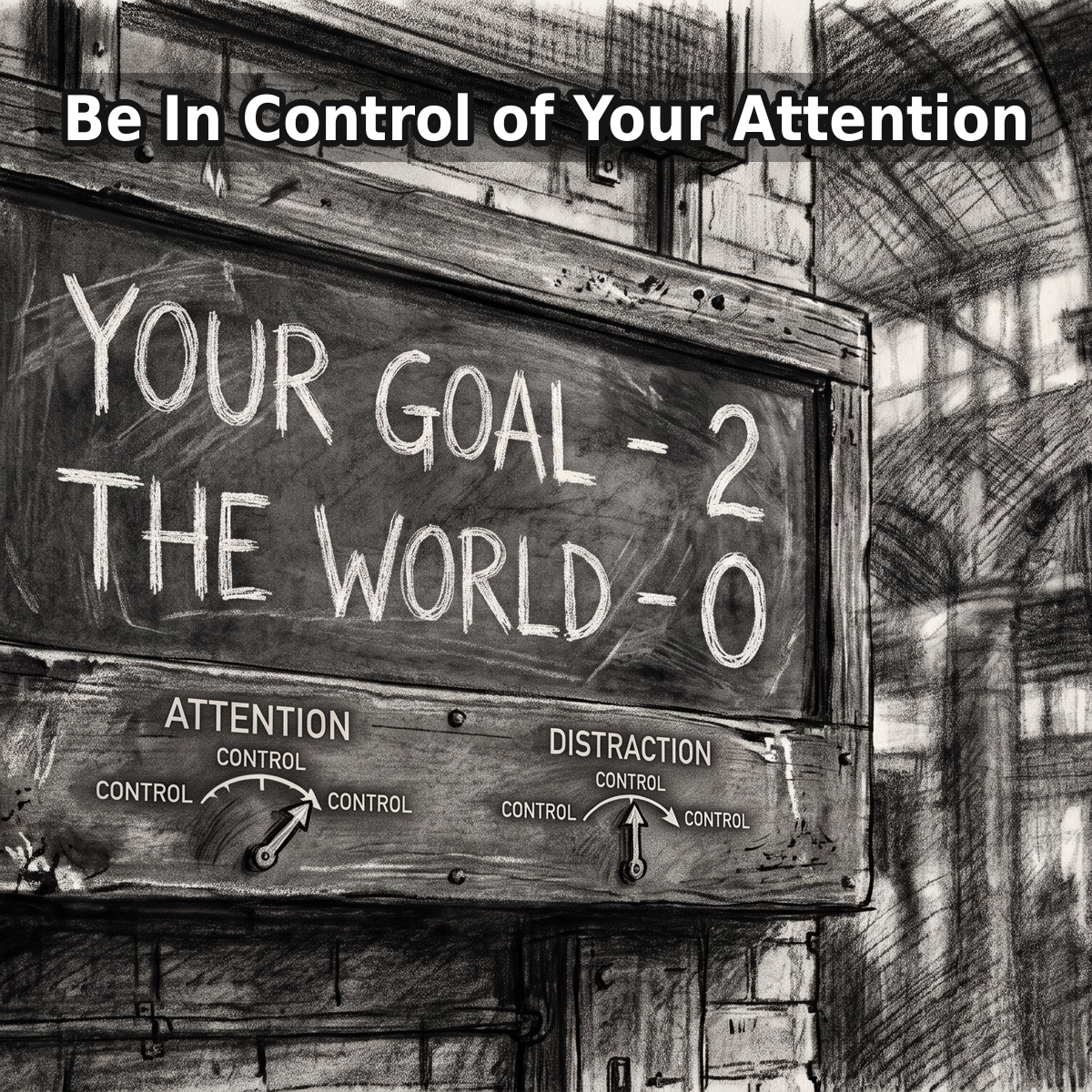
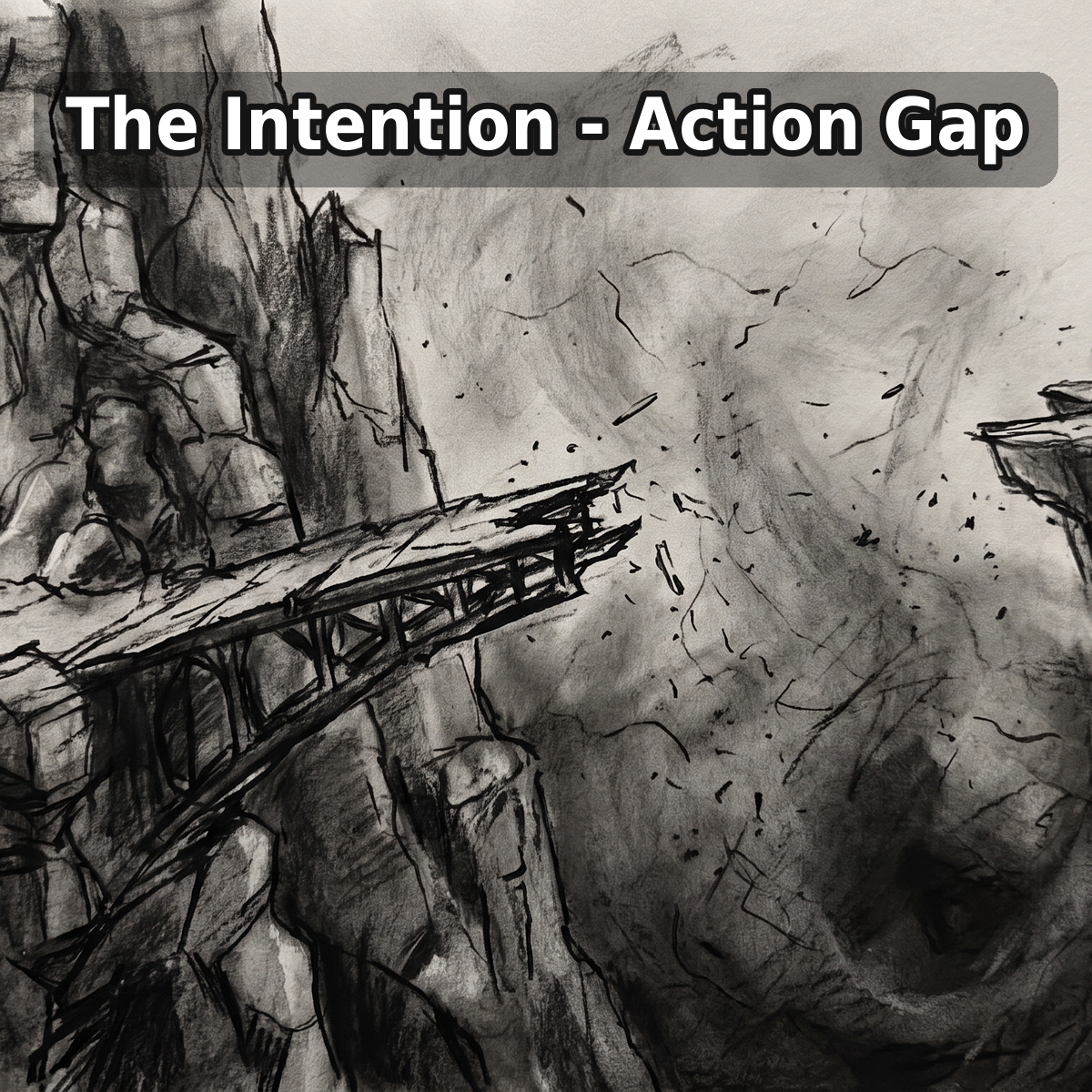
Life has a way of throwing curveballs, doesn’t it? Just when you’ve set your mind to tackle something important, the unexpected can sneak in and derail your plans. A text, an urgent email, a knock at the door—each one seemingly harmless, yet capable of pulling you away from what matters most. In these moments, it becomes clear that staying focused isn’t just about willpower. It’s about preparation. If you don’t anticipate the distractions, you’ll find yourself scrambling to recover your momentum, and often, that recovery feels impossible.
This is where the principle of defense comes in. We’ve all heard the old adage: A good defense is the best offense. It’s a phrase borrowed from sports, where protecting your position is often the key to setting up your next big move. But the wisdom applies far beyond the playing field. In life, your “defense” is your ability to shield your most important routines and commitments from the distractions that would disrupt them.
Building Your Defensive Strategy
The first step in defending against distractions is recognizing where they come from. They often fall into two categories: external distractions—things like notifications, interruptions from others, or a cluttered workspace—and internal distractions, like wandering thoughts, procrastination, or emotional overwhelm. Both are powerful, but both can be mitigated with a little preparation.
1. Identify Your Vulnerabilities
Every commitment has weak spots. Are your mornings derailed by a flood of notifications? Does your evening workout get pushed aside by late work emails? Think through your routine and pinpoint where distractions typically creep in. Awareness is the foundation of a strong defense.
2. Set Up Boundaries
Boundaries are your defensive line. Turn off notifications during focused work sessions. Create physical spaces that are distraction-free zones. If you’re working on a morning routine, let family members or housemates know you’re unavailable during that time. The clearer your boundaries, the less likely it is that distractions will break through.
3. Plan for the Unexpected
Sometimes, distractions aren’t just small annoyances; they’re full-scale disruptions. A last-minute work call. A family emergency. While these can’t always be avoided, having a contingency plan helps. Build flexibility into your routines. For example, if your workout gets interrupted, have a quick 15-minute version ready to go. If your writing time is cut short, keep a notebook handy to jot down ideas for later. Being adaptable doesn’t mean compromising your goals—it means protecting them.
Training the Mind to Resist
No defense is complete without mental preparation. Even with the best external safeguards, internal distractions can sabotage your focus. Here’s where mindfulness comes into play. Train your mind to notice when it’s veering off course and gently bring it back. Simple practices like deep breathing or taking a moment to refocus can make all the difference.
Small Wins Build Momentum
Protecting your routines doesn’t mean striving for perfection. It means setting yourself up for small, consistent victories. Each time you successfully fend off a distraction—whether by silencing your phone, saying no to an unnecessary task, or redirecting your focus—you reinforce the habit of guarding your priorities. Over time, these small wins create momentum, making it easier to stay committed to your goals.
The Payoff
When you guard your routines, you’re not just preventing disruptions. You’re building a life where your energy and focus are channeled into what truly matters. It’s about more than just staying on track—it’s about living with intention. A good defense isn’t just about saying “no” to distractions; it’s about saying “yes” to the life you’re committed to building.
So, as you move forward this week, take a moment to evaluate your defenses. Are they strong enough to protect your most important routines? If not, start small. Implement one change, and watch how it transforms your ability to stay focused. After all, a good defense isn’t just the best offense—it’s the foundation of a fulfilled and purposeful life.