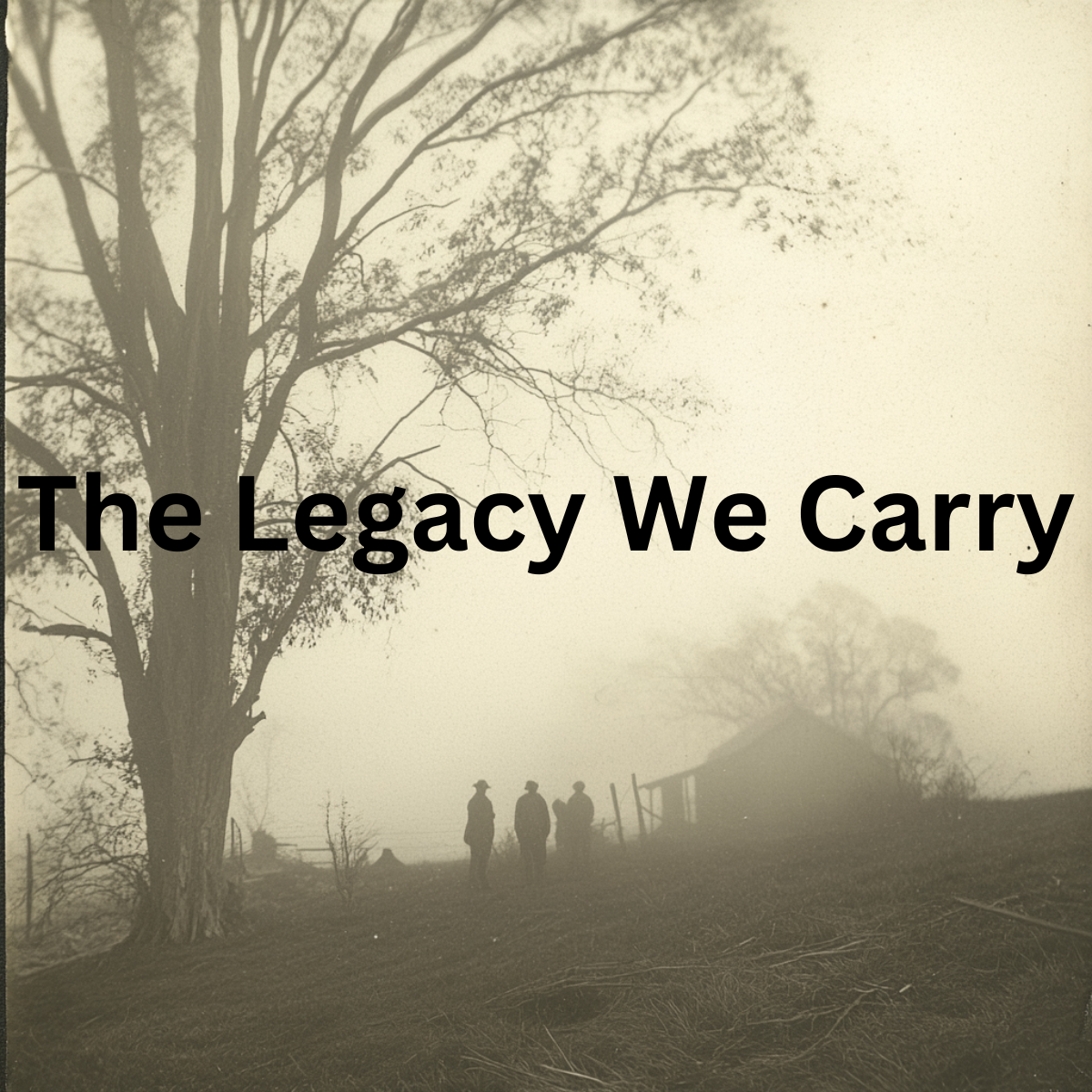
How far back can you trace your family history? For most people, the answer is surprisingly short. A grandparent or two, maybe a great-grandparent, but beyond that, the details fade. Names get lost, faces become unknown, and the stories—the triumphs, the struggles, the lessons—slip away into obscurity.
I believe this is a mistake.
Our ancestors lived real, complicated, and often inspiring lives. They faced hardship, made difficult choices, and carried dreams that shaped the opportunities we have today. And yet, most of us barely know their names.
The Power of Knowing Where We Come From
There’s a deep strength in understanding our origins. The more we know about our family’s past, the better we can guide our future. When we know the sacrifices made by those who came before us, we gain perspective on our own struggles. When we recognize patterns—of resilience, of hard work, of overcoming adversity—we can build on them rather than repeat mistakes or reinvent wisdom that has already been earned.
Generational wisdom is not an accident. It is cultivated through deliberate effort. It is passed down through storytelling, documentation, and a commitment to remembering.
A Personal Commitment: Five Generations of Stories
One of my ambitions in life is to ensure that my children will be able to recount the stories of at least five generations before them—and that they will feel the conviction to pass that knowledge forward. I want them to know the names, see the faces, and understand the ambitions and trials of those who paved the way for them.
Imagine if each of us took this responsibility seriously. If we didn’t let our family history dissolve in the haze of time but instead made it a living, breathing part of our identity. If we wrote down the stories, collected the photos, and shared the lessons learned.
The Value of the Story
Our history is more than a collection of dates and names—it is the foundation upon which we build our lives. When we anchor ourselves in the past, we gain clarity about who we are and what we are meant to do. We see that we are not isolated individuals floating through time, but part of a long and meaningful continuum.
So, I challenge you to ask yourself:
- How far back can you trace your family?
- Do you know their names?
- Do you have their pictures?
- Do you know what they aspired to?
- Do you know what challenges they faced and how they overcame them?
And most importantly—what are you doing to make sure that knowledge doesn’t end with you?
Let’s be intentional about preserving our family stories. Not just for nostalgia, but for wisdom, identity, and the generations yet to come.