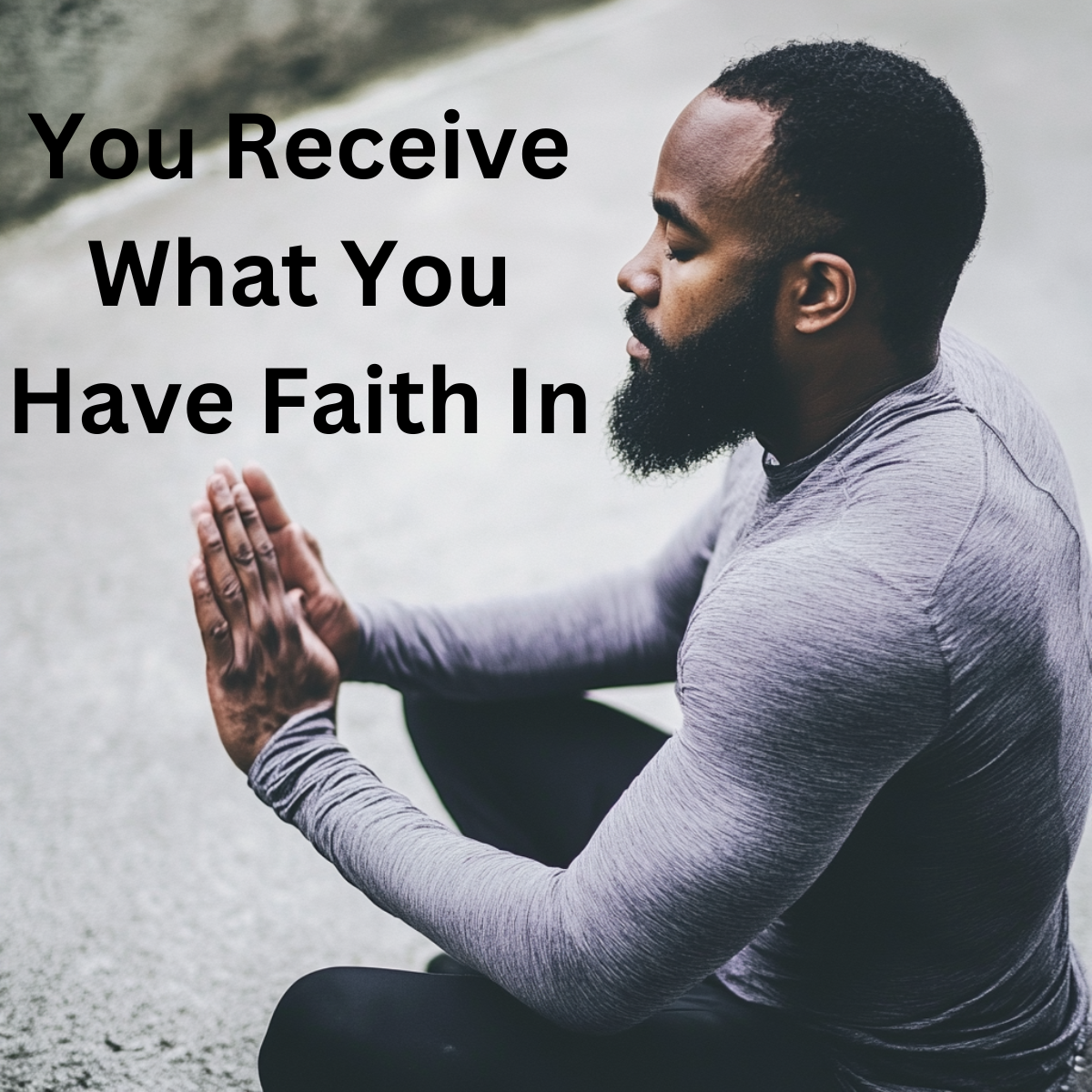
Day 99 of this journey has led me to a simple but profound truth: You receive what you have faith in. This idea came to me years ago through the words of a wise mentor, but its depth didn’t fully resonate until I began to reflect on it. The choices we make—what we believe, where we focus our energy, and how we act—shape who we become. Faith is not a passive thing. It’s active, intentional, and transformative.
The Power of Faith
If we pause to think about it, the statement “you become what you believe” holds an undeniable truth. Whether it’s a religious faith, a worldview, or even a goal, our faith impacts our actions. And as actions repeat over time, they transform us. The Bible is full of examples of this dynamic process. In the New Testament, Jesus Christ often taught about the relationship between faith and action. He used parables like the grain of mustard seed, showing how even the smallest measure of faith could grow into something far greater.
On the other hand, there’s the fig tree, a parable that serves as a cautionary tale. The tree looked healthy outwardly, but its lack of fruit revealed a deeper problem—a lack of true substance. The lesson here is clear: faith must bear fruit in our lives. Belief without action is like a tree with no fruit. It might look good for a season, but ultimately, it’s empty.
The Difference Between Belief and Faith
One of the most important distinctions I’ve come to understand is the difference between belief and faith. Belief is intellectual; it’s agreeing with an idea or a truth. But faith? Faith moves us. It’s what gets us out of bed in the morning and drives us to act. Faith takes risks. It’s the assurance of things hoped for, the conviction of things not seen.
When people of faith take action, great things happen. But here’s the challenge: faith isn’t always easy. We face hard times, distractions, and even our own moments of doubt. Yet, this is where faith grows strongest. Faith is like a muscle—it grows when tested. This is why the testing of your faith is not a bad thing but an opportunity for transformation.
Faith and the Choices We Make
Every day, we make choices about what we put our faith in. These choices might seem small, but over time, they shape our lives. Whether it’s faith in a religious faith, a relationship, or our own abilities, where we place our trust determines our outcomes. The Word of God challenges us to focus on what truly matters, not on fleeting or destructive pursuits.
For example, think about the time and energy you devote to certain activities. Are these choices aligned with your faith? Do they bring you closer to your goals, your values, or your Heavenly Father? Or are they leading you away, bit by bit, from what truly matters?
One of the most impactful practices in the Christian life is learning to be mindful of these choices. It’s about understanding not only what we do but why we do it. Are we driven by a desire for short-term comfort, or are we pursuing the long-term fruit of genuine faith?
Becoming What You Believe
The choices we make on a day-to-day basis are powerful. They reflect what we value, what we trust, and ultimately, who we’re becoming. If you want to live a life of meaning and purpose, take a moment to ask yourself these questions:
- What do I have faith in?
- Am I investing in the things that align with my values?
- Do my actions reflect my beliefs?
If the answer to these questions feels unclear, that’s okay. Faith is a journey, and clarity often comes through reflection and action. But one thing is certain: the more intentional we are about aligning our actions with our faith, the more we’ll experience the transformation God promises.
A Final Thought
Faith is not about perfection. It’s not about never doubting or failing. It’s about continuing to trust and act even when the path ahead is uncertain. Like the grain of mustard seed, our faith may start small. But with time, care, and consistent action, it can grow into something that impacts not only our lives but the lives of others.
So as you go about your day, take a moment to consider: what are you putting your faith in? Are your actions bearing the fruit of that faith? And most importantly, are you becoming the person you’re meant to be? Faith is a gift, but it’s also a responsibility. Choose wisely, and let your faith guide you toward a life of purpose and meaning.