I find myself in a Robert Frost time period—wandering familiar paths, pausing at forks in the road, and listening carefully to the voices of work, purpose, and passion. His poetry has been a quiet companion lately, offering a kind of wisdom that doesn’t force itself upon you but rather waits patiently to be understood.
Today, I’ve been thinking about how often people separate what they must do from what they love to do. Vocation from avocation. Work from passion. Many take jobs simply because they are available, not because they align with who they are or who they aspire to be. The necessity of survival forces choices, and over time, those choices become the shape of a life. But is it the right shape?
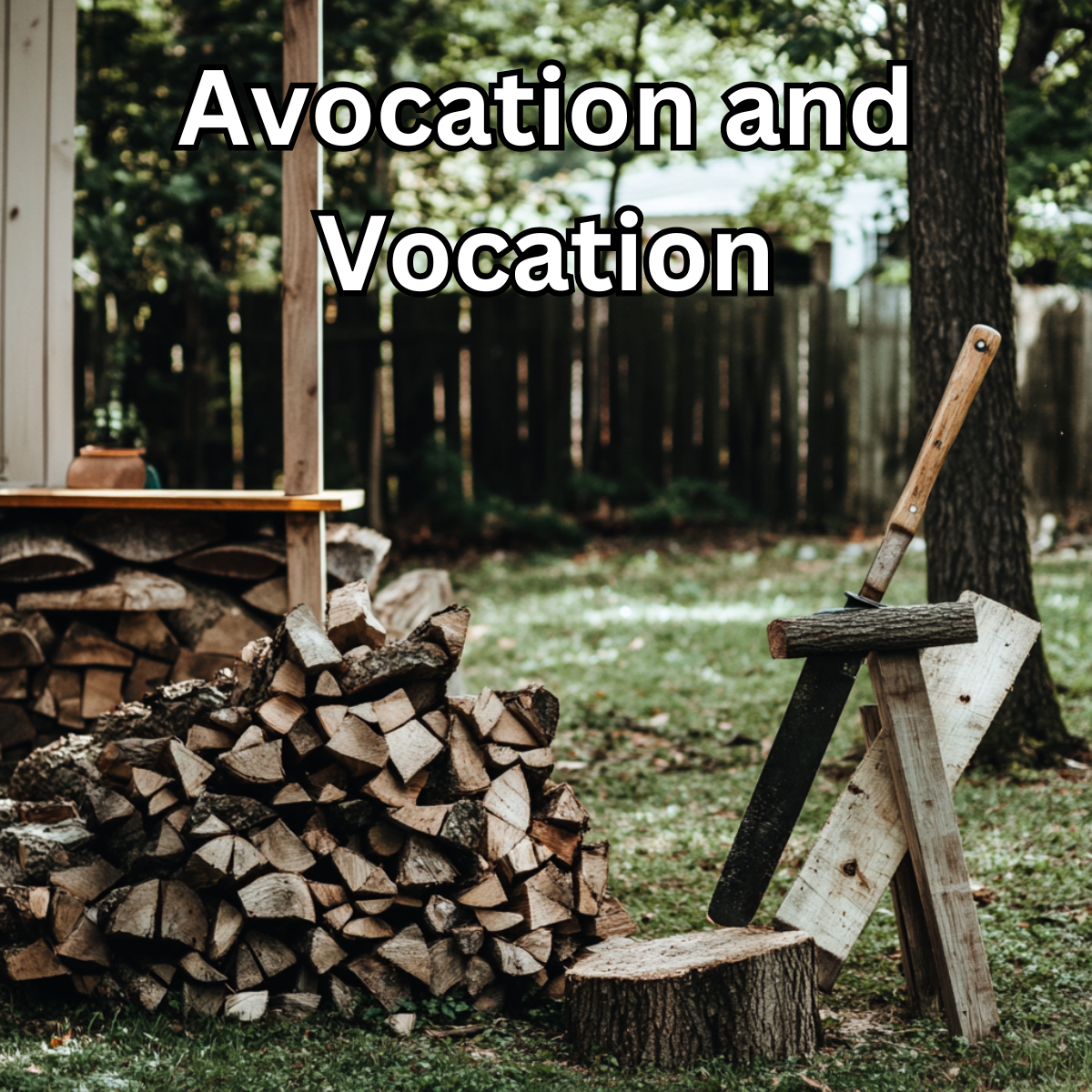
Robert Frost wrestled with this question in his poem Two Tramps in Mud Time. He describes a moment of interruption—a man chopping wood, finding joy in the task, when two tramps arrive, seeking the work out of necessity. This contrast sets up the tension between doing something because you love it and doing something because you need to. The poem ultimately arrives at one of Frost’s most famous ideas:
“But yield who will to their separation,
My object in living is to unite
My avocation and my vocation
As my two eyes make one in sight.
Only where love and need are one,
And the work is play for mortal stakes,
Is the deed ever really done
For Heaven and the future’s sakes.”
Frost resists the idea that work and love must be separate. He suggests that fulfillment—real, lasting, soul-deep fulfillment—comes when our work is done with both heart and purpose. Work should not be just a means to an end. It should be something that engages our deepest self, something that challenges and refines us, something that contributes to more than just a paycheck.
Of course, not everyone has the luxury of choosing work that aligns perfectly with their passion. But what if the pursuit of that alignment is itself a worthwhile endeavor? What if, rather than resigning ourselves to the separation, we moved steadily toward the union of avocation and vocation?
Maybe that means taking small steps toward work that brings both joy and necessity into harmony. Maybe it means bringing more passion into the work we already do—finding ways to make it more meaningful, more connected to who we are. Maybe it means a bold step, a shift, a willingness to change directions.
I am reminded that work is not just about what we do. It’s about why we do it and how we do it. And when love and need are one, when what we must do is also what we are called to do, then work is no longer just work. It becomes something more—a craft, a calling, a legacy.
And that is a road worth traveling.