This morning I was getting prepared to start testing our new platform that we are releasing in a few days. Tensions are high, expectations are even higher. As I sat at the desk contemplating my plan of attack, I noticed a small ant crawling across the surface. As I looked at it, I wondered if it had a plan. Was its sole purpose to wander around and potentially bump into something that would be worthwhile to the hive. How many expendables were there like this.
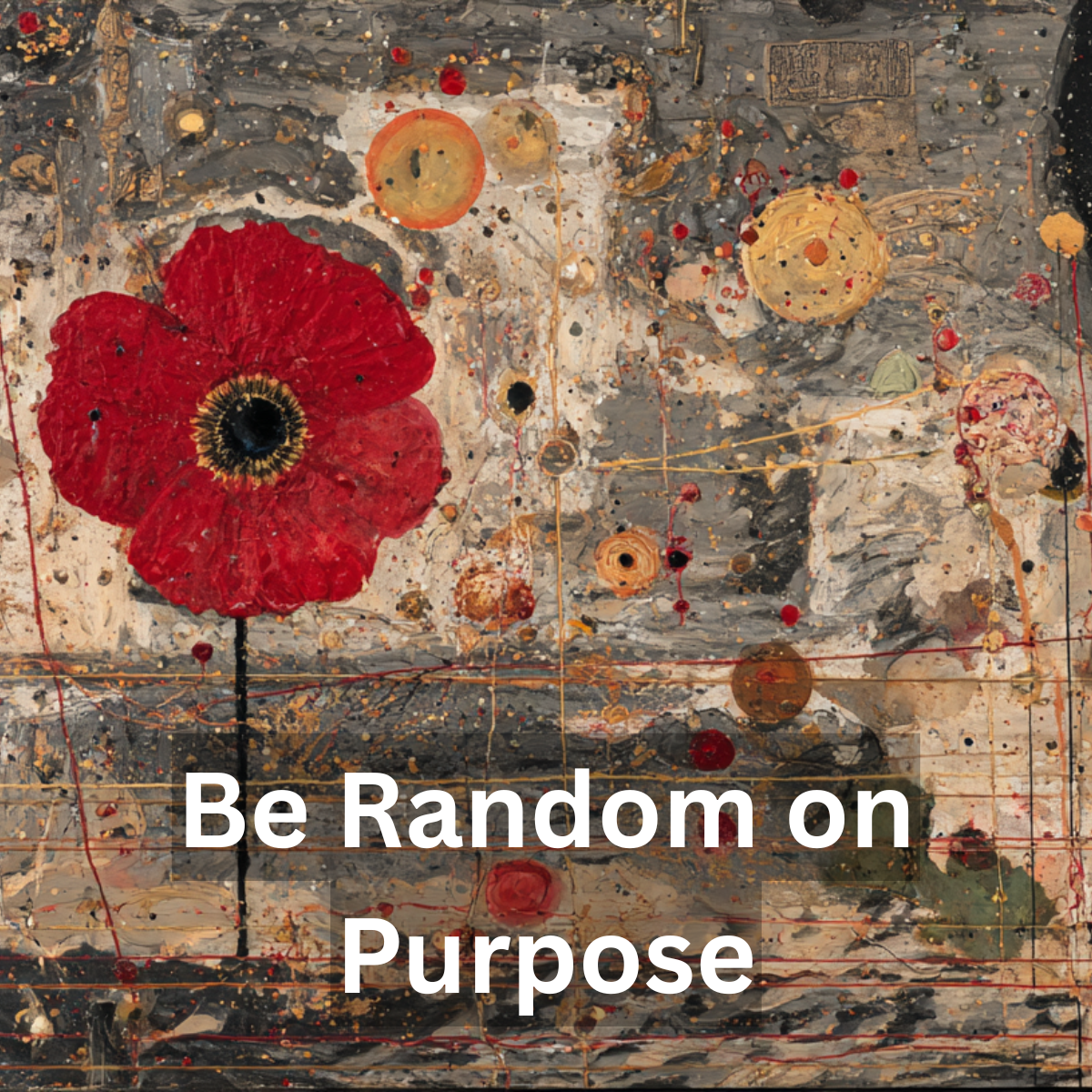
That is what got me thinking. Maybe I do not need a plan. My team has already done all the structured testing. Maybe sometimes you should just be random. This simple observation cuts against everything we are taught about productivity and success. We are conditioned to believe that every moment should be optimized, every action should serve a purpose, and every journey should have a clear destination. That is the way my customers will interact with the software, right.
So I just dove in, doing random things, and allowed my daily interruptions to influence how and when I interacted with the software. Sure enough, I found a few things that might not have been noticed with an exact prescribed process. Perhaps this is a lesson that I can take with me today. What if some of our most valuable experiences come from deliberately choosing to have no agenda at all.
The beauty of randomness lies in its ability to surprise us. When we venture out with no predetermined outcome, we open ourselves to possibilities we never would have considered. There is a fascinating parallel between random exploration and creative thinking. When we are constantly focused on specific outcomes, we limit our field of vision. When we allow our minds to wander, much like when we allow our bodies to wander, we often stumble upon connections and insights that structured thinking would never reveal.
You have probably heard the concept that came out of the early days of Hewlett and Packard, Management by Walking Around. While Hewlett and Packard formalized the approach, similar management practices existed earlier in various forms. The Japanese concept of gemba, going to the actual place where work happens, shares similar principles, and many successful managers throughout history have intuitively practiced elements of this practical approach. I have often thought about this in terms of a manager roaming around, seeing how things are working, and learning far more than what they think from the top.
So today I started digging in and asking more questions. I learned that some people are working very hard and putting in a tremendous effort. I learned that others are not working as much, either because they are disinterested, in the wrong role, or are confused about what to do. That is helpful to me, as often you find yourself making decisions on the results only, and do not realize that there is a systemic issue in your way. Randomly talking to people seemed to give me an education in an unexpected way.
Perhaps the most interesting aspect of embracing randomness is that it requires a certain type of courage. In a world that rewards predictability and measurable outcomes, choosing to be random can feel risky. This is exactly what makes it valuable. When setting out to accomplish things in life, you need to be audacious, unpredictable, and a little crazy. The most successful people often share this quality, they are willing to deviate from expected paths and explore territories that others consider too uncertain or unconventional.
This does not mean abandoning all structure or planning. Rather, it means creating intentional space for unstructured exploration. Set aside time specifically for wandering, whether that is physical wandering through your city, intellectual wandering through books and ideas, or social wandering through conversations with strangers.
The key is to approach these random excursions with genuine curiosity rather than hidden agendas. The moment you start trying to force outcomes from random exploration, you have defeated its purpose.
What is remarkable about embracing randomness is how often it delivers exactly what you did not know you needed. That chance conversation with a stranger might provide the insight you have been struggling to find. That random book you pulled from a library shelf might contain the perspective that shifts your entire worldview.
Be random every once in a while. In our increasingly connected but predictable world, the ability to surprise ourselves, and others, becomes not just refreshing, but essential for growth and discovery.
The next time you feel stuck in routine or overwhelmed by plans, consider the radical act of stepping out your door with no destination in mind. You might be surprised by what you discover about the world, and about yourself.