When I was younger, I adopted the calendar as a fortress motif. The idea was that I needed to defend my calendar from invaders and from other assailants. The metaphor had merit, as any good fortress is built on a solid foundation and is strong, sturdy, and can withstand whatever is thrown against it. The challenge is that this mentality puts me in a defensive position, leading me to withdraw from meaningful interactions. I was always trying to ward off attackers, whether they were my customers, colleagues, or family. Being in that mentality made me hunker down in this make-believe fortress and effectively wall myself off against the world, which was not conducive to having good, productive relationships.
So I decided to treat my calendar as a weapon instead. The best defense is a great offense. So I started focusing on weaponizing my daily routine so I can attack the world and my problems head-on. I would invade each day early, well-equipped and ready to take charge. I woke up early every morning. Instead of holding to a specific sequence of events, I would accomplish the things I needed to as quickly as possible and then let the people and environment fill in the blanks around me. This weapon mentality served me well, and I have some real highlight reels in my life where I got some rather incredible things done in a short period of time, like launching a project in 30 days or closing a significant deal by the end of the month. The problem, however, was that once my invasion was over, getting up the energy to move on to the next one became increasingly complex. I found myself wanting to take breaks from the constant weaponization of my day and from this mentality, so I could enjoy the spoils, so to speak.
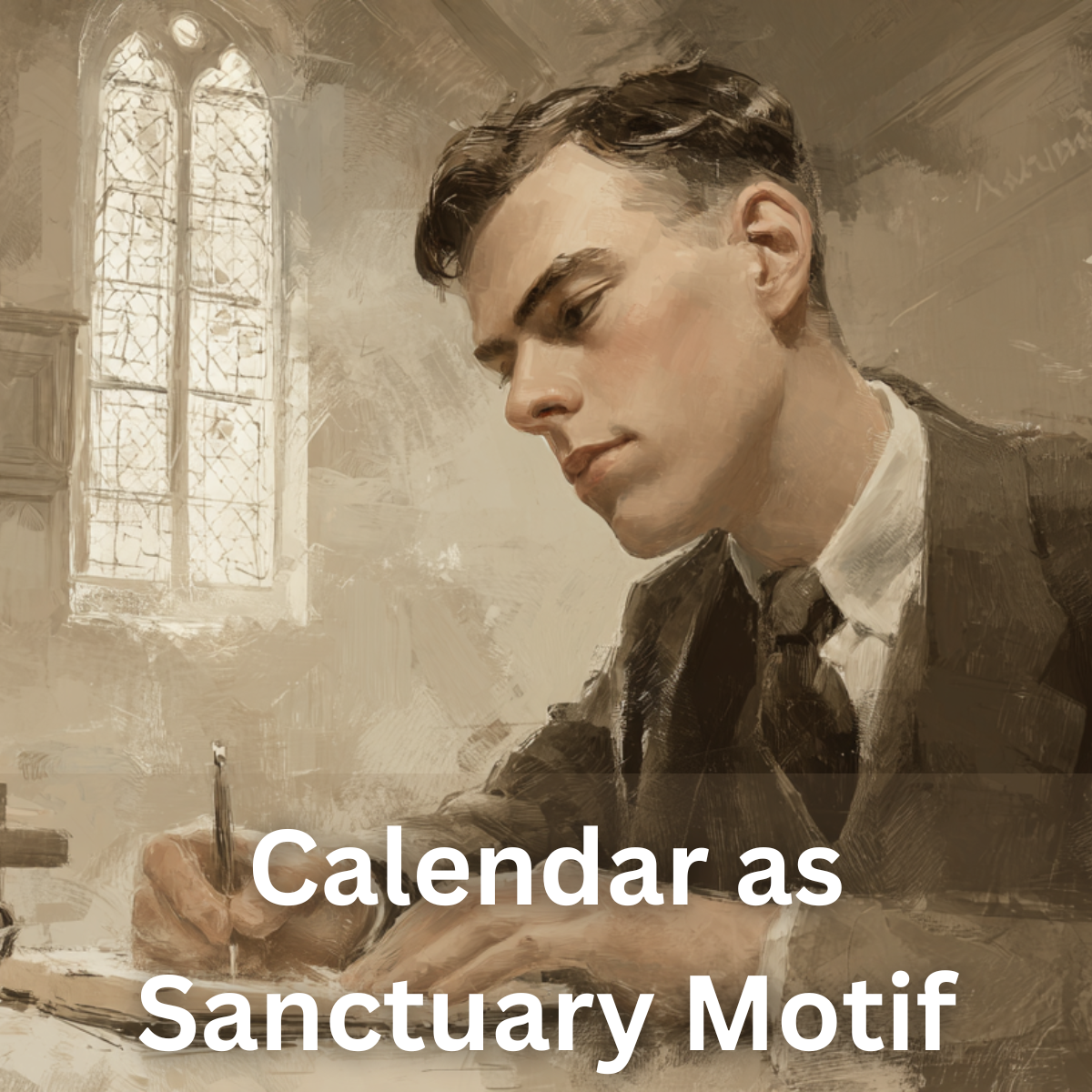
This has led me to my current and final motif for how I think about my schedule. I am now in the calendar as a sanctuary mindset. This is a vastly improved way to view my daily requirements and booked appointments compared to the conquer-it-all mentality. I no longer hold to a defined list or attack every day with a conquer-it-all mentality. Instead, I have settled on specific elements that serve as sanctuaries, restorative spaces, and essential parts of my day. Here, I outline key ideas for pending events. I have stopped alienating thinking time, and now I embrace the idea that work is definitely taking time to think. I do not always have to be a task master to be working; it is pretty reasonable and, in fact, highly effective for me to spend valuable time pondering my next move.
Approaching each day as a sanctuary has made each event I take on feel more welcoming and refreshing, rather than a burden or a menacing opponent to be attacked. My morning runs are now my time to think, and I look forward to a few quiet moments to reflect on my day, one that is less about adding to a task list or checking items off. The routine that I do is more necessary than absolute and more welcoming than rigid. When you view the essential things you do each day in this way, you are less prone to being reclusive or overly aggressive and to burning yourself out. Things flow more naturally, and I find myself accepting when I have peaks and more forgiving to myself when I am in a valley.