When I was a young man in college, my wife and I were preparing for marriage. That single decision—to take on the responsibility of building a life together—sparked in me a sense of urgency. I needed a better-paying job. The timing, as it turned out, was serendipitous. The Internet was just beginning to reshape the landscape of work and communication. We didn’t quite know it yet, but the age of information had begun to dawn.
I found myself at the edge of that wave, and my first real job was in this new and unfamiliar territory. It demanded that I learn a foreign language of sorts: the language of machines—networking protocols, hardware communication standards, and an entire vocabulary built to make systems speak to each other across invisible wires. I had no prior background in this field, so I had to immerse myself. Deeply.
I spent hours each day reading, practicing, testing, and troubleshooting. And in doing so, something remarkable happened. I began to think differently. It felt like I had rewired my brain. The old mental shortcuts I relied upon no longer served me. My brain, to accommodate the onslaught of new information, had to reorganize. It was painful at first—exhausting, even. But slowly, steadily, something shifted. After about six months of continuous, focused learning, I could feel my capacity expand. What had once seemed impossible had become second nature.
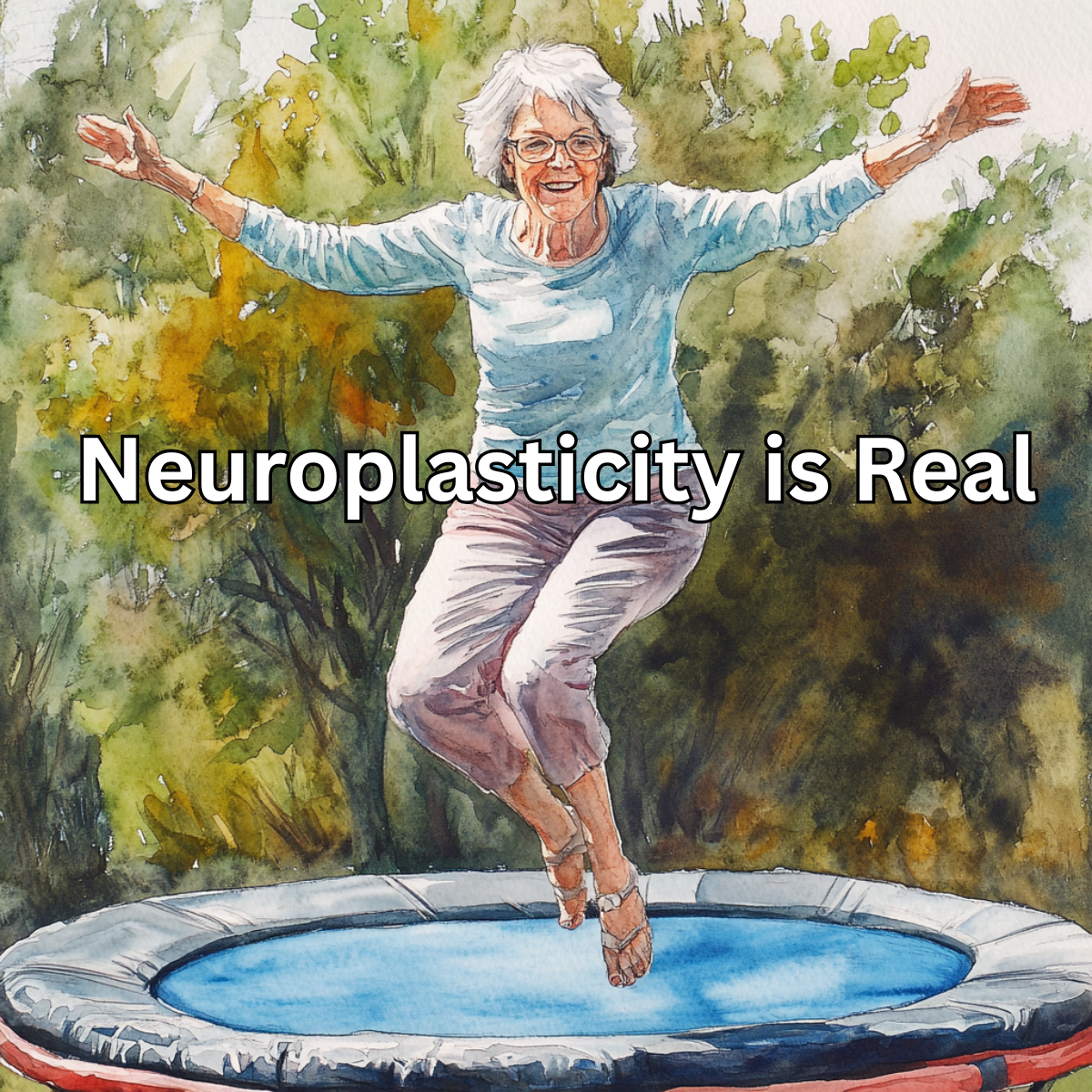
This was my first real encounter with the concept of neuroplasticity—the brain’s remarkable ability to change its structure and function in response to new learning and experience. For many years, it was believed that the brain became fixed after childhood. We now know that is not true. The brain remains dynamic throughout our lives. It is always adapting, always reshaping itself in response to how we choose to engage with the world.
That truth, however, comes with a challenge. Learning new things—like a musical instrument or a foreign language—can be notably difficult for older adults. Not because the brain is incapable, but because it is no longer in the habit of frequent change. The older we get, the more we rely on established patterns of thought and behavior. The brain, being efficient, prunes what it doesn’t use and reinforces what it does. When we stop challenging it, it stops adapting.
This becomes especially clear when someone suffers a stroke. If part of the brain is damaged, certain functions—speech, movement, memory—can be impaired or lost. However, through therapy and focused effort, the brain can often reroute these functions to different areas. This recovery is made possible through neuroplasticity. The brain finds new ways, if we persist. That process is not fast, nor is it easy, but it reveals a deeper truth: change is always possible if we are willing to do the work.
And so, I offer this observation—perhaps even an admonition. We must never stop pushing the boundaries of our mental capability. We must always be learning something—anything—that demands focus and attention. Whether it’s solving puzzles, learning a new skill, reading difficult texts, or engaging in thoughtful conversation, the goal is the same: to create new neural pathways and to revisit the old ones, keeping them sharp, alive, and accessible.
The brain thrives on activity. It needs novelty, challenge, and repetition to stay healthy. Let it grow stagnant, and you invite decay. But keep it moving, and it will serve you well.
So keep changing. Keep adapting. Keep reorganizing. That is how we stay truly alive.