I was reading through a routine project update when I felt something shift. The message was polite, thorough, and cooperative. Nothing was wrong on the surface. But one sentence stopped me. The person mentioned they had already anticipated the work and started it weeks earlier. I reread the line. Then I sat with the discomfort long enough to ask why it landed the way it did.
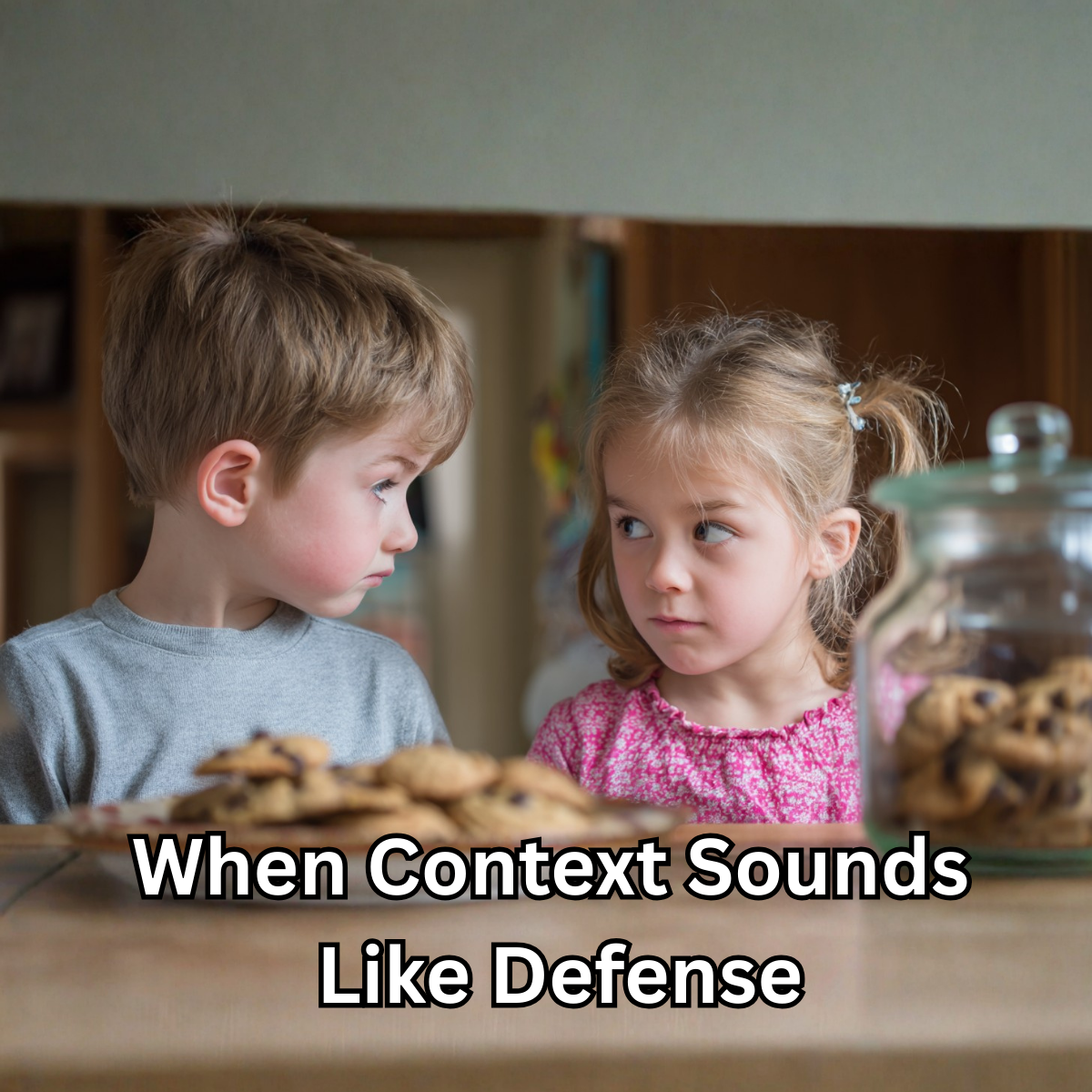
The issue was not the claim itself. It was not whether the statement was true or whether the effort had happened. The issue was timing. The comment drew attention backward, toward credibility that no one had questioned, rather than forward toward what came next. It was context offered as reassurance, but it felt like a defense. That realization stayed with me because it revealed something I had seen before but never named clearly. When people feel secure, they talk about outcomes. When they feel exposed, they talk about history.
Smart, capable people do this all the time. Accountability increases, visibility rises, and the instinct to protect credibility kicks in. It most often occurs during transitions, audits, or leadership changes. Someone asks a simple question, and the response includes not just the answer but also a quiet reminder of past effort, foresight, or initiative. The intent is not manipulation. The intent is reassurance. But the effect is friction. The listener hears defense even when none was intended, and trust erodes in small, invisible ways.
I have done this myself. I have added context to updates that did not need it. I have explained my reasoning when no one asked for it. I have narrated my foresight to signal competence. And every time, I created distance instead of connection. The more I explained, the less confident I sounded. The more I justified, the less I was trusted. I learned this slowly, through the quiet discomfort of watching people’s eyes glaze over, or their posture shift when I added one sentence too many.
The strongest communicators I know do not explain their credibility. They demonstrate it. They answer three questions clearly and stop. Where are we now? What happens next? What do you need? They do not narrate timelines unless asked. They do not remind people of past effort. They let action and follow-through do the credibility work. When scrutiny increases, they lean into clarity rather than context. They focus relentlessly on what is true right now and what moves forward from here.
This is harder than it sounds. When someone questions your work, the instinct to defend is immediate. When visibility increases, the urge to reassert value is strong. But the moment you shift from outcomes to history, you signal something you did not intend. You signal that you feel exposed. And once that signal is sent, the conversation changes. The focus moves from the work to the person. Trust becomes the subject instead of the background.
I have started paying attention to this in myself and others. When I feel the urge to add context, I pause. I ask whether the context serves the conversation or serves my comfort. Most of the time, it serves my comfort. So I delete it. I answer the question. I state the outcome. I name what is next. I stop. The silence that follows feels uncomfortable at first, but it is the silence of trust. It is the sound of someone listening to what I said instead of wondering why I said it.
Teams that normalize visibility make this easier. When updates are expected and routine, people stop feeling the need to defend their effort. When progress is celebrated without requiring justification, people stop narrating their foresight. When leaders model calm, forward-looking communication, the team learns to do the same. The culture shifts from proving value to creating it.
If you find yourself adding context to reassure, try this. Before you send the message, reread it. Look for sentences that explain your past effort, your foresight, or your credibility. Ask whether those sentences move the conversation forward or pull it backward. If they pull backward, delete them. Answer the question. State the outcome. Name what is next. Stop. Let the work speak. Let the follow-through build trust. Let the silence do its job.
Discomfort is a teacher, not a problem. The moment I felt something off in that update was not a failure of communication. It was data. It told me something about how context can sound like defense, even when the intent is pure. It reminded me that trust is built through clarity, not explanation. It showed me that the strongest response to scrutiny is not history. It is ownership. It is a focus. It is the quiet confidence of someone who knows where they are and what comes next.