How can you motivate someone to work harder?
I am in a unique position to answer this question, as I have worked and been a leader in small organizations, large public education, large public and private companies, and my own startups. I have battled with this question, and I have seen others battle with it too. I have read many books on the subject, and I can collectively distill that knowledge into two concepts: give the person a carrot to chase or beat them with a stick.
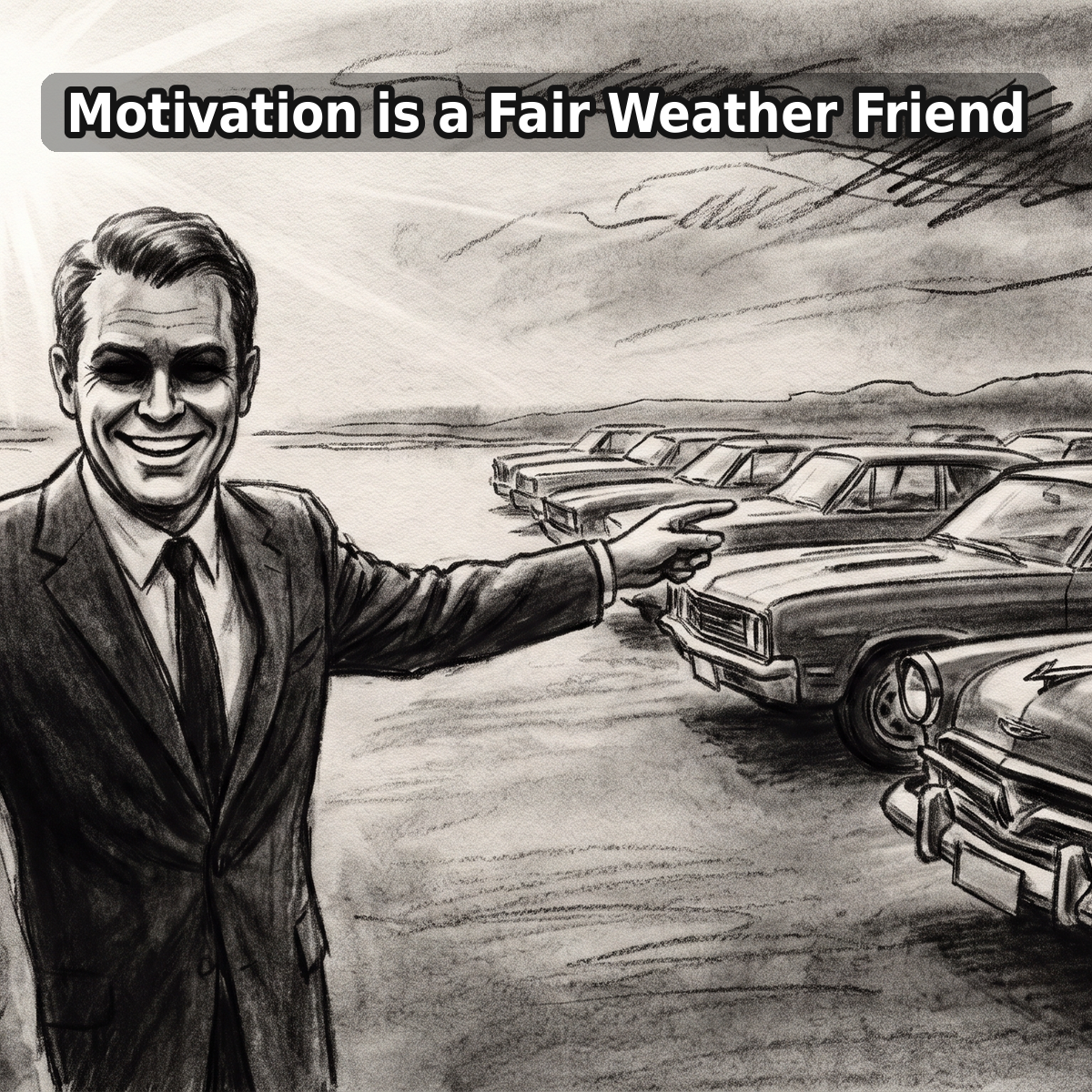
The "carrot and stick" analogy is a classic metaphor for motivation, describing a system of rewards and punishments used to encourage a desired behavior. The "carrot" represents the incentive or reward offered for compliance, something desirable that an individual or group will strive to attain. Think of a donkey being enticed forward by a carrot dangling just out of reach. The "stick," on the other hand, symbolizes the penalty or negative consequence for non-compliance. This could be a punishment, a threat, or the removal of a privilege, much like a driver might use a stick to prod a stubborn animal.
In essence, it’s about leveraging both positive reinforcement (the carrot) and negative reinforcement (the stick) to steer actions. While effective in some contexts, it’s often criticized for being a simplistic and potentially demotivating approach, as it can foster resentment or a focus solely on avoiding punishment rather than genuine engagement or intrinsic motivation.
However, this is what most managers defer to: one or both of these methods. They think they are really innovative when they come up with a reward and punishment system, and then they subject their workers to a bunch of ridiculous rules in order to qualify for each program. I have learned that neither of these works at all. Gone are the days when people are lucky to work for you. They have a choice and are surrounded by options, so you need a better plan.
First, understand their "why." What are their aspirations, their dreams, their fears? Connect their effort directly to those deeply held desires. Show them how working harder now isn’t just about a paycheck, but about building the foundation for the life they envision.
Second, provide clear, achievable goals and regular, constructive feedback. Break down large tasks into smaller, manageable steps. Celebrate small wins to build momentum and confidence. When offering criticism, focus on solutions and growth, not just shortcomings.
Third, foster a sense of autonomy and ownership. Give them opportunities to take initiative, make decisions, and contribute their unique ideas. When they feel invested and respected, their intrinsic motivation will naturally increase.
Finally, lead by example. Demonstrate your own work ethic, passion, and commitment. Create a supportive environment where hard work is recognized and valued, and where mistakes are seen as learning opportunities. Remember, motivation isn’t a one-time fix; it’s an ongoing conversation and a continuous process of encouragement and empowerment.
I was at an executive retreat where someone actually said that employees should always put the company first. This is a common sentiment, but it often overlooks the fact that employees are not just cogs in a machine; they are individuals with their own lives, families, and aspirations. As Simon Sinek points out, "When we take care of our people, our people will take care of our customers, and our customers will take care of our bottom line."