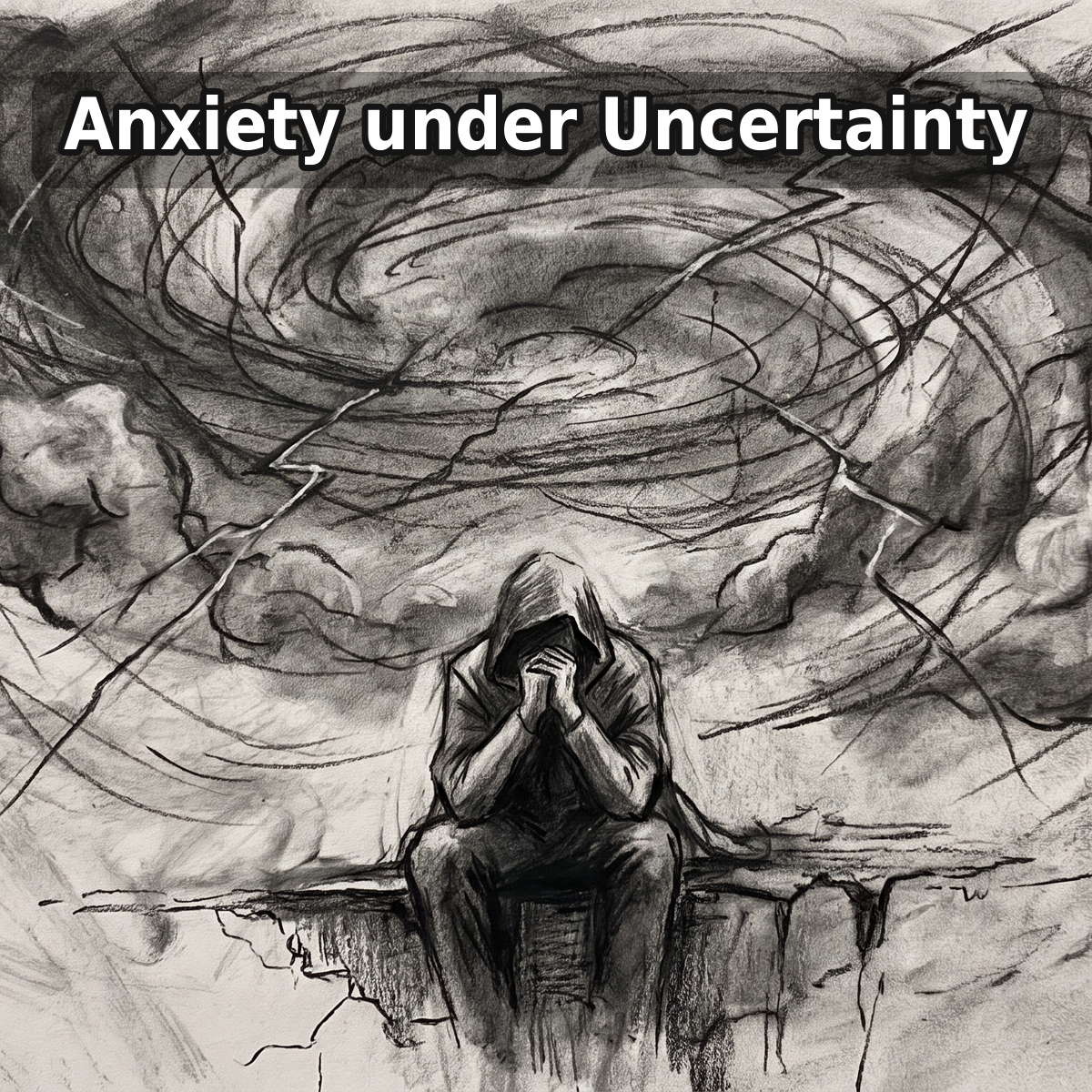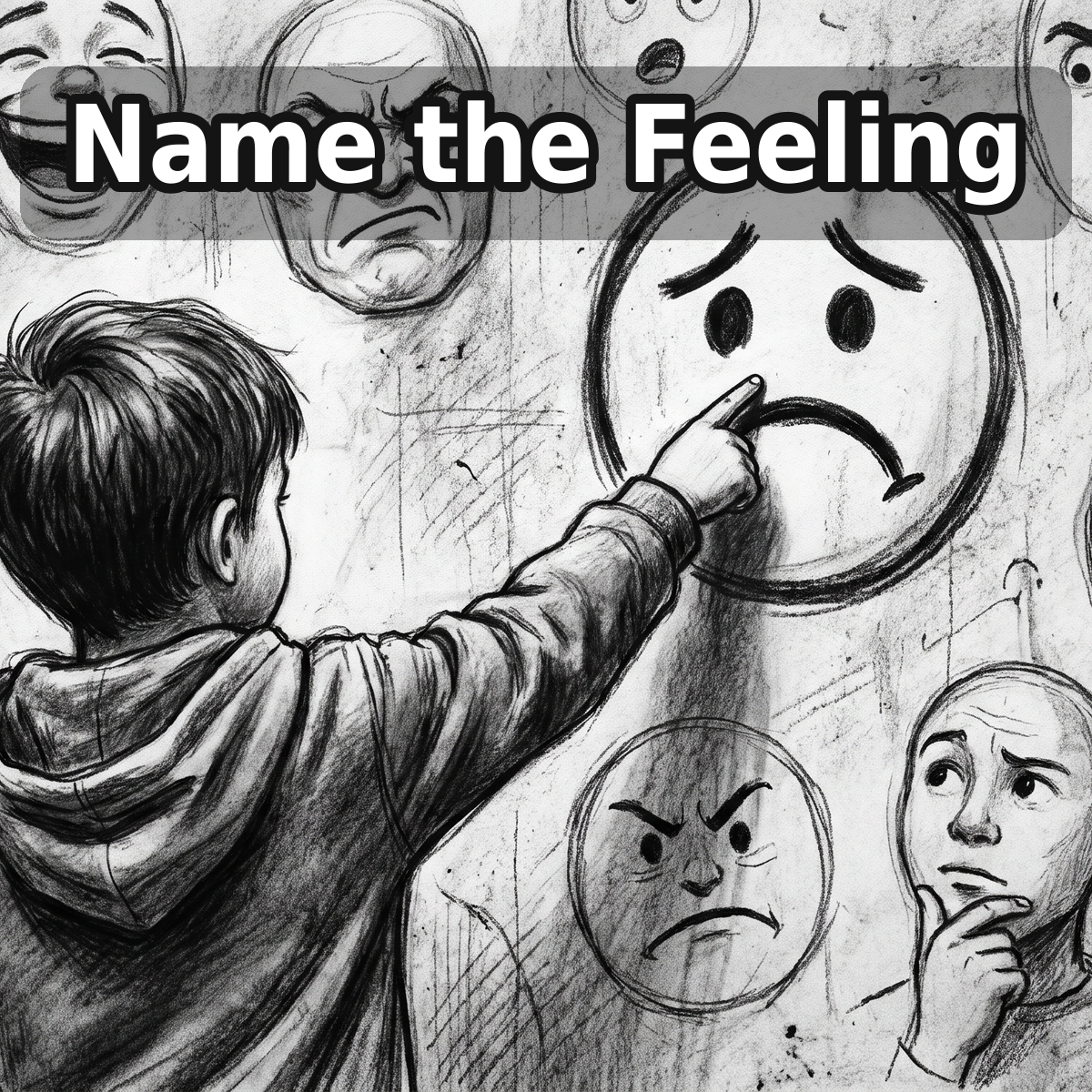
An interesting exercise to go through next time that you are feeling out of sorts is to ask yourself, "What exactly am I feeling?" Surprisingly, many of us are not capable of making any distinction between feeling ashamed versus feeling anxious. We simply lack the vocabulary; we just simply call it "not feeling good." I am not sure why this is the case; in raising three children, I noticed when they were growing up, they would sometimes just not be in a good mood. So we would quiz them and slowly go through the range of emotions until we identified the culprit. My wife has been particularly good at that, but not me. I started to recognize that, growing up, I could not really identify which emotion belonged to which category.
I recently saw an article online referencing some research by Katie Hoemann and Lisa Barrett called "The Simple Trick that Can Help You Understand Your Emotions." One of their examples caught my attention. I have always suffered from some color blindness. Distinguishing between certain shades of red is almost impossible for me. It was once explained to me that I was probably missing or had a reduced number of red receptor rods that receive light at the back of my retinas. Anyway, the researchers compared the lack of ability to identify emotion to that of color vision.
One person may only see red (like me), and other people will see crimson, scarlet, burgundy, pink, etc. The label is not the point; what is identified here is that with a working definition of the color spectrum, you can identify what you are seeing. That same thing happens with emotions. If you clearly identify your emotion as guilt instead of just bad, then you can actually do something positive about it. This is identity and resilience work at the granular level. Discomfort you can name is discomfort you can act on, which has long been my observation that awareness must precede change.
The important point that I think the researchers were making is that the ability to name a particular feeling is a skill. This emotional granularity can be learned, practiced, and improved over time. This means you actually can get better at facing any negative emotions that you experience in your life.
This journey of understanding and shaping our emotional landscape is not about eradicating discomfort, but about cultivating a more nuanced relationship with it. It’s an invitation to explore the rich tapestry of our inner world, recognizing that each feeling, once acknowledged and understood, offers a unique opportunity for growth and self-direction. By embracing this ongoing process, we discover a profound capacity to navigate life’s currents with greater intention and a deeper sense of personal agency.