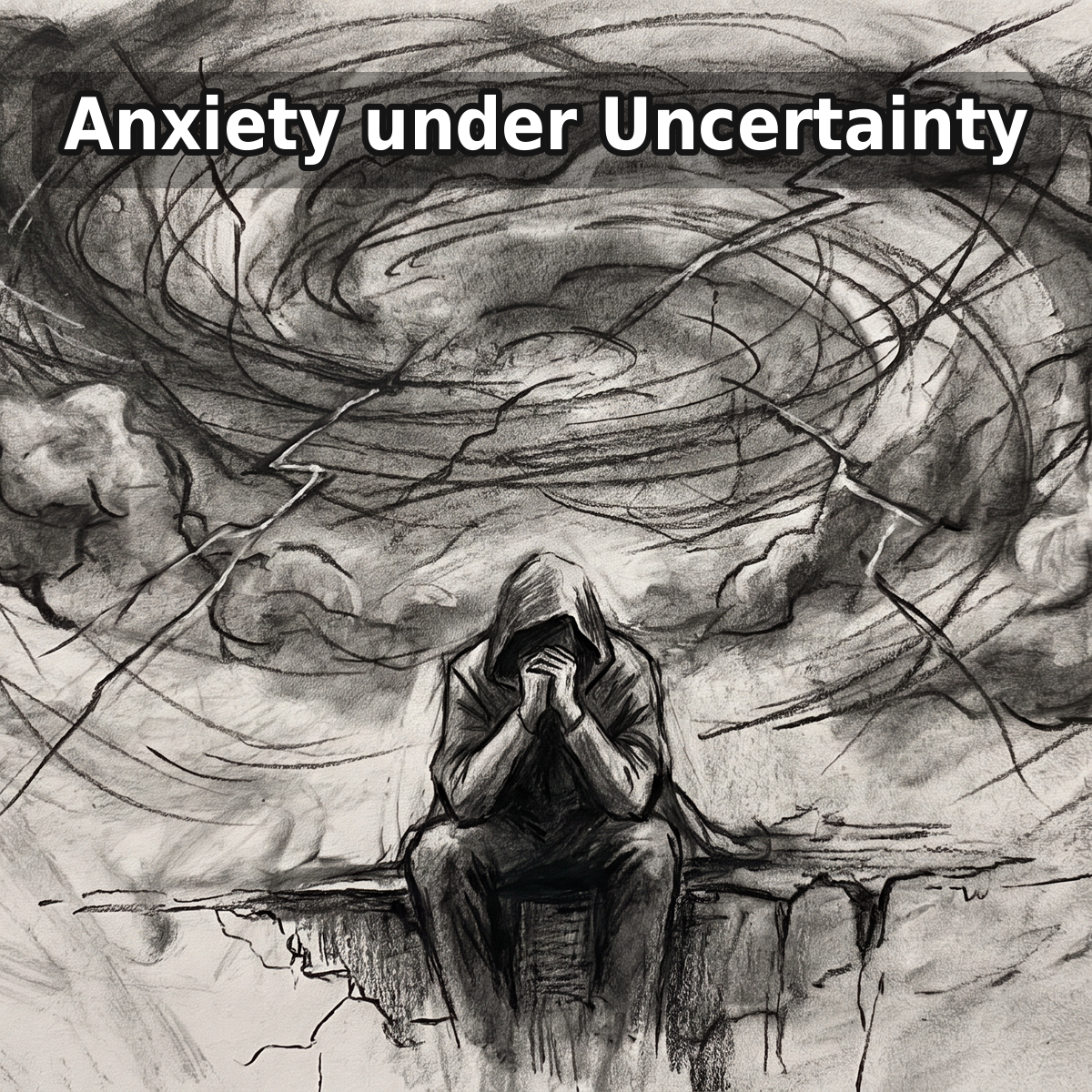
In the Stoic tradition, there is this helpful concept attributed to Epictetus, which is to separate your concerns into things that you can control and things that you cannot. The life advice here is to avoid worrying about what you cannot control and instead spend your energy on what you can. This has served many well as sound advice for controlling their mind and learning to reduce anxiety over pointless concerns.
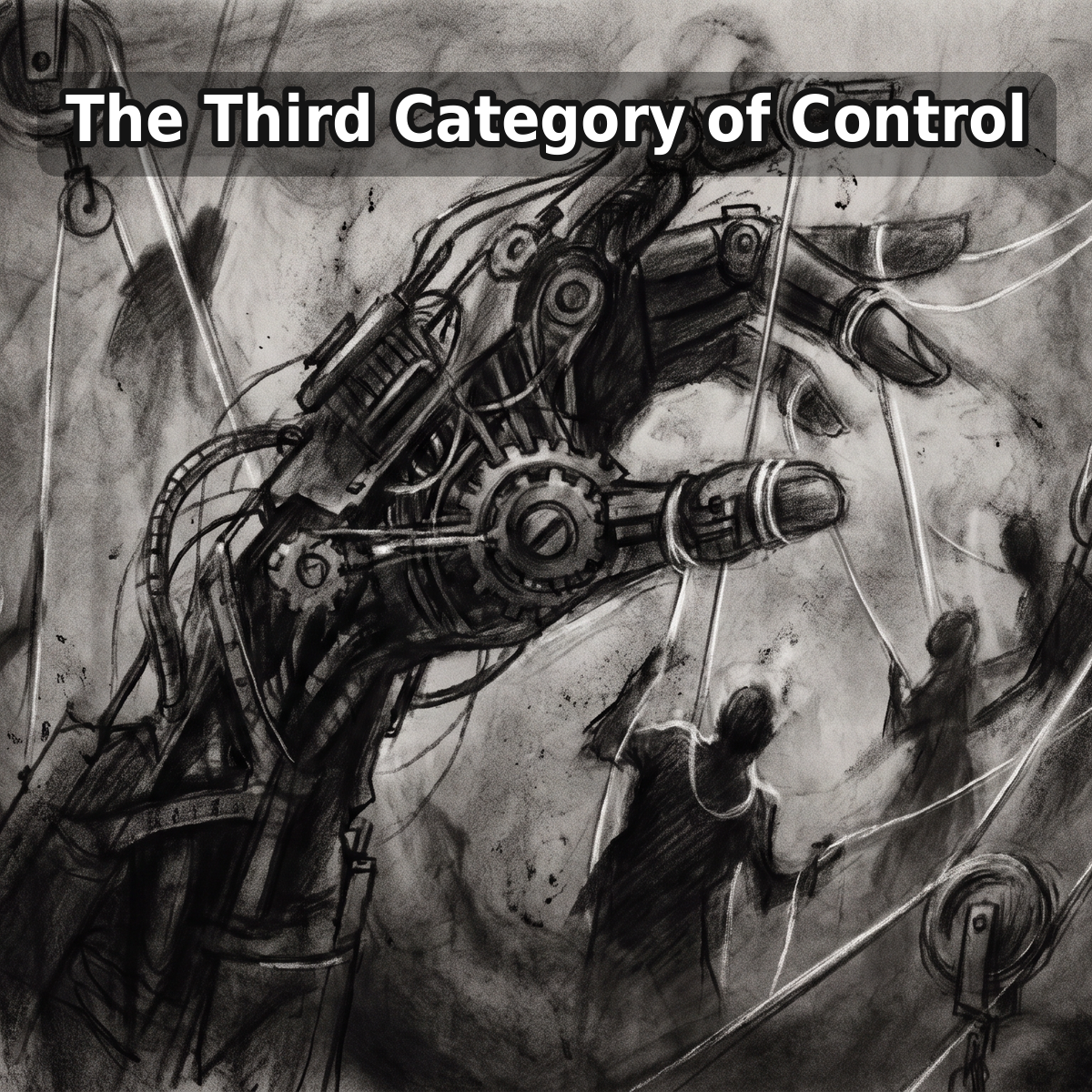
However, there is a third category in this consideration. There is what you can control, there is what you cannot control, and then there is what you can influence. Clearly, the things in your control are your actions, your preparation, your effort, your attitude, your effort level, and the decisions that you make. You cannot control things like the economy, macroeconomics, riots in another country, other people’s choices, and unexpected events. The practical solution is to focus all your energy into the first area, what you can control. However, what happens when that runs out? Or what happens when that is not good enough to get what you want done?
Then you focus on the third area, what you can influence. These are things like relationships, negotiations, opportunities before you, and other people’s decisions. Note the difference. Whereas you can influence decisions, you cannot control choices. This consideration is actually the most helpful. When someone says, "focus on what you can control," that is all well and good right up until the point that you discover that what you really want is in the hands of another person.
So at that realization is when you discover the third element of this Stoic guidance, and that is focusing on what you can influence. If, for example, you were uncertain about a professional opportunity, you are not going to compel, convince, or force someone to choose you. However, you can exert a significant amount of influence on the decision to choose you. That distinction is really important because you can now worry and be concerned about the right kinds of things.
You can prepare, you can communicate better, you can pursue alternative opportunities, you can try to improve your position. You cannot force them to make a favorable decision, but you can figure out what you can reasonably do to influence the decision-making process. Armed with a focus on what you can control AND what you can influence, you are now in a position to start worrying about the right things rather than a bunch of things that you have absolutely no control over.