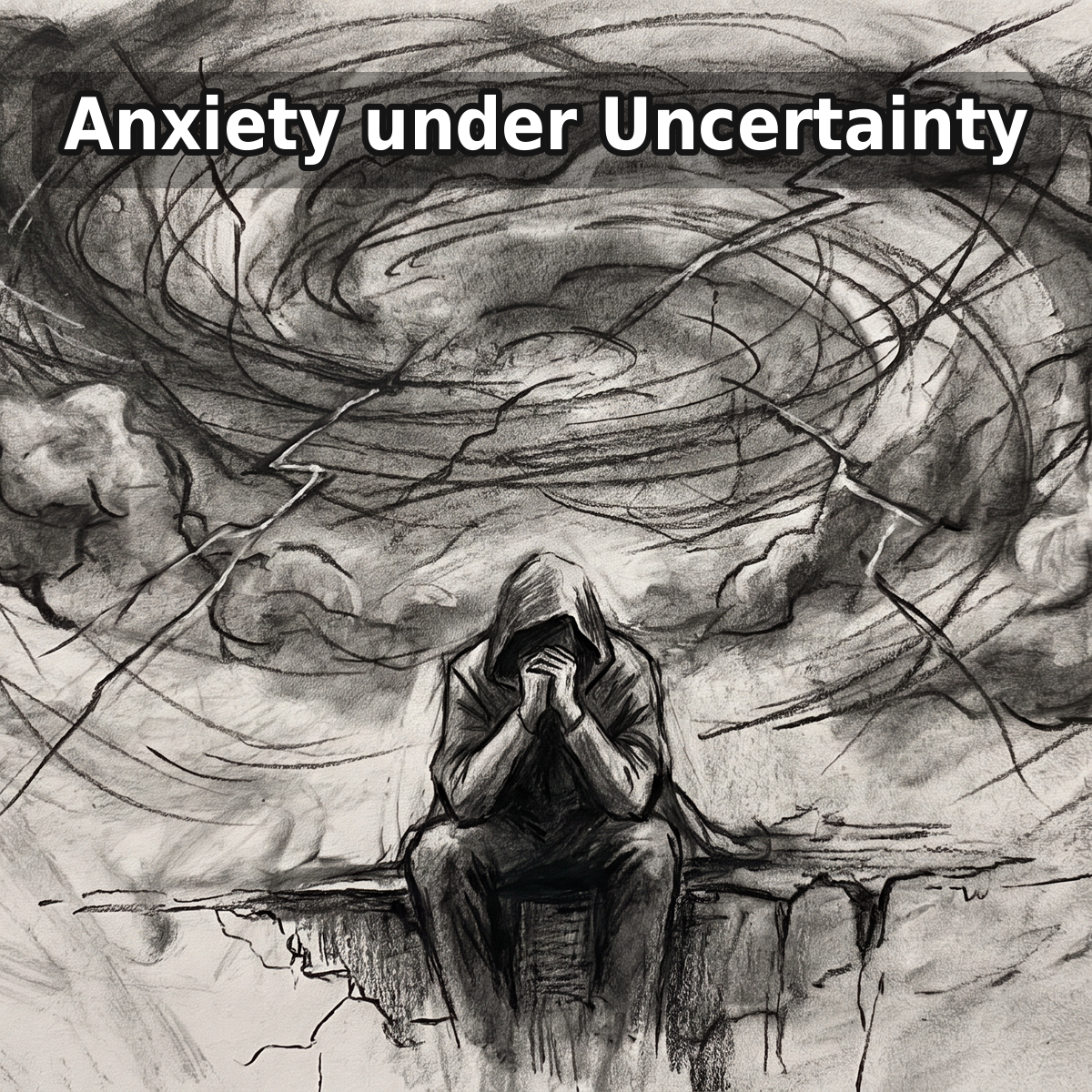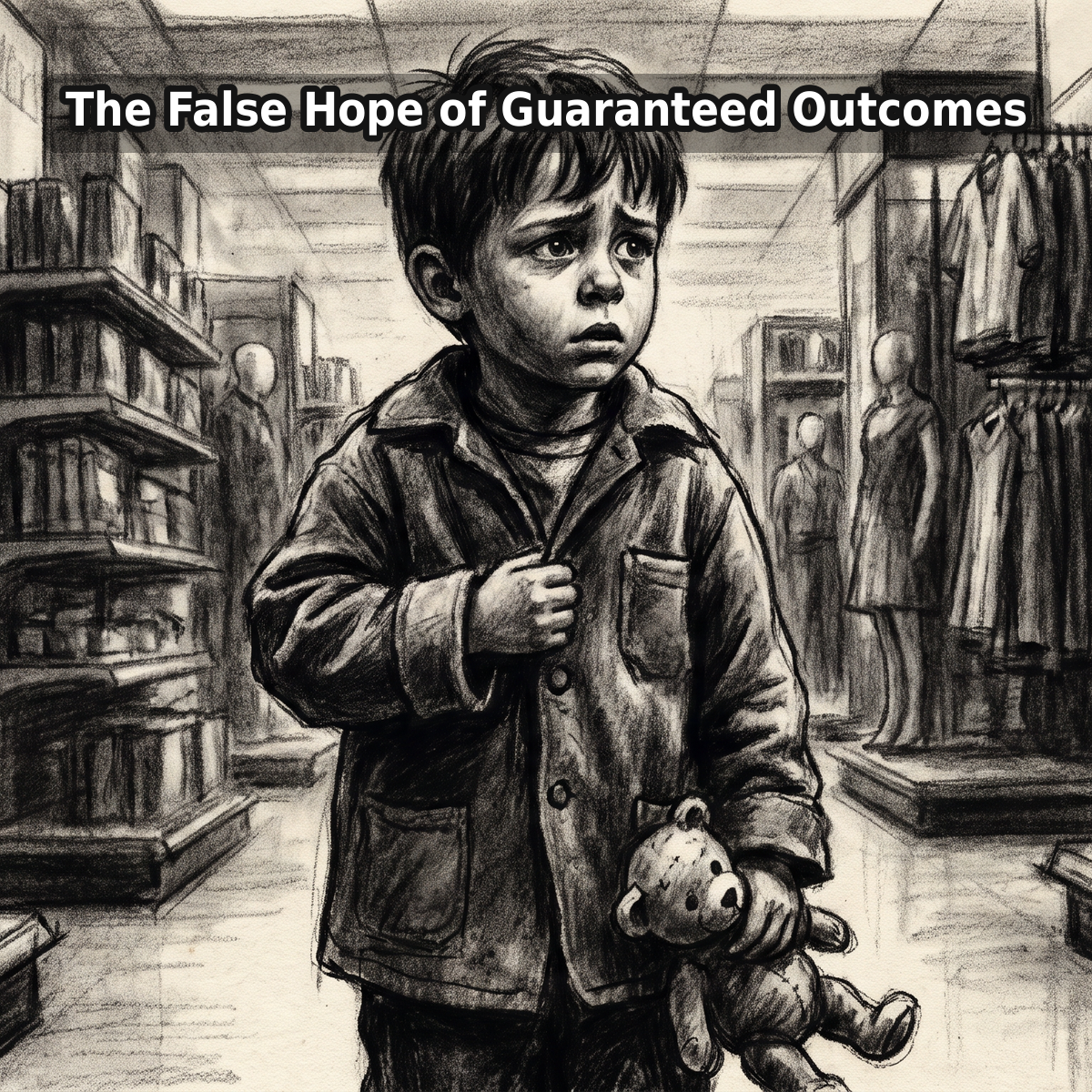
When I was a young boy, I was worried about the uncertainty of things going on around me. We would go to the store, and I would be intensely focused on making sure my mom never left my sight. I would think, if I lost her, I might never get back home. I would worry that I would not be able to find food or a place to sleep. My sister would be running around, hiding, laughing, and playing like no care in the world, and I would be evaluating all possible threats and looking for ways to escape if that became necessary.
As I got older, I started to realize that even adults had little control over the outcomes in life. They may plan their trip, but ultimately happenstance, luck, fate, or just an accident would intervene, and all carefully made plans would be dashed to pieces. I saw this happen enough to where I concluded that no outcome could ever be guaranteed, and there was no safety net capable of holding up what life had to dump on you when it wanted to.
I have started to recognize this guaranteed outcome type of thinking. People often believe: “I will feel better when I know everything is going to work out.” So they wait, and worry, and hedge, and hold onto what they have until they know for sure what the outcome is going to be. The folly in this belief system is that we have very little control on what life will provide, and so all the worry is pointless. A good plan is wise, a clear direction is also smart, but failing to even start because you do not know how it is going to end? That is silly.
Yet we do it all the time. There is a better way to think: I will be okay because I trust my ability to respond to whatever happens. Whereas the first way depends entirely on external circumstances being resolved before you can proceed, the latter puts the control with you, and this builds internal resolve. You don’t need to convince yourself that everything will turn out well. You need to develop confidence that you can navigate outcomes that are less than ideal.
I do not remember exactly when I made the shift in my thinking, but it was sometime in my late teens and early twenties. I started believing that no matter what life threw at me, I could adapt. This thinking allowed me to free myself from over-analysis all the time and from failed starts because I wanted things to be perfect, meaning the outcome was guaranteed. I now understand that was a false hope, and as the years have gone on, I have built more resolve to take on risk, accept the uncertain, and charge ahead knowing that I can succeed, no matter what life throws at me.