We have a new tradition brewing in our family kitchen. Every Halloween, we make a giant pot of gumbo. It sits there simmering away while the house fills with the excitement of the evening, costumes are being prepared, candy is being distributed, and the sounds of Halloween begin to fill the neighborhood. Somewhere in the middle of all this activity, there is that wonderful smell coming from the kitchen.
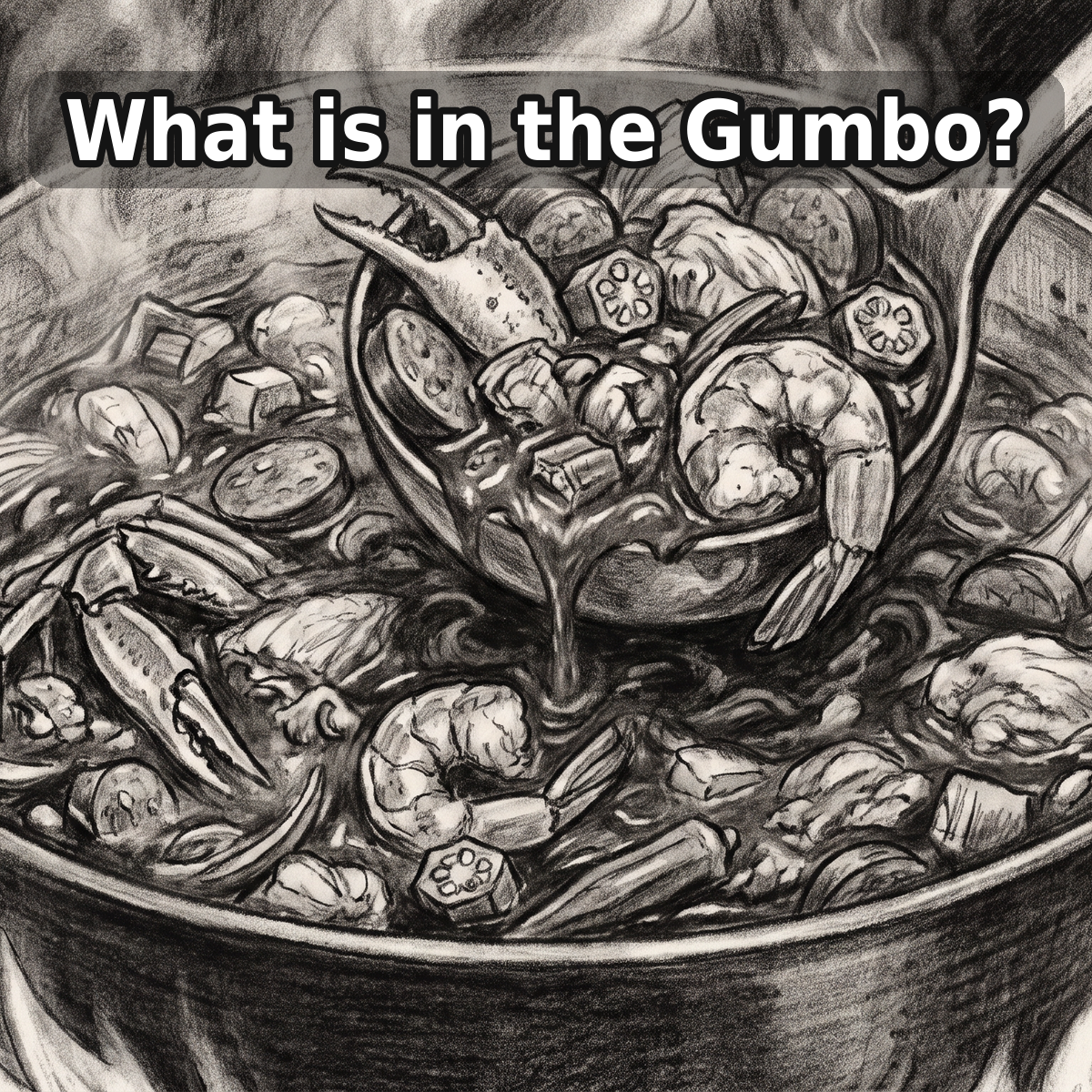
Now, what exactly goes into a good gumbo? Is it seafood, chicken, sausage, or some combination of all three? Certainly, we need the holy trinity of Cajun cooking, onions, celery, and bell peppers. Then there is the mysterious art of making the roux. How dark should it be? How long do you stir? How close can you get to burning the whole thing before you have achieved perfection?
I am beginning to suspect that the most important ingredients are not actually on the recipe card.
Every culture, every society, and practically every family has traditions that center around the preparation of food. Think about that for a moment. Throughout human history, people have gathered around fires, ovens, stoves, and kitchen tables to prepare meals together. Recipes were passed from one generation to the next, often without ever being written down. Children learned by watching, helping, tasting, and occasionally getting scolded for doing something wrong.
These were not just cooking lessons. They were lessons about family, patience, responsibility, and belonging. Stories were told while dough was kneaded. Family history was shared while vegetables were chopped. Arguments were settled, laughter was exchanged, and relationships were strengthened while everyone waited for something wonderful to finish cooking.
I worry that we are losing some of this.
We live in a world that places tremendous value on convenience. We want everything faster, easier, and more efficient. I certainly appreciate those things, but perhaps preparing food is one of those activities where efficiency should not always be the objective. There is something valuable about spending an afternoon making something that could probably be purchased in a fraction of the time.
Perhaps the effort is part of what makes it meaningful.
My plea is that we do not allow these traditions to disappear. Whatever your family prepares, whatever your cultural heritage has handed down, find a way to preserve it. Teach someone how to make that special dish. Ask an older relative why they do something a particular way. Write down the recipe, but more importantly, spend time together making it. The recipe may tell you what ingredients to use, but the experience teaches you why it matters.
I wonder if someday, many years from now, someone in our family will be standing over a large pot of gumbo on Halloween. Perhaps they will argue about whether shrimp belongs in it, whether the roux is dark enough, or whether someone has committed the unforgivable sin of adding the wrong ingredient.
I hope so.
Because I suspect that somewhere in that pot, mixed in with the chicken, sausage, vegetables, and spices, there is a little bit of our own souls. Perhaps even a little of the souls of those who came before us, who understood that preparing food was about much more than feeding hungry people.
We are creating a tradition, one Halloween at a time. I hope it lasts for generations.
So, I have a question for you.
What is in your pot of gumbo?