In Old English seaports it was common to weigh out equivalents with whatever was on hand, and on this case it more often than not was a stone. Overtime the need for more exact measurements were required, and the technogy for weighing raw goods improved. However, with a tip of a hat to the way things used to be the English will still use the term stones when measuring livestock and even people. A stone is roughly equal to fourteen pounds. So I am 16 stone.

I thought about this concept when I woke up this morning and I could feel the pull of gravity dragging me down. I was thinking, geez, I feel like I am carrying a bunch of rocks today. This lead me down the path of evaluating my weight in Stones. However, it is not weight that I am pondering this morning, it is value. Every relationship is built on value, either realized or perceived. If a person is not getting enough value from another then the relationship will erode overtime. How long that will take to completely destroy the relationship depends on many factors, but any relationship lacking value degrades.

So you always have to be asking yourself, am I pulling my weight in Stones? Am I providing enough value to keep the relationship healthy and strong? It does not matter how awesome you intend to be, eventually, what matters is how much value you provide to the other party. A spouse, a child, a family member, a client, an employer, and employee, a volunteer or any other relationship begins and ends with a value proposition.

I am going to carefully analyze today if I am pulling my weight in Stones. Will I like the answer?

Guy Reams
Subscribe
Notify of
guest
0 Comments
Inline Feedbacks
View all comments
Share the Post:

Recent Blogs

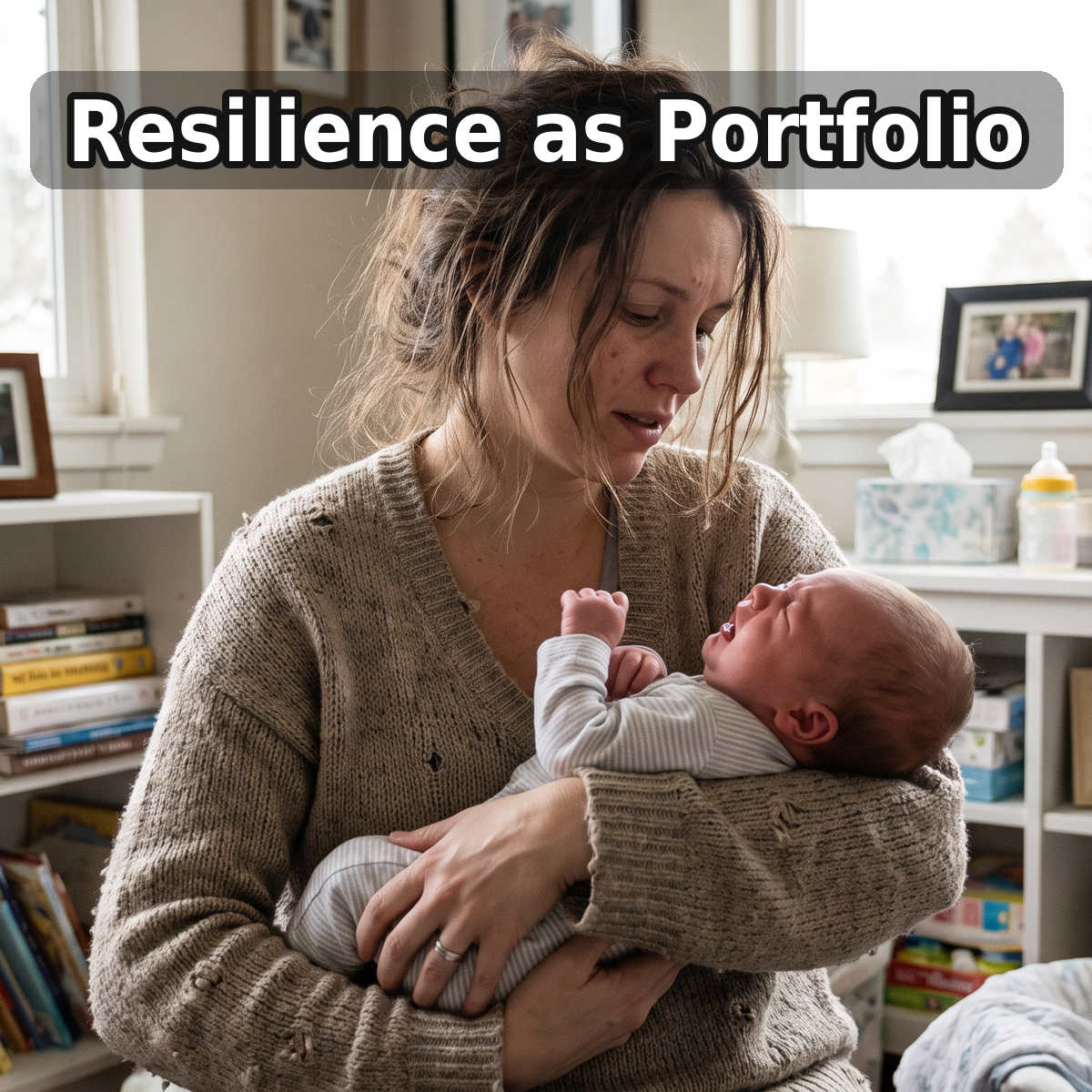
Day 362 – Resilience as Portfolio

This piece, titled “Day 362 – Resilience as Portfolio” by Guy Reams, explores the concept of resilience in a comprehensive manner, suggesting it can be viewed as a portfolio of diverse strategies and resources.

Read More

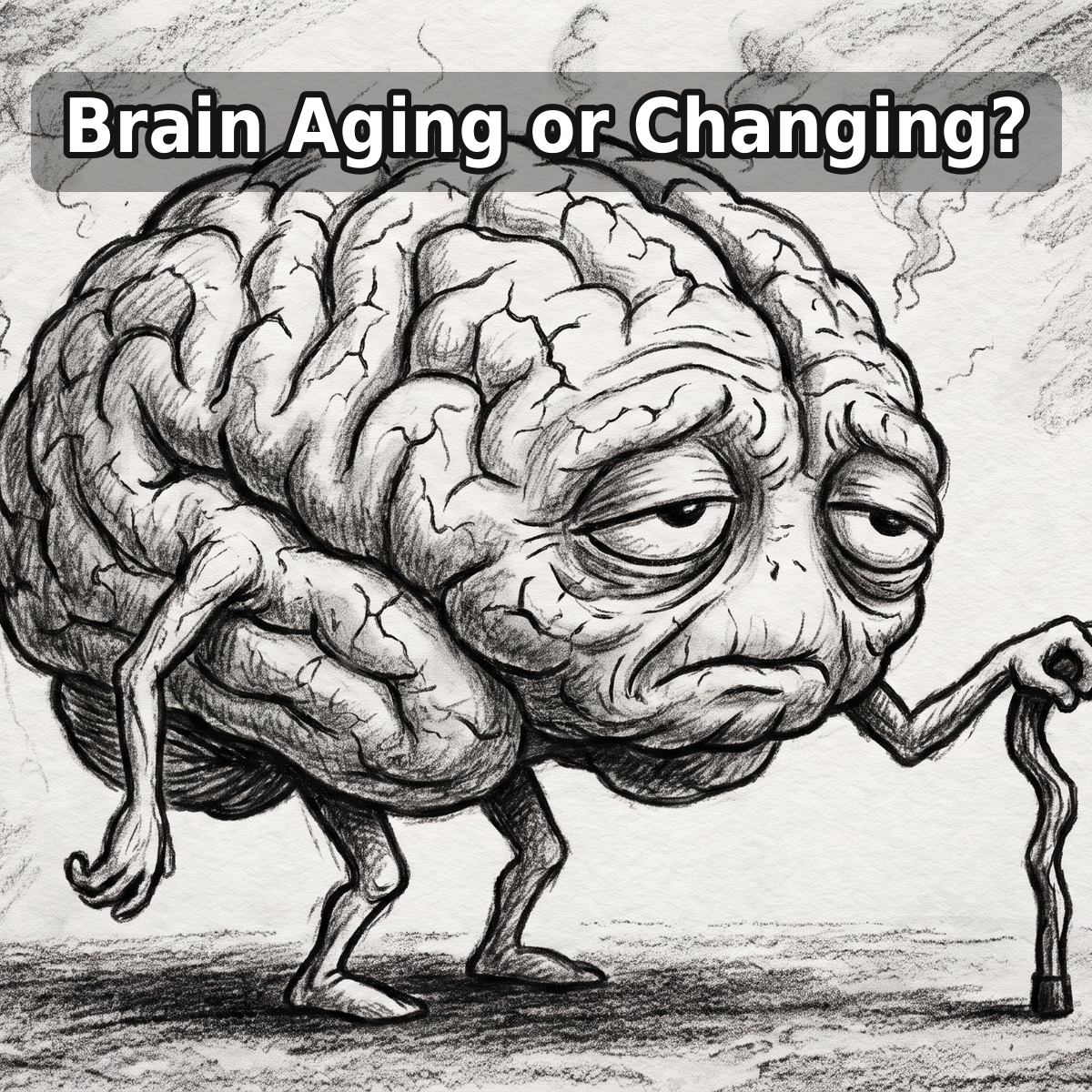
Day 361 – Is the Brain Getting Old or Just Changing?

As we age, our brains may shift from remembering every detail to focusing on meaning and wisdom. This natural cognitive shift, supported by research from the University of Arizona, suggests that difficulty recalling minutiae isn’t a sign of decline but an adaptation towards higher-order thinking.

Read More

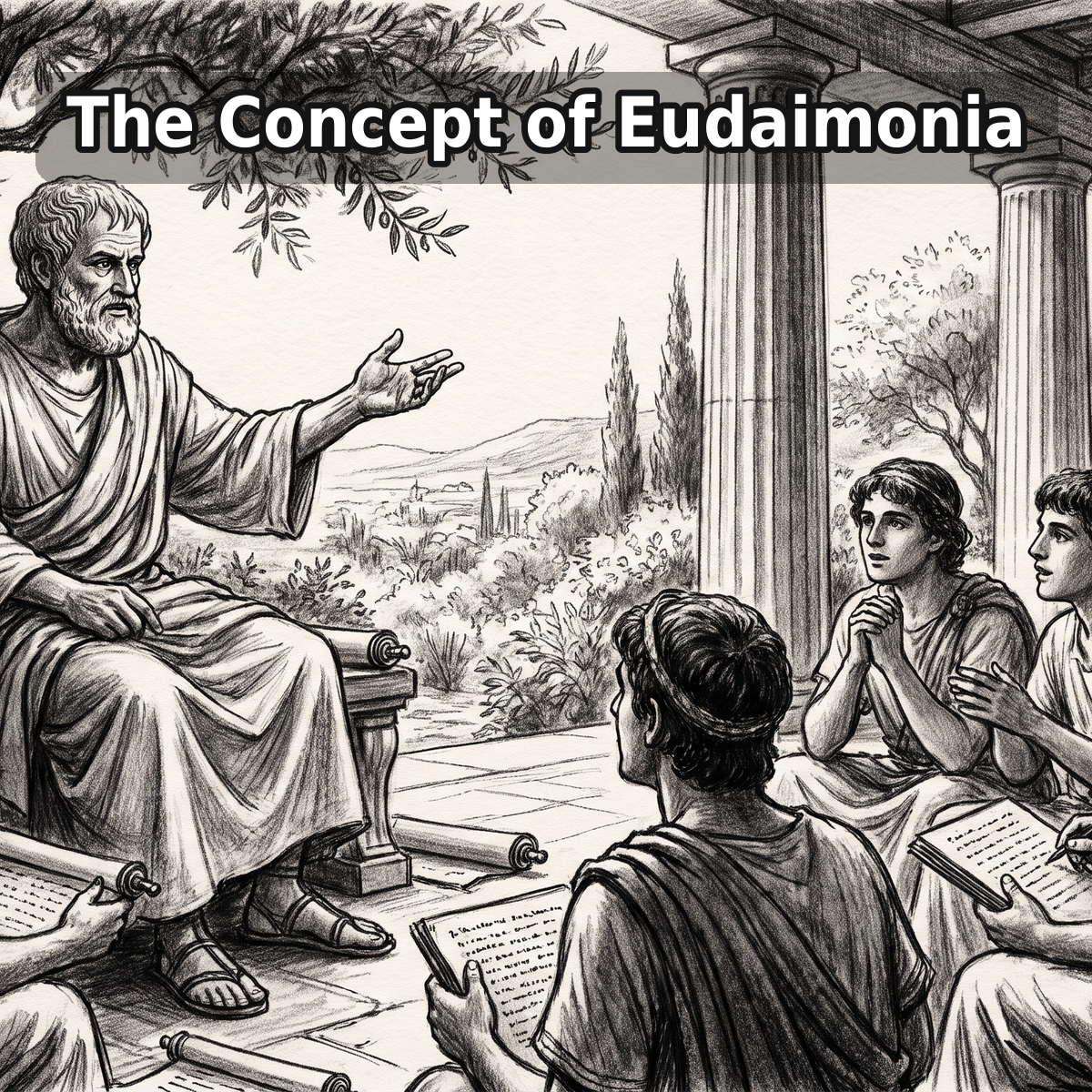
Day 360 – The Concept of Eudaimonia

Aristotle’s concept of eudaimonia, or the highest human good, suggests that true happiness comes from aligning our actions with our cherished virtues over a sustained period, rather than from fleeting pleasures. This involves living a life that feels purposeful and authentic, even through struggles.

Read More

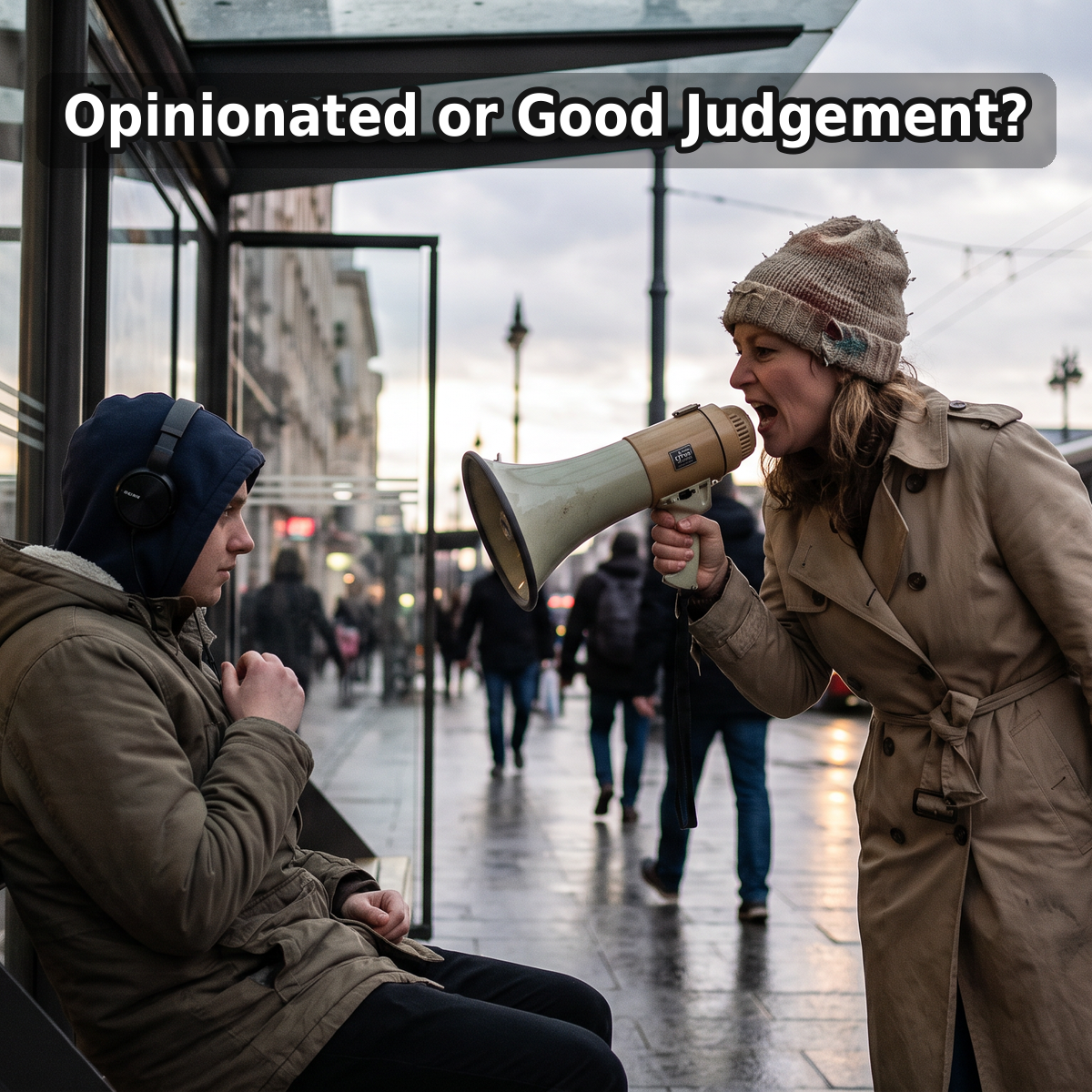
Day 359 – Opinionated or Good Judgement?

The distinction between having an opinion and being opinionated lies in how strongly and frequently one expresses their views, and their openness to others’ perspectives. While strong opinions can be admired when backed by expertise, constant and forceful expression across various topics can be perceived as arrogance or exhausting. The key to being seen as having good judgment rather than being opinionated is to deliver opinions appropriately and remain open to new evidence.

Read More
0
Would love your thoughts, please comment.x
()
x