Perplexing thought hit me yesterday. Trying to play minecraft with my daughter. I was not good at playing video games as a child, and nothing has really changed much.

If you have never experienced Minecraft, there is one thing you will find interesting. You can play in a mincraft world, which is generated completely randomly and can be adjusted to be even more variable with a string of digits called a seed code. This creates a minecraft world divided by a series of biomes. Each biome is constructed with chunk and the basic unit of a chunk is called a block. A block is quite literally that, a square block.

What is really interesting is that there are some areas of this world that get randomly generated with these blocks that are quite beautiful. Cascading water falls, giant arches, caves, flowers, trees, and a blending of magnificent landscapes. A few kids run around attacking zombies or each other, but many use the building blocks of this world to create their own ideas.

The point is that beauty is created by a completely random sequence. In life people will look at something beautiful and use that as an argument for a creator, or God. This random generation in Minecraft demonstrates that beauty can be created with completely random artificial construction. Does that disprove there is a God?

Well, perhaps. However, consider this. The basic construction of a minecraft world requires these blocks that have properties and follow certain rules in the environment. Those rules and properties were created and applied to blocks by programmers, or sentient intelligence.

So that is interesting. The beauty was created by a random act, but the beauty would never be possible without the intelligent design behind the construct.

Guy
Subscribe
Notify of
guest
0 Comments
Inline Feedbacks
View all comments
Share the Post:

Recent Blogs

Day 3,243 – One Dragon, Not Three

The author believes everyone needs a ‘dragon’ in their life—a significant, intimidating challenge that pushes them to grow. However, they caution against taking on too many ‘dragons’ at once, as this can lead to recklessness and burnout, ultimately harming other aspects of life.

Read More

Day 3,242 – Learn from Water

This piece reflects on the lessons humanity can learn from water’s passive yet persistent nature. It explores how water achieves remarkable feats through continuous movement, adaptation, and consistency, offering a contrasting perspective to the human tendency to push harder and seek immediate results.

Read More

Day 3,241 – The Five Minute Accumulation

The author discusses the common habit of postponing small, five-minute tasks, which leads to an accumulation of unfinished work. This accumulation not only results in a larger, more time-consuming cleanup later but also creates a mental burden. The author concludes that consistently finishing tasks completely, including these small follow-up actions, is crucial for improving one’s life and avoiding overwhelming days.

Read More

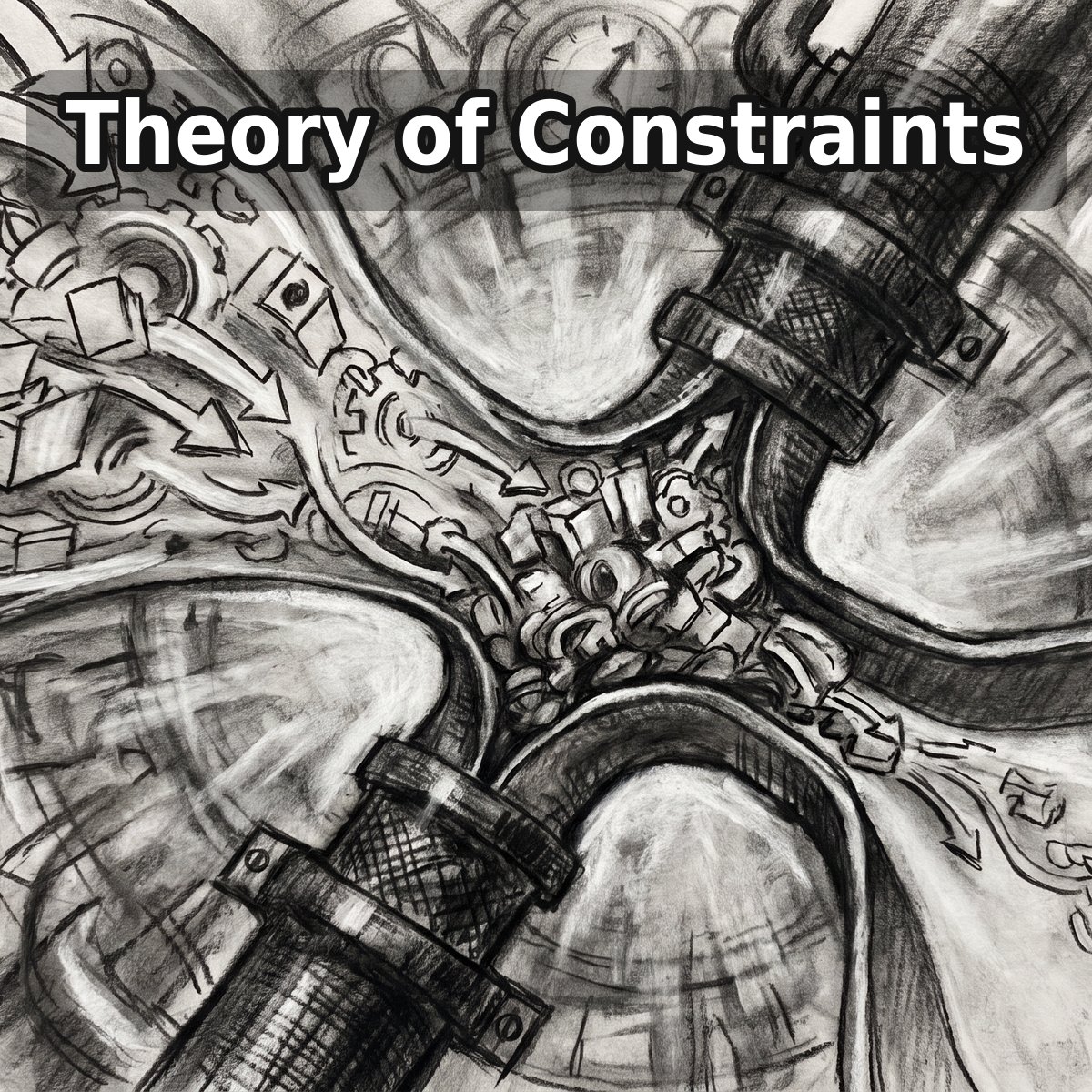
Day 3,240 – Theory of Constraints

This article uses a personal anecdote about charging a non-Tesla EV at a Tesla Supercharger to illustrate the Theory of Constraints. It highlights how Tesla successfully addressed the charging infrastructure bottleneck for electric vehicles, while other manufacturers initially overlooked it. The author then applies this concept to personal lives, suggesting that identifying and addressing the true constraints is more effective than simply increasing effort.

Read More
0
Would love your thoughts, please comment.x
()
x