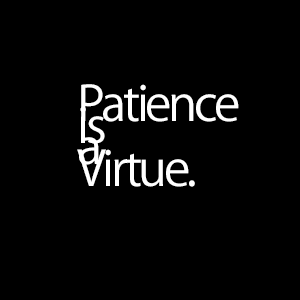
Is Patience really a virtue?

I think my biggest problem is not being patient enough. “Practicing patience,” is a concept that has been completely foreign to me. As I have learned to keep and maintain habits over an extended period of time, I have seen the results of consistent effort. By putting together a program or course and then following it for a while, you will gain results. However, if you quit too soon, you will not.

We all want success now. We want to change our circumstances, now. We want to fix the problem, now. We want to get the reward, now. This creates a problem. We can certainly create a solution to the problem, but if we do not have enough patience to wait for the solution to work, then we get nothing.

So we start to fix something, then bail out too soon. We change our lives, but do not wait long enough. Consequently we become good at changing, but not good at committing. Patience is a virtue is a trite phrase, having origins from a poem in the 1300s. The concept is repeated in the Christian community often, and you here this phrase frequently in passing by non-religious people as well. Why?

I think we all recognize that having the patience to wait for a reward is a good idea. So why do we fail so well at it? This week I plan to really analyze my own weakness is being patient. What is going on here? Is life so short that I cannot wait to see the results of a positive change in my life? Why am I so impatient!?

Subscribe
Notify of
guest
0 Comments
Inline Feedbacks
View all comments
Share the Post:

Recent Blogs

Day 3,242 – Learn from Water

This piece reflects on the lessons humanity can learn from water’s passive yet persistent nature. It explores how water achieves remarkable feats through continuous movement, adaptation, and consistency, offering a contrasting perspective to the human tendency to push harder and seek immediate results.

Read More

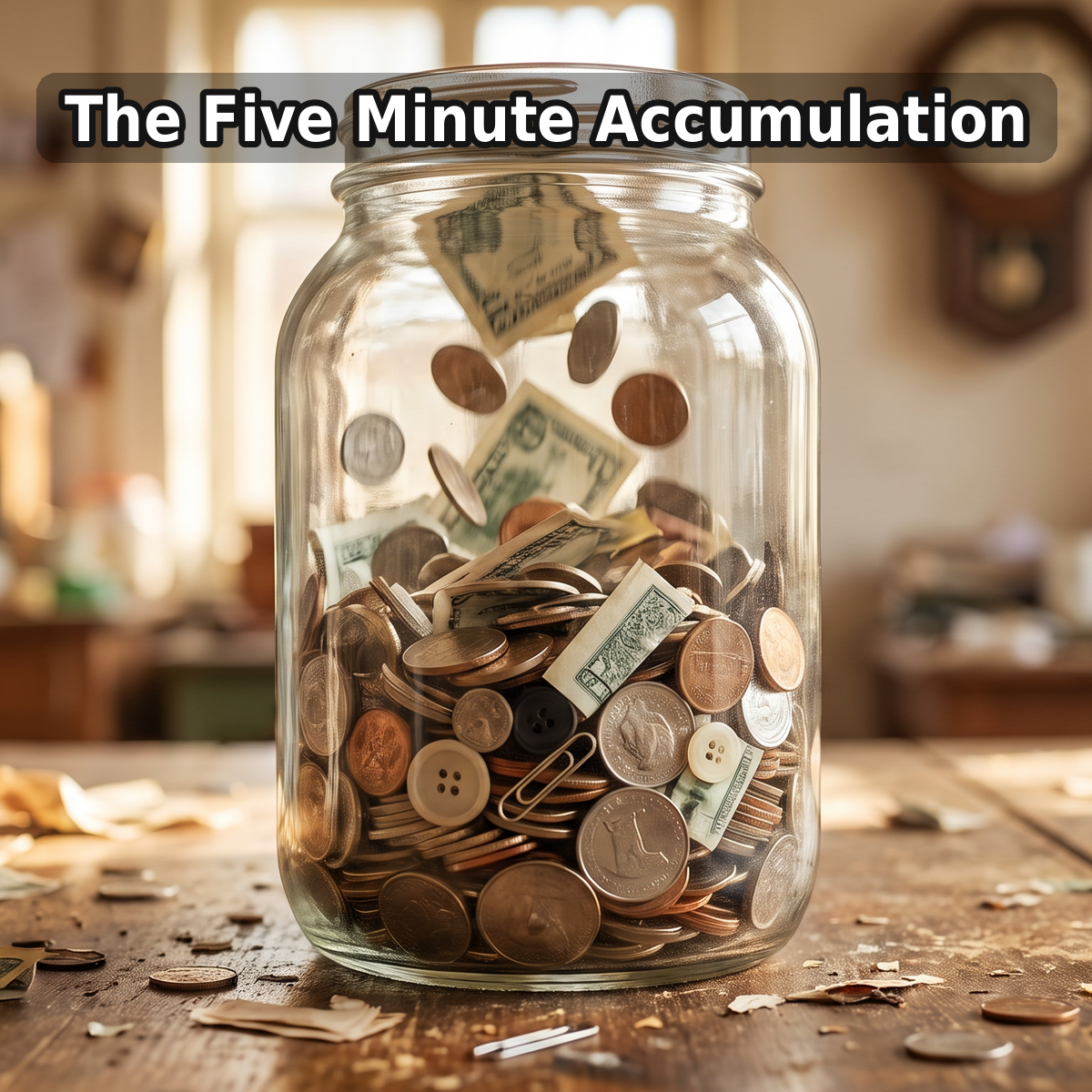
Day 3,241 – The Five Minute Accumulation

The author discusses the common habit of postponing small, five-minute tasks, which leads to an accumulation of unfinished work. This accumulation not only results in a larger, more time-consuming cleanup later but also creates a mental burden. The author concludes that consistently finishing tasks completely, including these small follow-up actions, is crucial for improving one’s life and avoiding overwhelming days.

Read More

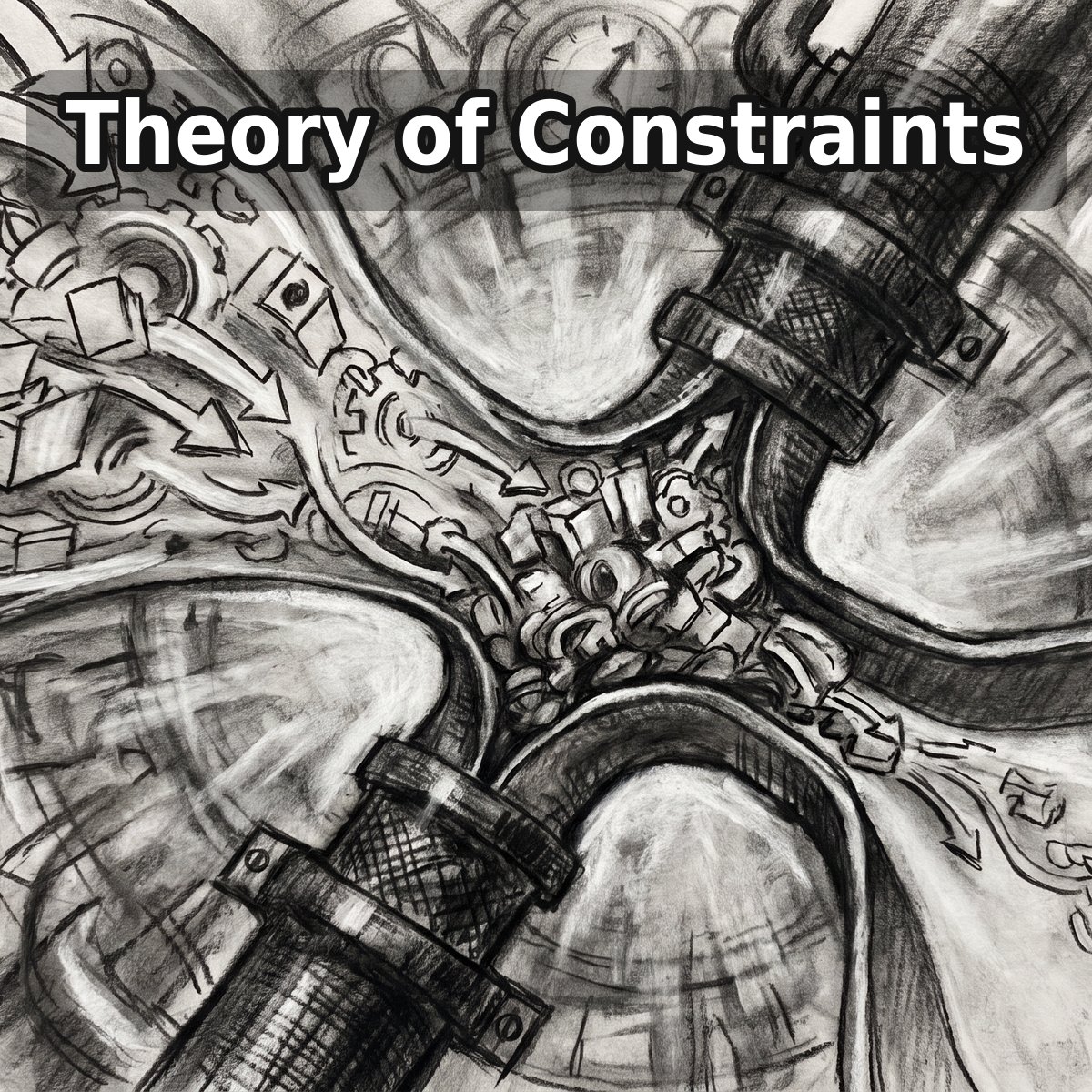
Day 3,240 – Theory of Constraints

This article uses a personal anecdote about charging a non-Tesla EV at a Tesla Supercharger to illustrate the Theory of Constraints. It highlights how Tesla successfully addressed the charging infrastructure bottleneck for electric vehicles, while other manufacturers initially overlooked it. The author then applies this concept to personal lives, suggesting that identifying and addressing the true constraints is more effective than simply increasing effort.

Read More

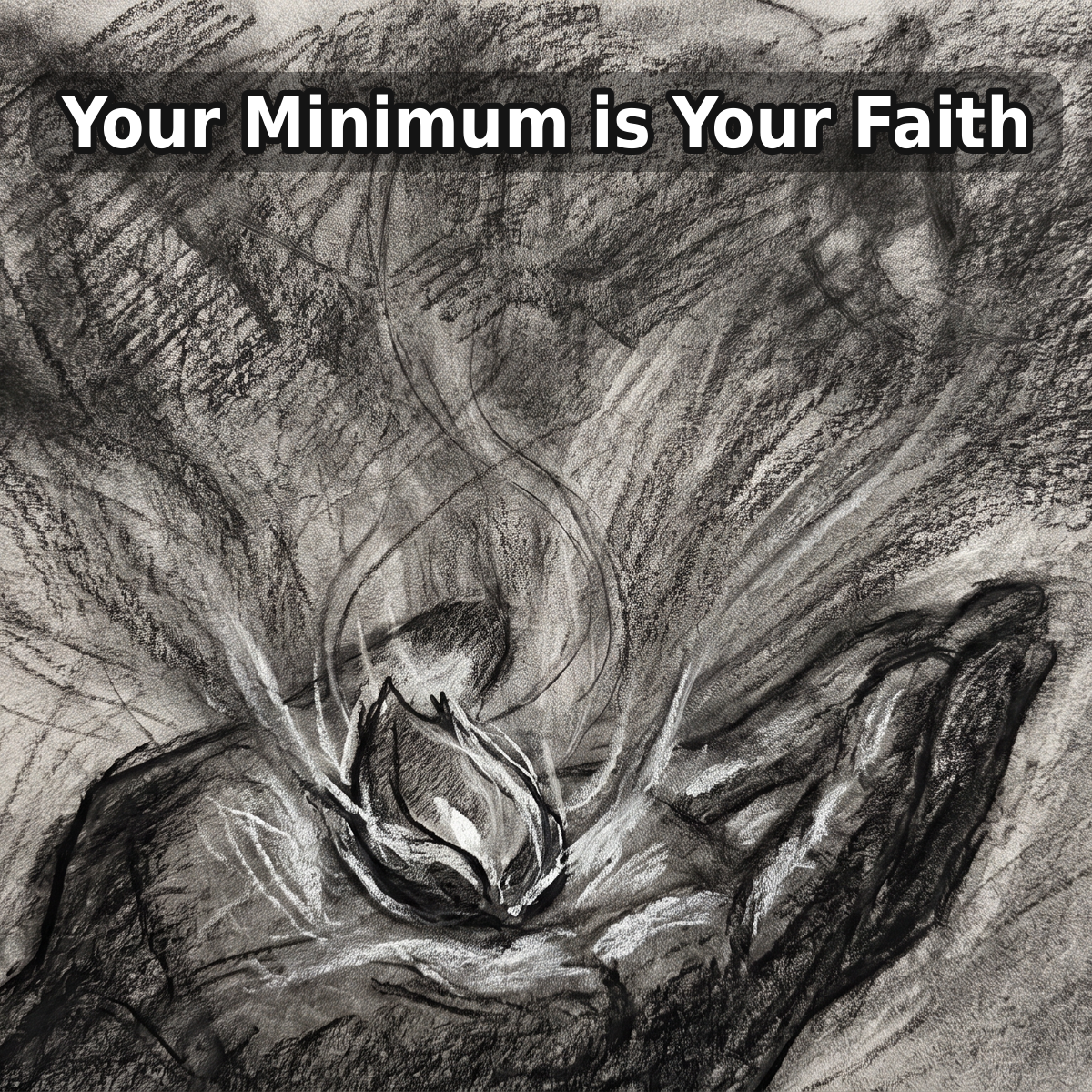
Day 3,239 – Your Minimum is Your Faith

This article explores the relationship between faith and the consistent effort we put towards our ambitions. It argues that the true measure of our belief isn’t in bursts of intense effort, but in the minimum we are willing to contribute daily, especially when motivation wanes. This daily minimum is presented as a practical expression of faith, demonstrating our commitment to a desired outcome even when results aren’t immediately visible.

Read More
0
Would love your thoughts, please comment.x
()
x