Too bad we cannot store energy for later use. Bottle up our energy and enthusiasm into some sort of consumable object and then use it when needed. Sort of like a potion of mana or whatever an adventure game would call this concept. Humans do not have this capacity, other than fat reserves. I guess we have that ability. We can store fat for later consumption and our body knows how to extract it when absolutely needed.
If you think about this concept further we do have this ability in an abstract sense. We have the ability to store our energy and enthusiasm with products of our intellect. Things that can work for us. A blacksmith spends a ton of energy gathering materials and then constructing a pick axe. Now that device reduces the amount of workload it takes to do the task again. In essence the blacksmith used the energy to create a device that would reduce the workload in the future.
If you think of it this way, we are actually living on the stored energy of our ancestors. The people that came before us put all their energy into creating things that would make our lives easier in the future. Just think of all the compounded energy we are utilizing today. So many things that make our lives easier. The light bulb that burns and allows us to get more use of our day. Just think of how much energy is saved by simply being able to have light when we need it. Fascinating really to think of all the human intellect has been poured into saving us time, preserving our lives, and extending our capabilities.
Simple things like a forklift have had such a dramatic effect on workload, it is incredible to think how that invention. Eugene Clark created a machine to make the material handling job easier and more scalable. Simple. Brilliant. Increased the amount a human could perform dramatically. I asked my Great Grandmother once, what was the single greatest invention that she saw come about in her lifetime. I was expecting her to say the lightbulb, indoor plumbing, automobiles, or perhaps the telephone. She saw all these come about. What was the greatest invention she saw?
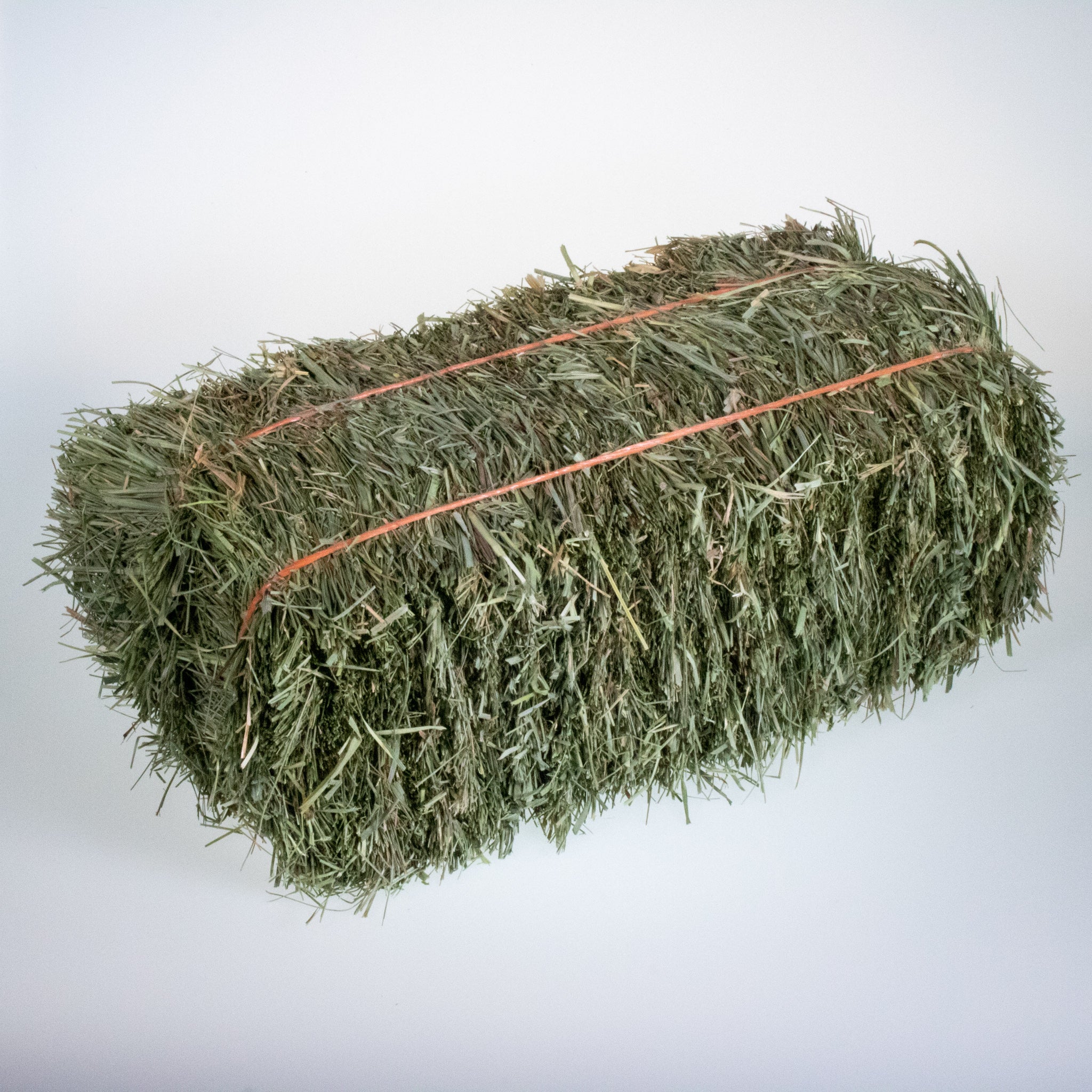
The automatic hay bailing machine. That is right, the machine that collects hay, and automatically gathers it and then ties a cord around it and spits out the hay in a tight square bale of hay. If you think about it, the amount of labor that goes into gathering hay and getting that hay to farmers to feed livestock is tremendously labor intensive. The hay machine changed all that. She said when they saw one of those work, they all just stood there slacked jawed as if they had just seen an alien land and greet them in Vulcan.
Stored energy. She says that machine changed the life of every person in her community.