More reading of Psychologist blogs early this morning. This time I read one from Joanne Cantor. She write a lot about getting past “Cyber Overload.” There are a few folks now saying that in the next 10 years there is going to be a kick back against carrying distraction devices with us everywhere. It is already happening I have noticed. I am actually considering carrying a flip phone with me and storing the distraction device in my backpack instead, with the power off. The analog revolution seems to be real. First it was turn tables making a come back and now I see more and more analog watches. The tactile nature of being human makes us long for connection and contact with our world and all this digital straight into your brain stuff is getting a little annoying.
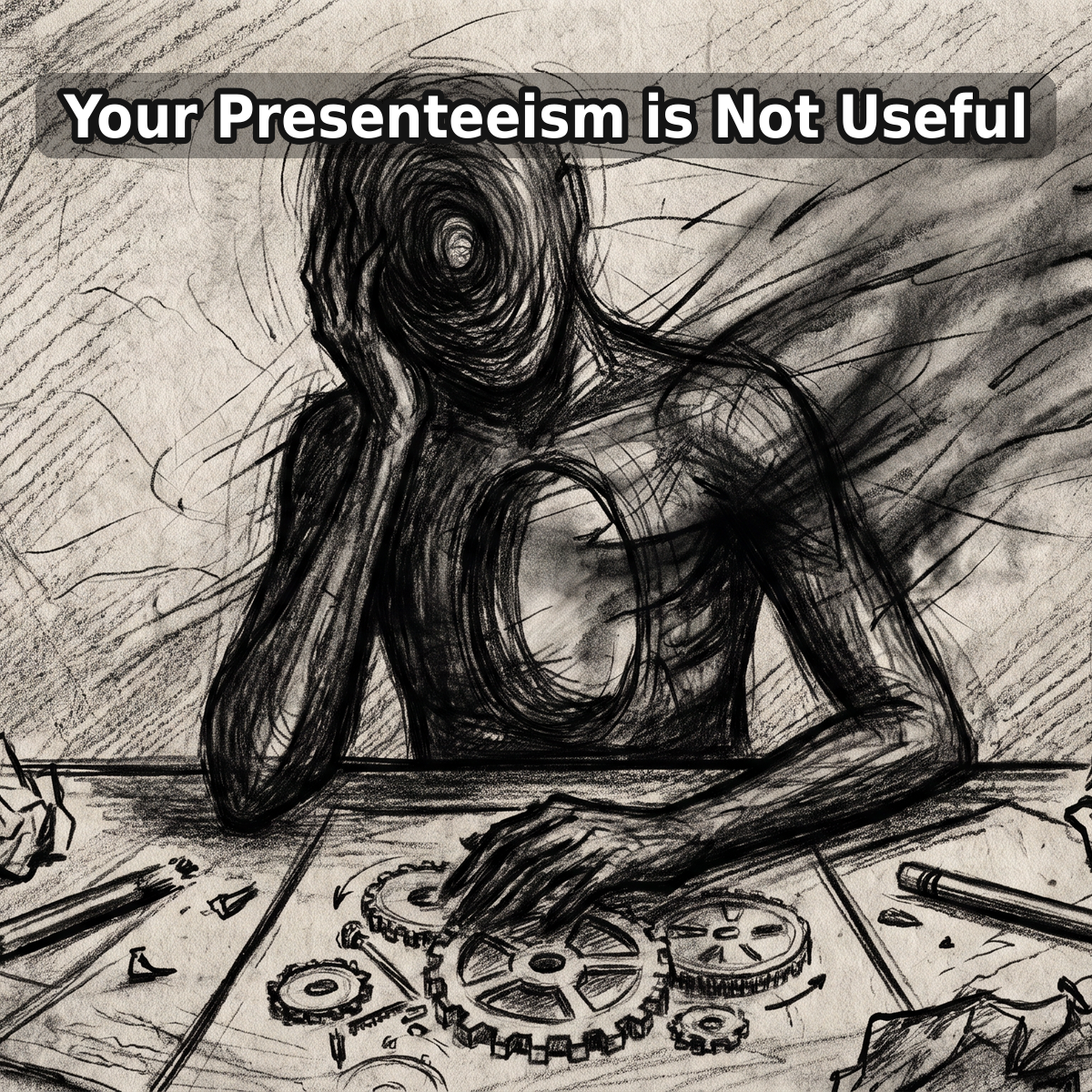
However, here is my problem. I started on this campaign to completely remove all distractions from my work environment. Put my phone on silent, and hide it away when I am working on an important tasks. Not keeping outlook open when I am focusing, shutting down all web browsers. I have gone back to paper on a few things. I am just spending time working on a problem, or coming up with a plan then I will push the laptop away and just work on that. The problem is that once the distractions are free, then I am left all by myself with NO excuses. The only thing I have is to complete the work in front of me and that..well..sucks! You see, I like distractions. They are not unwanted…they are wanted! That is the problem!
When I have something to do, then suddenly I remember that I have not checked my facebook account in 20 years, so maybe I need to do so now! It suddenly becomes important to do so! Why?
Well as it turns out being creative, or creating something takes some significant brain power and by its nature is lonely work. This makes us intuitively crave human interaction. So we are reaching out in anyway we can, to find that interaction to help reduce the impact of the loneliness that accompanies a creative endeavor. To reduce this, it is important to make sure you get a fresh and healthy dose of human connection PRIOR to performing your creative and lonely work. If you do not, then you will find yourself craving something, anything to distract you. Even introverted people like myself, need human interaction. I can probably stay focused longer than some people, due to the nature of my personality. I would actually enjoy being in isolation – but only for so long. Everyone needs that connection. If you are extroverted, then you will really struggle with attention focus if you do not adequately deal with your need to connect to others prior to embarking on an effort to focus your attention.
Sometimes you also just need a break, even though you do not think you do. When you start paying attention to every little blip and bing going on around you then it could mean that you need to take a real break and then come back when you can focus. So if you find yourself excited by each distraction, then maybe you do need to take a constructive and purposeful break from the action.
The last reason that we might want distractions is because they are actually addicting. There has been some research done in dopamine levels when people get a new notice or popup on their device, computer or whatever. There is actually a chemical reaction to it. You ever suddenly start feeling better and more awake after that long drive when suddenly you see a billboard or a building after a long time? That is the dopamine hit. We get it when we find something we were not expecting in our mailbox or whatever. I have no advice on this one, just recognize that it is there and there is a reason why you keep hitting the refresh button on your email.
Guy Reams