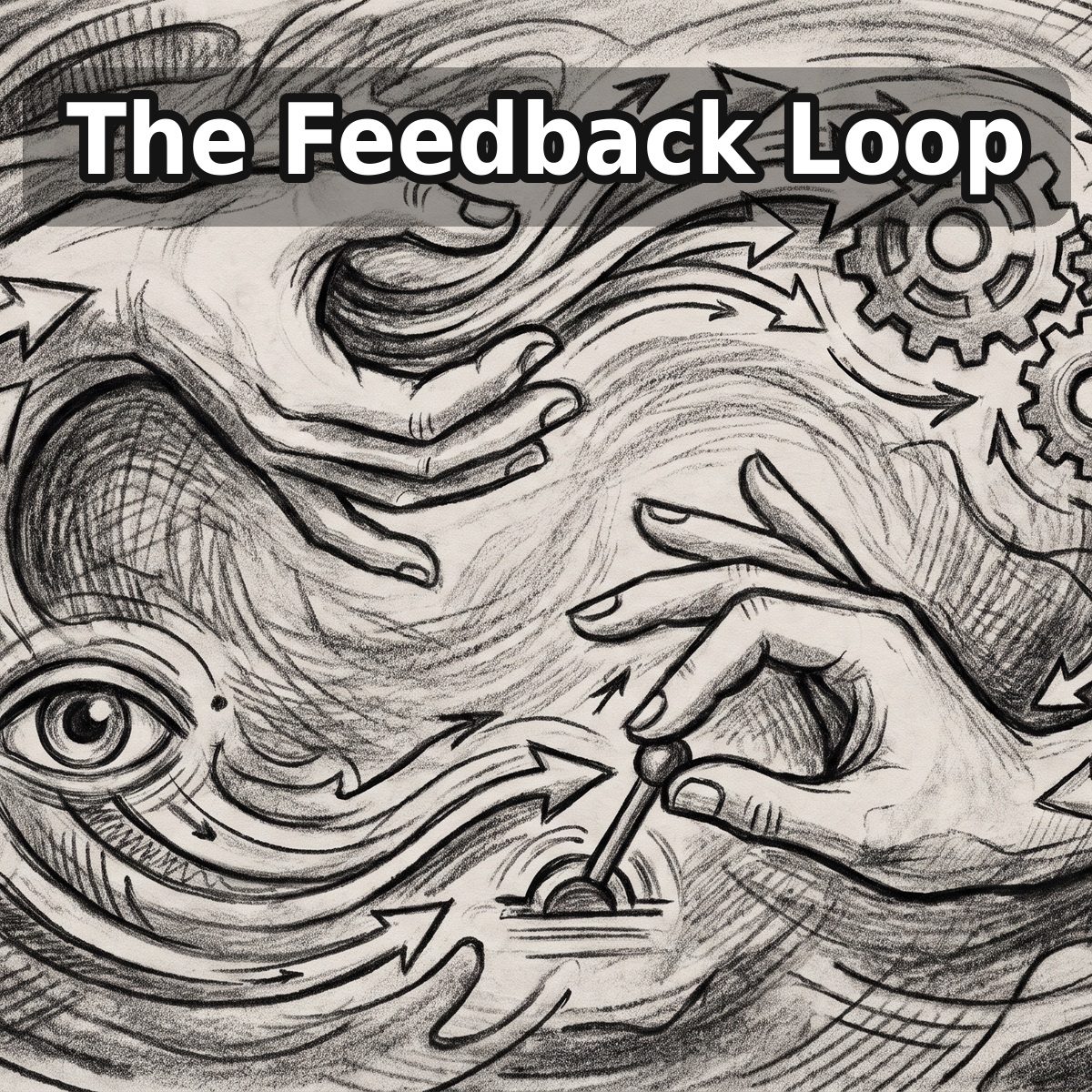
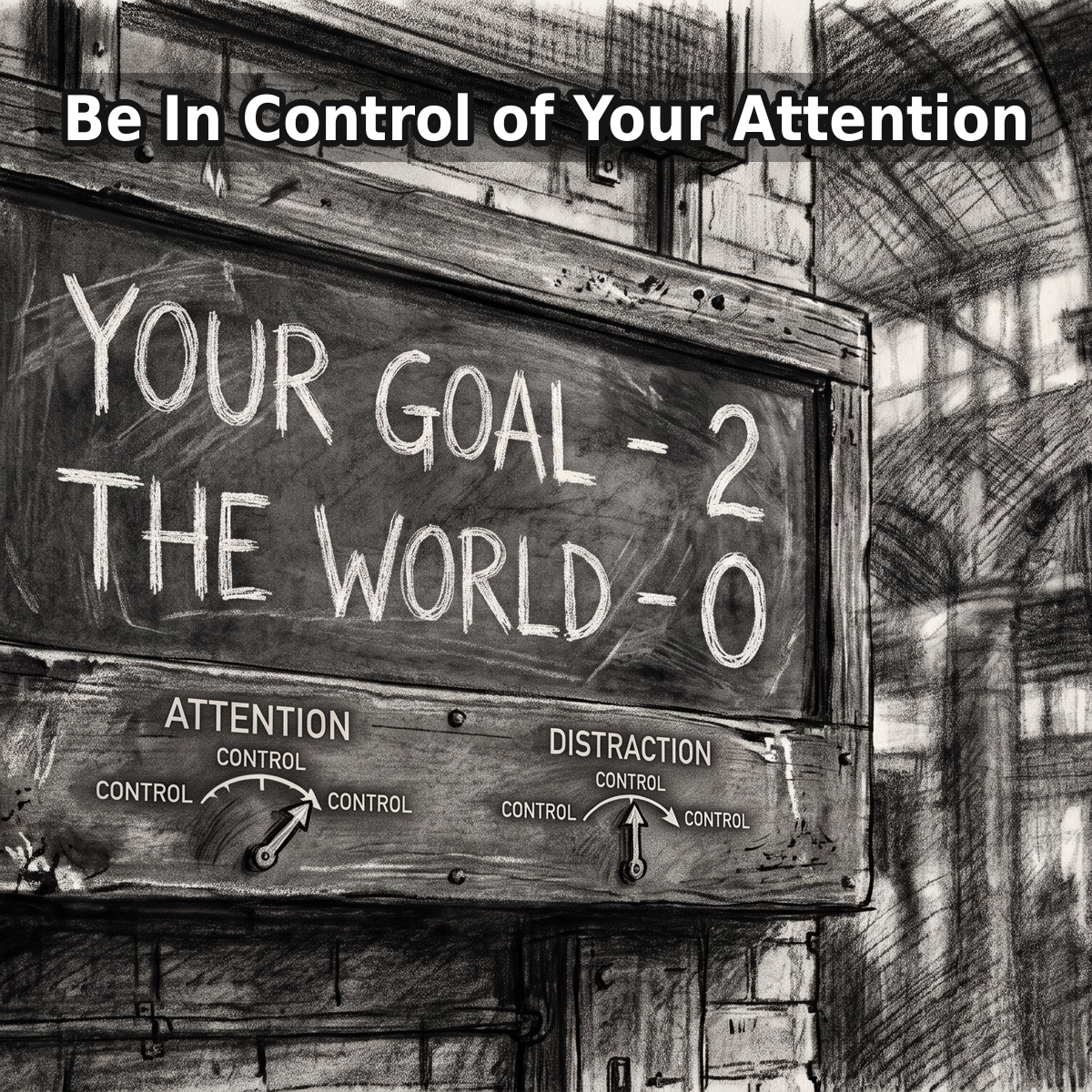
I keep coming back to something that I learned in Ray Dalio’s Principles book, which is this concept of being the observer. This means to have the ability to observe what you are doing, what you are accomplishing, how you are interacting with others almost as you would look at a machine. For example, if you were a machine that made ice cream, what would you be observing? You could easily come up with some metrics on this. I imagine the quantity and quality of the ice cream would be a starting point. Perhaps we could get advanced and think about the efficiency in which we produce those two outcomes. The point is that you would have a really dispassionate view of this machine and be able to make some pretty clear and level headed decisions regarding how that machine is doing. You would be able to implement changes easily, because the outcomes are rather clear.
We are complicated creatures, far more complex then a machine that makes ice cream. However, if we were to be the observer of our own selves, we would most likely want to break this machine into distinct observable subsystems. That would be the only way to make sense out of a human. If we go down that path for a moment, you have to really consider the impact of that concept. Let me take one of my primary outcomes as an example. I need to generate an income that can support my family and its needs. I can take an observer role and consider how the machine is doing at that particular task. I think the outcomes can be clearly identified, the process is certainly simple enough. The question now becomes, how is the machine performing? If it is not performing at expectation then what is wrong? What is causing the machine to not perform at the expected levels? Looking at myself this way, produces interesting results.
If I was looking at this as not the observer, then I would let my personal wants and desires to enter the equation and I would not be making a rational observation. For example, we might hold on to a job because of some good self fulfilling reasons, but we could be completely failing at the outcome of providing for the family. Or we may discover that our expenses are out of control, because you are being impulsive and not operating efficiently. The job is adequate, but you are very inefficient in the consumption of the resources that you have! There are a lot of other subsystems that we could generate to view ourselves in this manner. We might look at our health, our relationships, our financial situation and any other responsibilities we have.
When you observe yourself through this lens, you start to clearly see where you are being impacted by external sources or perhaps internal primal impulses. You might have someone influencing you that is continuously causing a disruption to the productivity of the machine. You might have an addiction that is being fueled by some primal urge that you do not have control over and it is completely throwing a wrench into your machine. On a normal day, you will find ways to excuse that away or hide from the reality. However, in observer mode, it is really had to hide from the very simple facts. The machine is producing the desired result or it is not. The question the observer wants to answer is why – and if you can develop this ability – you will be a lot close to mastering your mind.
This approach may sound too clinical for you. I somewhat agree with that. However, having an computer science background, this is the way that I look at the world. I am sure you can come up with your own analogy or methodology of developing a higher mind that has the ability to look down upon your own life and come to accurate conclusions that lead to real actionable changes. I imagine that many of us go through life never having this form of introspection. I encourage you to change that. Many of us are are aware of the need to do this, but avoid it, because we know we will not like the result. I understand. Been there. I would argue that until you have the courage to take an honest look at yourself, you just will not achieve success anywhere else. Stop looking for problems, when the real problem is right in front of you. I think there might be one or two people that do this on a regular basis – to those of you – I would encourage you to share your technique with others and help them. You are in a very small minority of humans. I am just learning to do this after a half century. Perhaps you can give someone a nudge to get to this point of actualization a lot faster!
Guy Reams
365 Alumni
18 Days Left to 1st Marathon