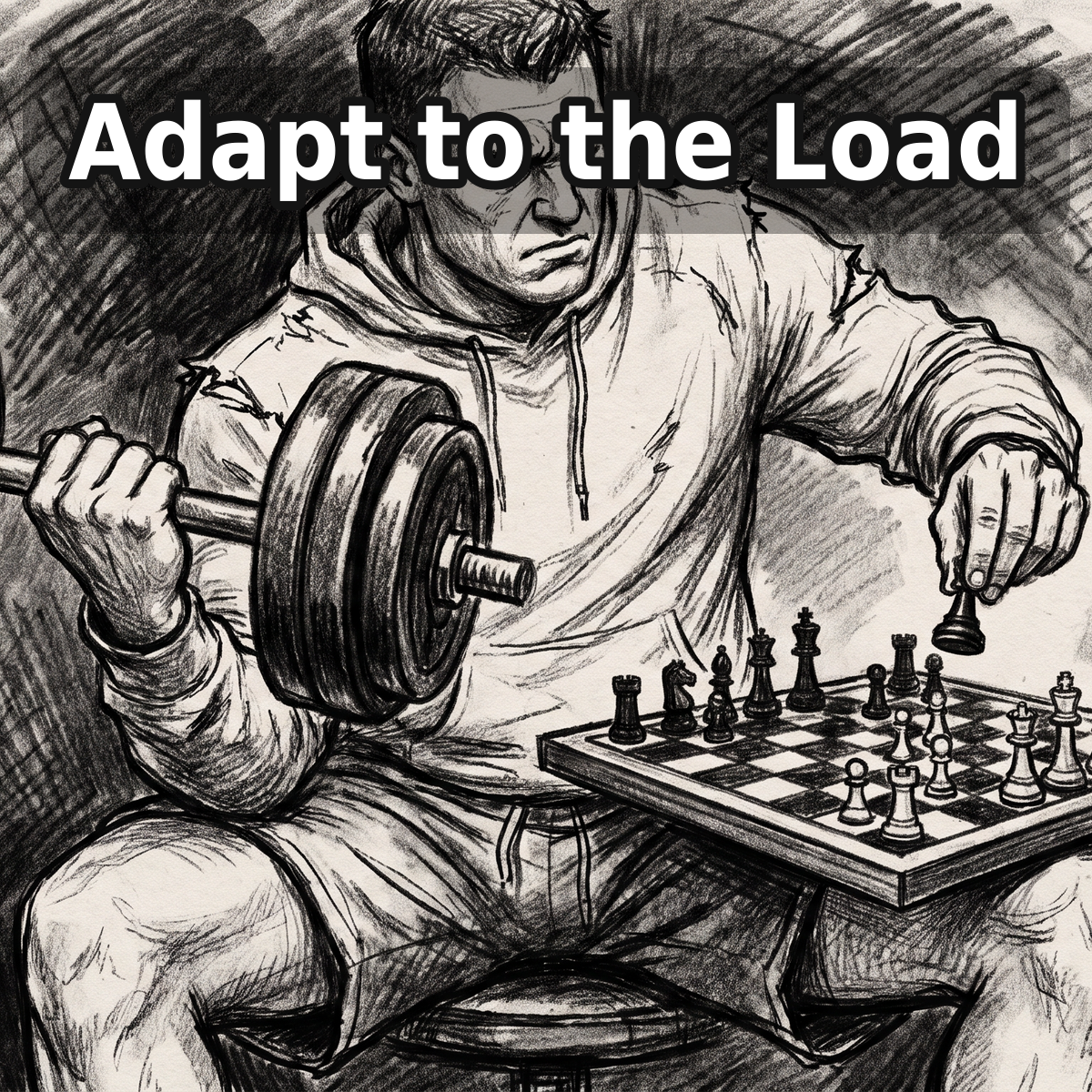
When working toward a goal adjusting how you go about things (strategy) is important.
The first Olympic Triathlon I competed in is a good example. During the swim portion of the race I charged into the water with the crowd. Arms and legs were flailing all around me and I found myself continually swimming into the kicking legs of competitors in front of me. So I had to keep slowing down and battling around one person after another. I focused on my form and taking long strokes and staying flat in the water rolling from side to side. I took in large rhythmic breathes – just as I had practiced many times before in this same lake.
As I rolled from side to side taking in huge breaths, equally huge splashes from the kicks and strokes of my competitors hit me in the mouth and caused me to respirate and swallow a ton of smelly lake water! AHhhhGGhhh! Glug! Bleaah! This was unexpected and added an unhappy dimension of difficulty to the the mile-plus swim. I had to stop several times coughing up water and nearly barfing as I burped up water that smelled of fish farts – I’m pretty sure such things exist, based on my experience.
I emerged from the water and completed the 25 mile biking and 6.2 mile run portions, the effects of the lake water in my lungs and stomach stayed with me, if not debilitating – definitely not helpful.
But, I learned from this and adjusted the next year! This time I swam on the left edge of the crowd, sure I might need to swim a bit farther because of the arcing nature of my trajectory around the crowd, but the water was calmer and the splashes and waves coming at me only came from my right side. Instead of breathing from both sides as I swam, I only took breathes from my left side. These changes in strategy caused an immense improvement in my comfort level and in my swim time, and led to an improvement of my overall time from 3hrs 20 min the previous yer to 2hrs 52min, a 28 minute improvement!
I am swimming in some choppy waters these days, not in a lake, but in life; so, I need to remember this lesson from my Triathlon days to adjust how I am doing things to avoid breathing and swallowing metaphorical mouthfuls of smelly lake water!
When things are not going as expected, figure out what the problem is and adjust your game. Seems simple . . . and it is. I can’t blame the lake, I can’t be resentful of the other swimmers, or even the race itself. I just have to figure out how I can adjust to improve my performance and experience.
Ben Wagner (187)
Member The 365 Commitment