When times get tough there are two basic attitudes that you can adopt. The keep it going attitude and the throw it all out attitude. The keep it going mindset is the one where you do the minimum amount when it is tough and when the next day comes you pick it right back up again. You do not stress about doing everything perfect, or even right. You just do it anyway. The throw it out mindset is where when the going gets tough you stop doing everything and when the next day comes are faced with the daunting task of starting all over again. This mentality is crippling and is what causes so many stops and starts and ineffective progress. I have had to teach myself the keep it going attitude, it is not my default response. However, now that I have learned how to think this way, being really sick for a few days will not aet me back the way it used to. Guy Reams
Subscribe
Notify of
guest
0 Comments
Inline Feedbacks
View all comments
Share the Post:

Recent Blogs

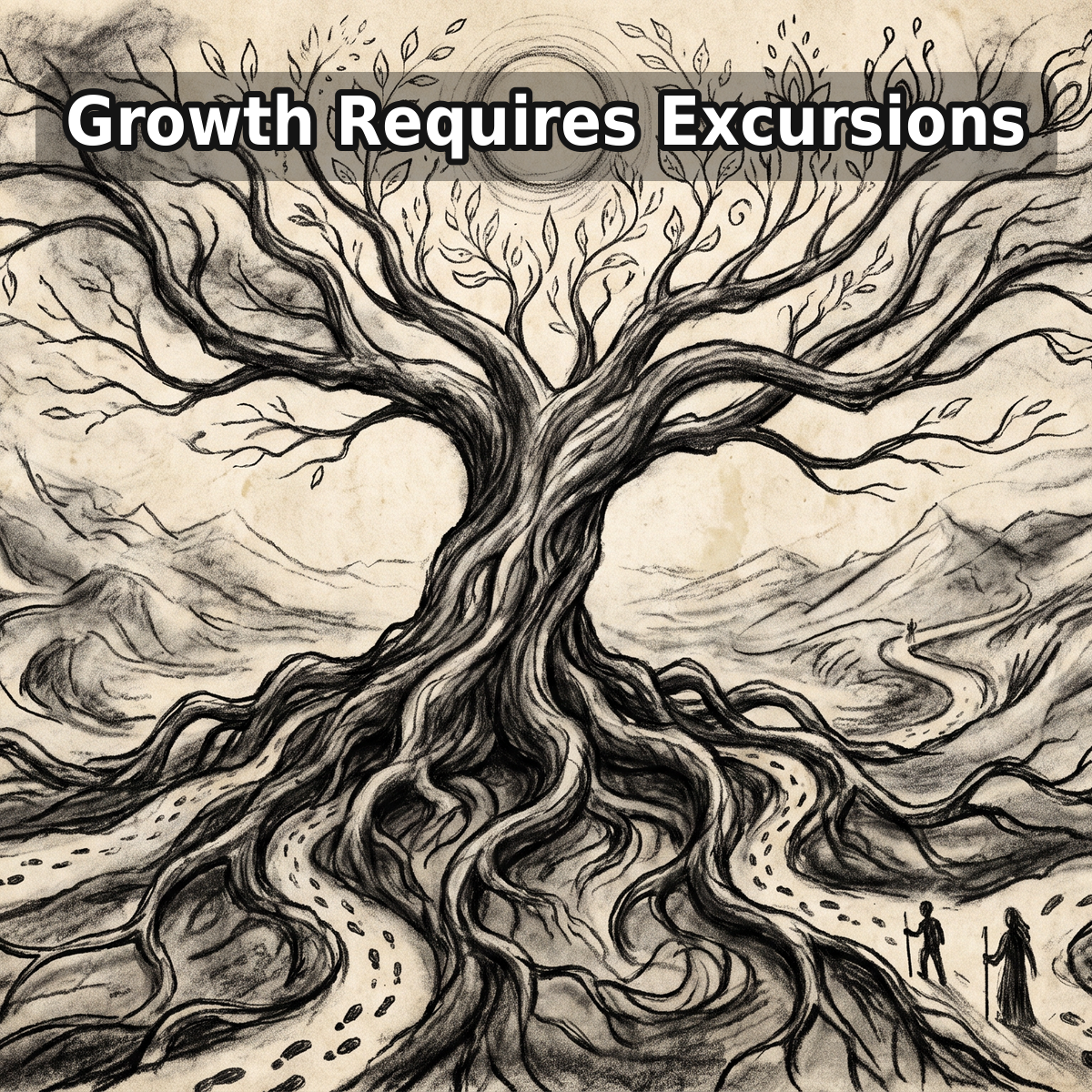
Day 3,227 – Growth Requires Excursions

This piece explores the balance between consistency and growth, using the metaphor of a familiar running route. It argues that while routines provide stability, true growth comes from deliberately stepping outside of our comfort zones and embracing new, sometimes uncomfortable, experiences.

Read More

Day 3,226 – Your Desk Is Your Brain

This article explores the idea that your desk is a reflection of your mind. It suggests that the clutter and organization of your workspace can mirror your thoughts, priorities, and even avoided decisions. The author challenges readers to organize their desks as a way to clear their minds.

Read More

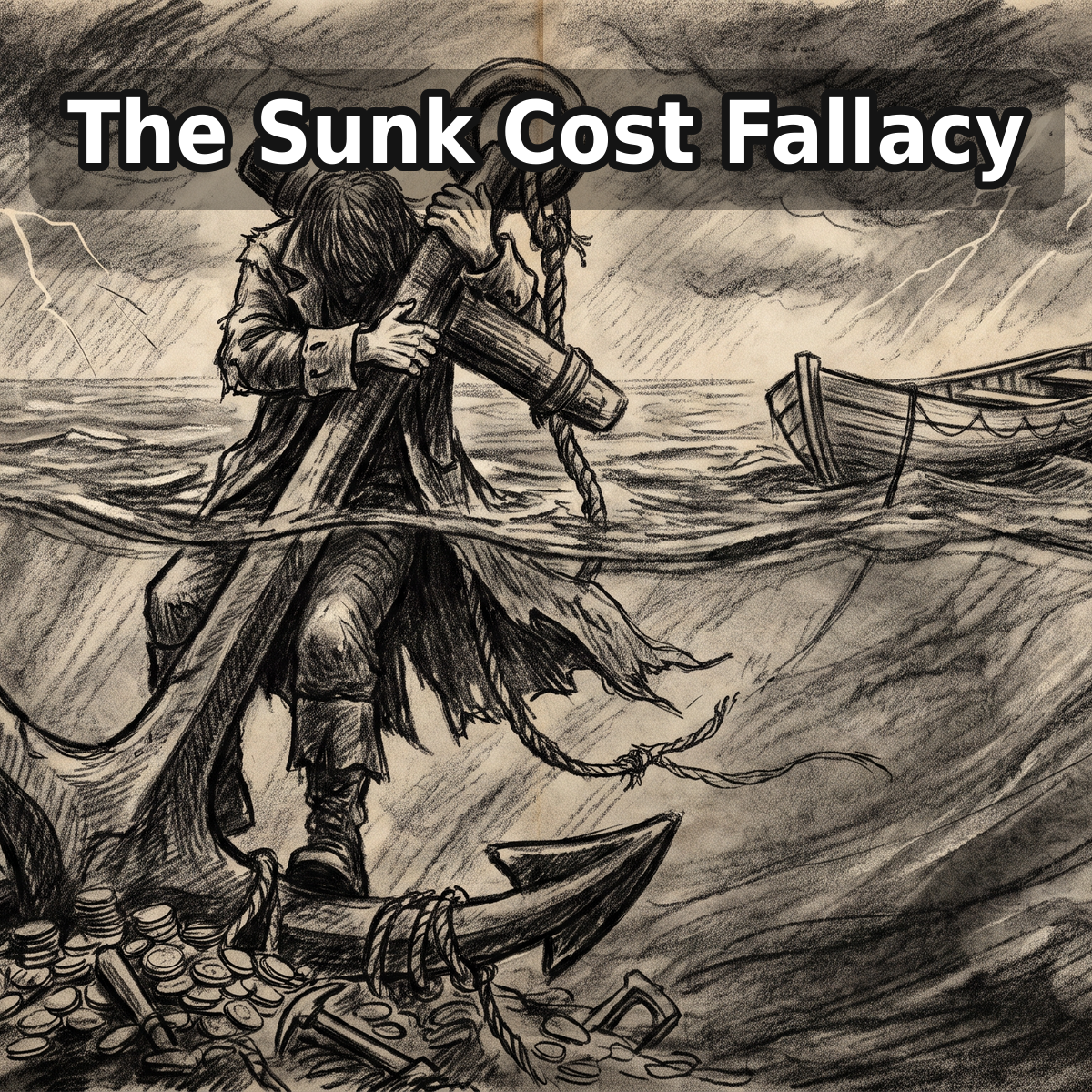
Day 3,225 – The Sunk Cost Fallacy

The sunk cost fallacy describes the tendency to continue investing in a losing proposition because of past investments that cannot be recovered. This often leads to greater losses and regret. The key is to evaluate if future rewards justify additional investment, or if it’s better to cut losses.

Read More

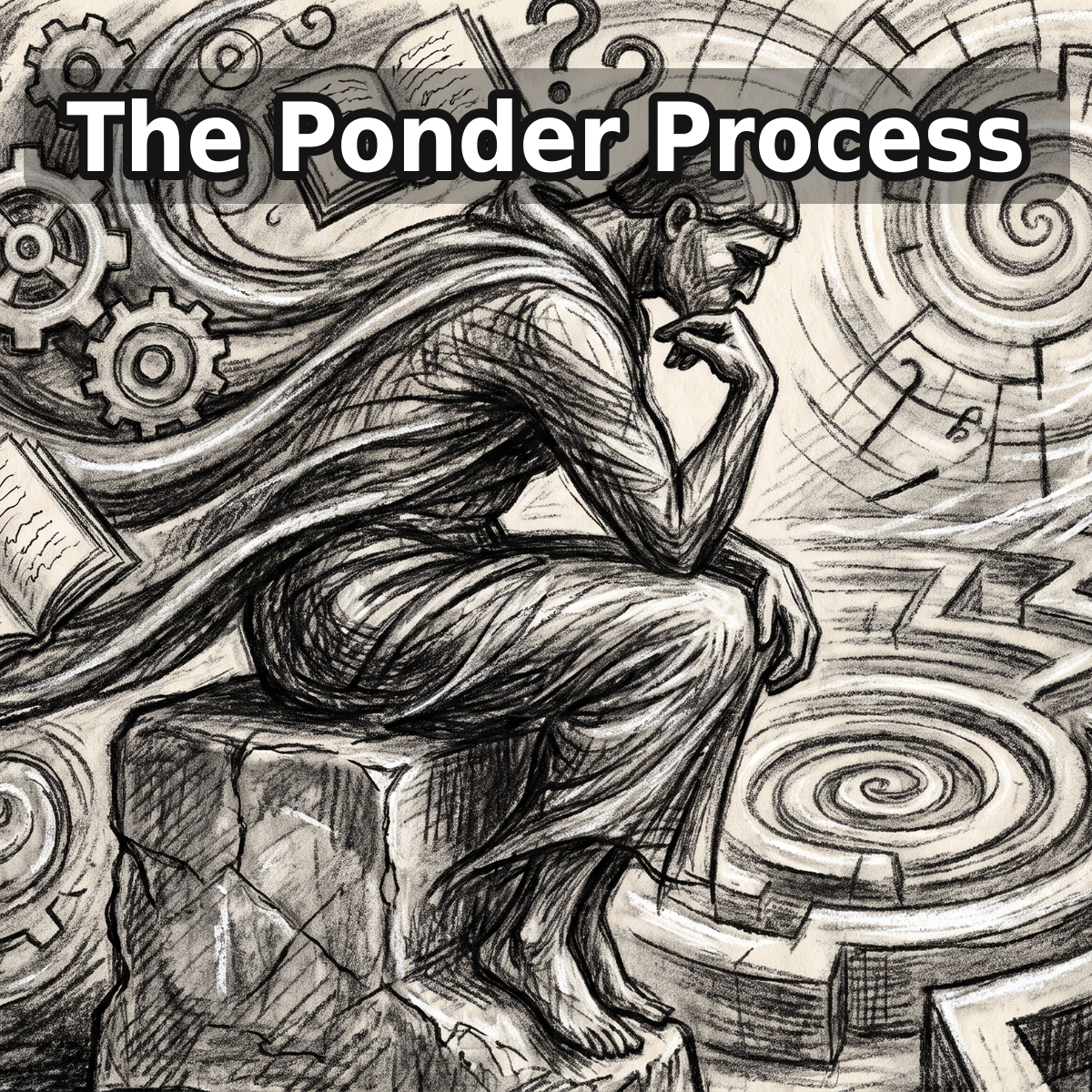
Day 3,224 – The Ponder Process

This article introduces a structured approach to pondering, moving beyond aimless thought to achieve clarity and actionable insights. It outlines a five-step process: defining the specific question, distinguishing facts from assumptions, identifying areas of influence, exploring multiple solutions, and concluding with a concrete action or a plan to revisit the issue.

Read More
0
Would love your thoughts, please comment.x
()
x