In Catholic tradition there is a phrase found in what was once known as the Confiteor. This is said during Mass and there is one part of this prayer, if that is what you call it, where you say the phrase mea culpa, mea culpa, mea maxima culpa. Nowadays Latin is no longer used in most locations, but the phrase basically means through my fault, through my fault, through my most grievous fault.

So here I am. Sitting here right now. Staring at this computer screen. My entire life has brought me to this one moment. All the good and all the bad have brought me to where I am at right now. Anything good, I will certainly claim for myself. Anything bad, I only have one choice but to claim mea culpa. It is my own damn fault.

Mea Culpa is an attitude that expresses that it is pointless, worthless and even prideful to blame anyone else but yourself. All you can take responsibility for is yourself, and therefore, the only person you can blame is yourself. This is probably at the core of what humility is. Take responsibility for your own self and let the chips fall where they may.

Guy Reams

Subscribe
Notify of
guest
0 Comments
Inline Feedbacks
View all comments
Share the Post:

Recent Blogs

Day 338 – What Is Humility?

Humility is often misunderstood as self-abasement, but it’s actually the ability to accurately perceive oneself, including strengths, weaknesses, and dependence on others. This perspective allows for easier learning, improved judgment, and better interpersonal relationships. Humble leaders foster open communication, and embracing humility can be incredibly freeing.

Read More

Day 337 – Principle Artifact Confusion

The author draws a parallel between the barefoot running craze and the current hype around AI coding tools, highlighting the danger of “Principle–Artifact Confusion.” This occurs when a sophisticated practice is reduced to a product, and the product is then mistaken for the underlying principle that made the original practice successful. The article emphasizes that AI should amplify good fundamentals, not replace them.

Read More

Day 336 – Your Presenteeism is Not Useful

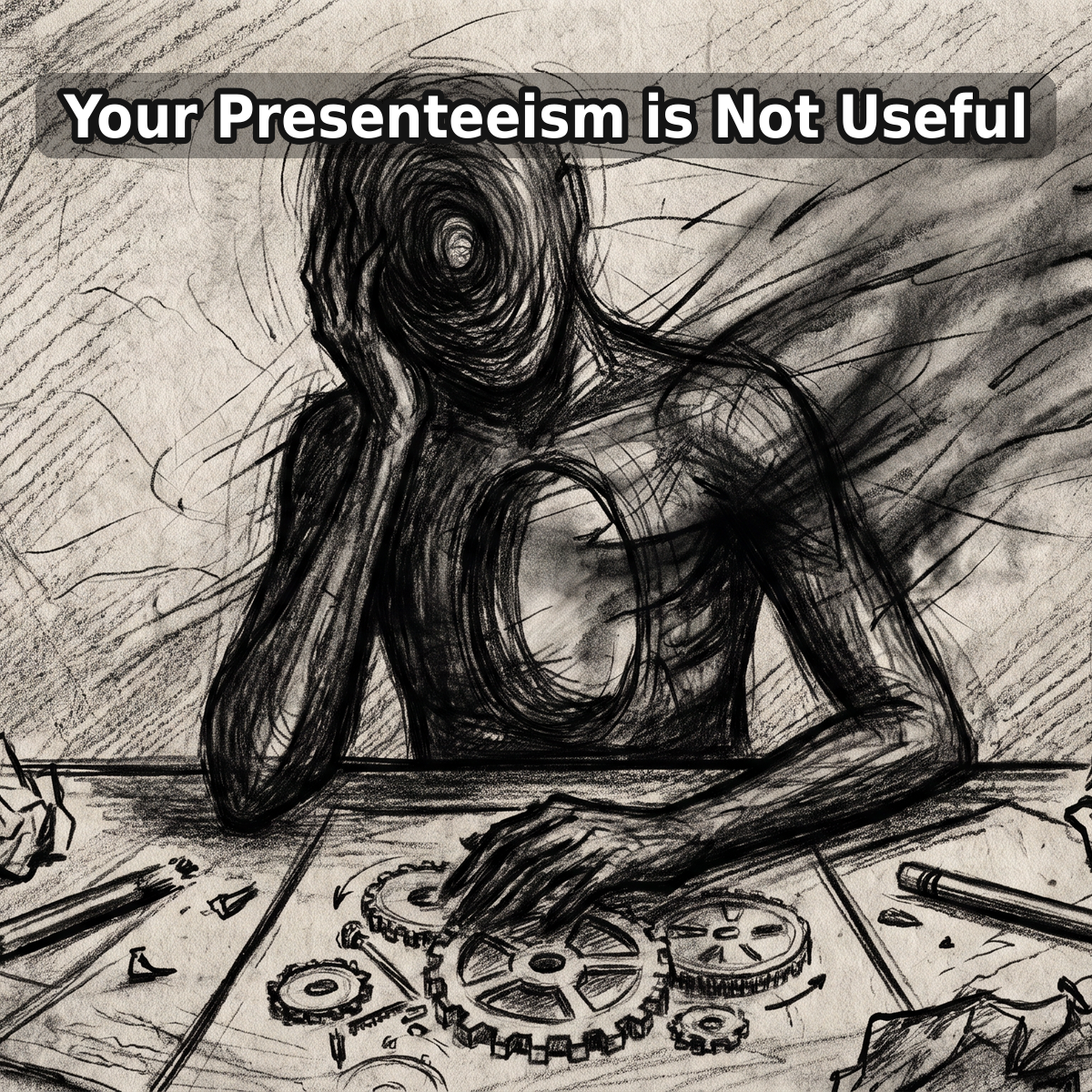
This article challenges the common belief that simply being present at work, even when performing suboptimally, is beneficial. It argues that ‘presenteeism’ can lead to decreased output, increased mistakes, and prolonged recovery, ultimately creating a ‘recovery debt.’ The piece advocates for deliberate rest as an investment in future productivity, emphasizing that true recovery involves activities like sleep, proper nutrition, and disconnecting from work, rather than passive leisure.

Read More

Day 335 – A Life is a Story, Not a Snapshot

This article explores the danger of judging a person’s worth based on their current circumstances, likening it to viewing a life as a snapshot rather than a long trajectory. The author shares a personal anecdote about photographing a homeless man in high school and reflects on how easily we reduce individuals to their present condition. The piece emphasizes that human value is not a snapshot and should not be solely tied to current productivity, advocating for a recognition of a lifetime’s accumulated worth.

Read More
0
Would love your thoughts, please comment.x
()
x