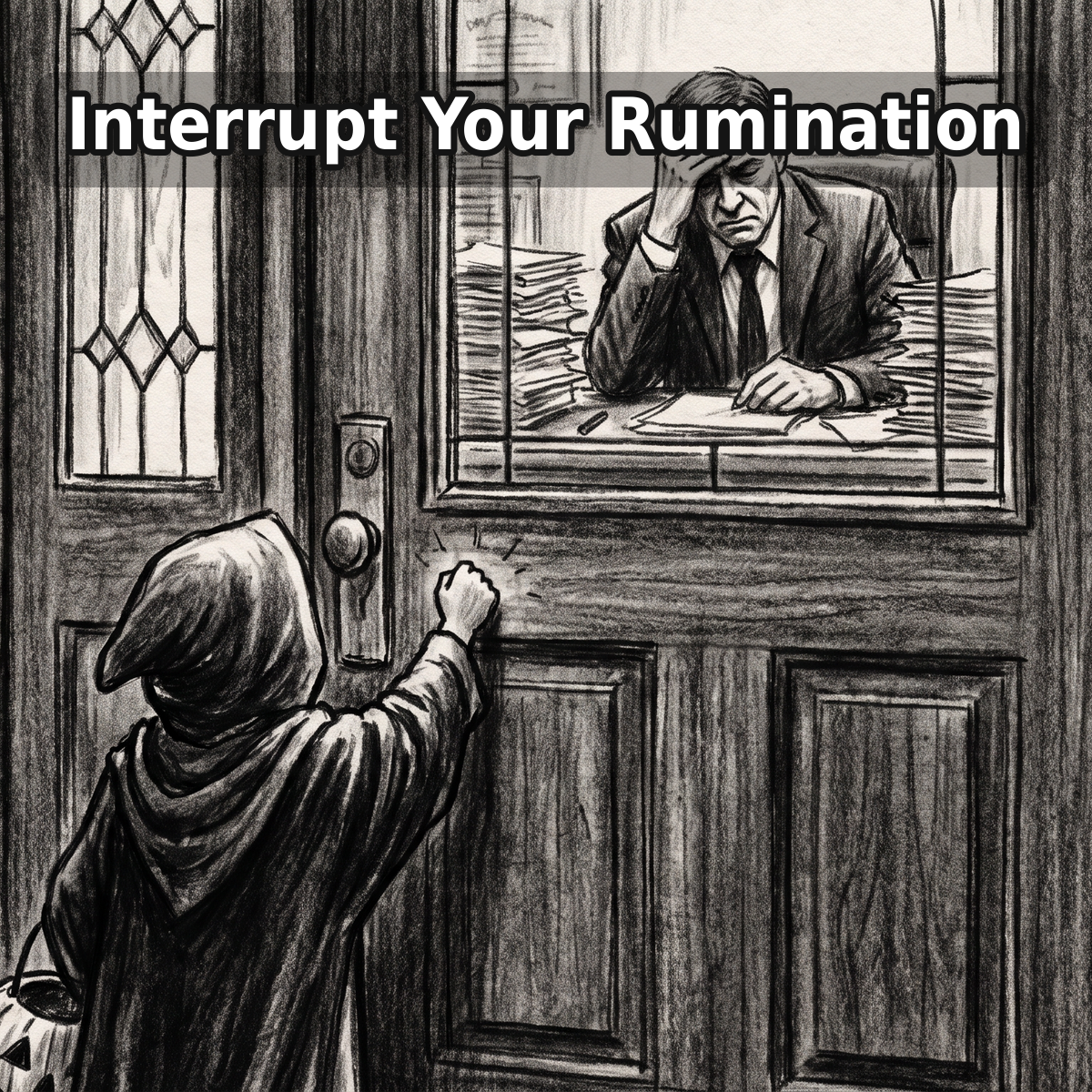
Everyone has them. I have done a lot of reading on this subject. No one escapes them. They are feelings of self doubt and criticism. The nagging voice inside your head that questions your ego. This is a phenomena that has been studied and researched for centuries, because it is a human phenomena. You could almost call it, in a metaphysical sense, the devil, opposed by the ambition to be greater than we are, God. Every culture in human existence represents this in a myriad of symbols and stories. Most will agree that the voice that tells you that you are fool, ridiculous, over ambitious, a failure, a fraud, weak and all the above is actually a good thing.
Psychologists have pointed to the concept that if this voice was not there then we would be incapable of visualizing what is not here, what the gaps are between where we are at and our ideal. Self criticism keeps us safe, allows us to reflect and continuously improve. However this can be far out of control, and it is in many people. Here is the challenge. We are smart enough to recognize what we need to be to reach an ideal. We can see what it would take to get to that ideal, and then we judge ourselves very harshly for not achieving it. This can be a very discouraging, disheartening voice that will destroy you and lead to depression in most situations.
What I have learned is that when our ambition is targeted toward an ideal that is based on impressing people with what we think they will admire then we will find ourselves with this extremely negative voice plaguing us. The root cause? We are lying to ourselves about the ideal achievement. We are only after the idea achievement because of how we believe it will impress others. This is empty, and meaningless to ourselves, and usually we have to set the bar very high to reach this artificial ideal. That creates a gap between who we are and what we are capable of and the impossible. That is a recipe for failure and continuous self doubt.
Better is to have real and meaningful objectives, goals, long term desires for good solid reasons that you believe in. Then focus on today, what is right in front of you. Then you will not be stressed and overwhelmed and overly critical of yourself. Sufficient enough is the evil for today, I think someone really famous said. What is before you, what God or fate or whatever you want to call it has placed before for. Do what you can now, today, and stop being so darn critical of yourself.
Next time you hear that voice because you are not achieving this ridiculous pompous ideal, just repeat after me several times, No, No, No. Works for me!
Guy Reams