Dusty Baker stood at the home plate in the 6th Inning, last game of the 1977 season. He stared down the Houston Astro’s pitcher, J.R. Richard. The crowd in Dodger Stadium was unusually loud that day, especially for a regular season game of no consequence. You see, Dusty had 29 home runs that year. That is a good feat, but not anything special. What was amazing was that four other players on the Dodgers had over 30 Home Runs that season. With everyone holding their breath, the bat cracked, pandemonium. As Dusty rounded the bases, he saw his teammate Glenn Burke waiting at home plate with his hands in the air,  he did what came natural. He reached up and slapped his hand. A moment captured, memorialized forever by kids of every age. In the words, of Jon Moolem the journalist covering the game:

It was a wild, triumphant moment and a good omen as the Dodgers headed to the playoffs. Burke, waiting on deck, thrust his hand enthusiastically over his head to greet his friend at the plate. Baker, not knowing what to do, smacked it. “His hand was up in the air, and he was arching way back,” says Baker … “So I reached up and hit his hand. It seemed like the thing to do.”

Thus was born the high five. Sort of. You see this concept seem to come out of inner city Chicago, or other urban areas. A very popular saying in the 1920’s by young black Americans would commonly say, give me five. Meaning five fingers. This was usually done low, with the hand extended below the waist and was called a low five. The basketball community had this phrase as well, and many claim that Magic Johnson made it popular by slapping the hands of people sitting on the bench as he ran by in college.

Anyway, I crawled out of my office late last night and my daughter “gave me five.” Helped me feel better for some reason, so I looked up where that phrase actually came from. Thought I would share. Go give someone a high five. It will help you feel better.

Guy Reams

Subscribe
Notify of
guest
0 Comments
Inline Feedbacks
View all comments
Share the Post:

Recent Blogs

Day 338 – What Is Humility?

Humility is often misunderstood as self-abasement, but it’s actually the ability to accurately perceive oneself, including strengths, weaknesses, and dependence on others. This perspective allows for easier learning, improved judgment, and better interpersonal relationships. Humble leaders foster open communication, and embracing humility can be incredibly freeing.

Read More

Day 337 – Principle Artifact Confusion

The author draws a parallel between the barefoot running craze and the current hype around AI coding tools, highlighting the danger of “Principle–Artifact Confusion.” This occurs when a sophisticated practice is reduced to a product, and the product is then mistaken for the underlying principle that made the original practice successful. The article emphasizes that AI should amplify good fundamentals, not replace them.

Read More

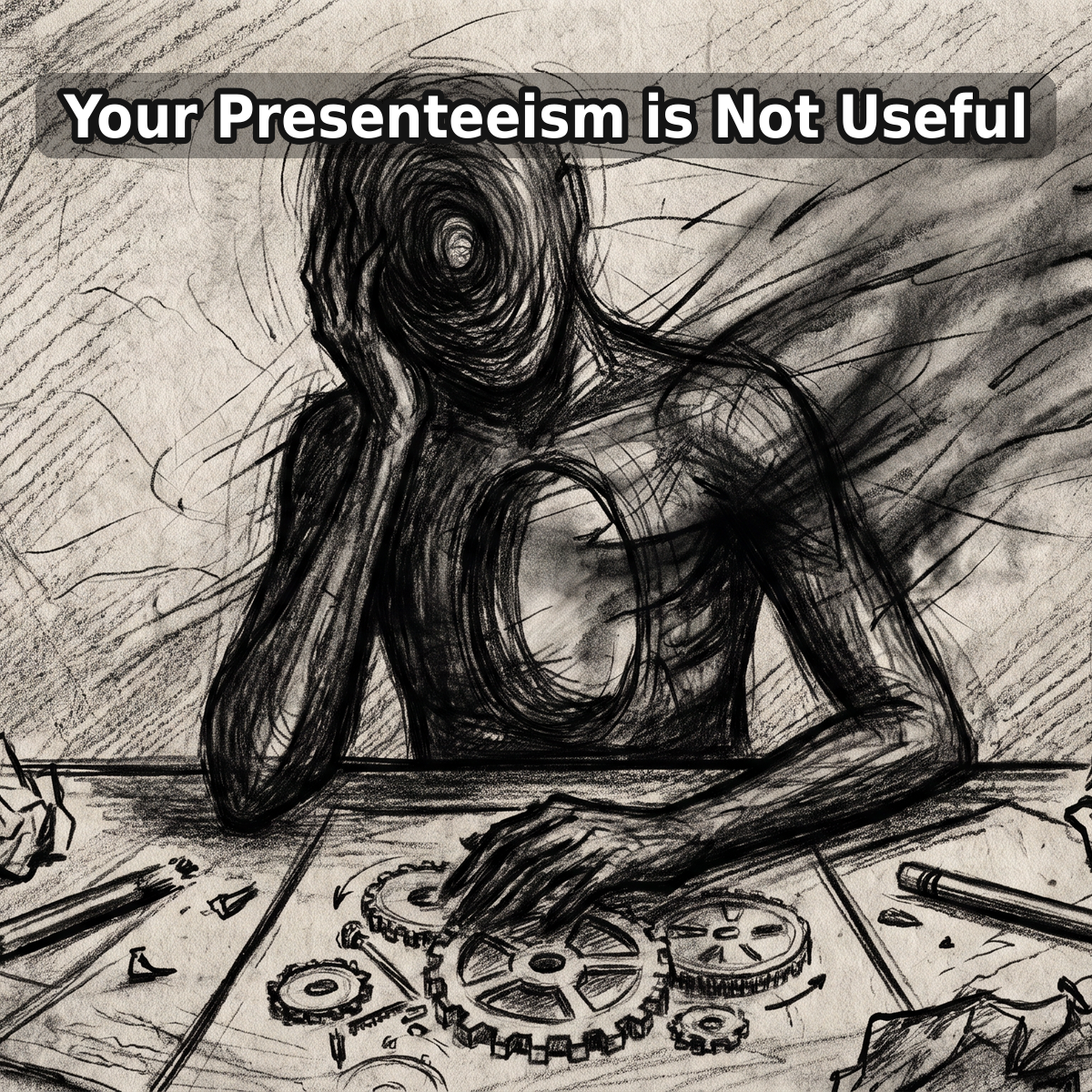
Day 336 – Your Presenteeism is Not Useful

This article challenges the common belief that simply being present at work, even when performing suboptimally, is beneficial. It argues that ‘presenteeism’ can lead to decreased output, increased mistakes, and prolonged recovery, ultimately creating a ‘recovery debt.’ The piece advocates for deliberate rest as an investment in future productivity, emphasizing that true recovery involves activities like sleep, proper nutrition, and disconnecting from work, rather than passive leisure.

Read More

Day 335 – A Life is a Story, Not a Snapshot

This article explores the danger of judging a person’s worth based on their current circumstances, likening it to viewing a life as a snapshot rather than a long trajectory. The author shares a personal anecdote about photographing a homeless man in high school and reflects on how easily we reduce individuals to their present condition. The piece emphasizes that human value is not a snapshot and should not be solely tied to current productivity, advocating for a recognition of a lifetime’s accumulated worth.

Read More
0
Would love your thoughts, please comment.x
()
x