A worthy read is some of the work by Carol Dweck. She is a behavioral psychology researcher that has dived into this ancient right brain, left brain theory. Her work has helped define this concept around a growth mindset versus that of a fixed mindset. There are many interesting ideas that she brings up, but the most important is the belief around intelligence. A fixed mindset is convinced that intelligence is static, whereas a growth mindset is convinced that intelligence can be developed. Now, interestingly enough, most people will automatically thing they are of a growth mindset, but stop and think about it, are you really?
Do you believe that an IQ test, taking at any age, will be roughly the same? Can you indeed get smarter? How many times have you told yourself, I can never learn that. I just do not get math, or whatever topic eludes you. Chances are you are harboring a fixed mindset. You see, this is not a classification of extremes. You can be a mixture of growth and fixed in a variety of areas, that is because you are human and frankly our minds are full of grey areas. Some deep self reflection maybe necessary to discover where you have a tendency to be fixed in your mindset. Here are some good examples.
Really think about your interaction with other people when you are presented with a topic that you do not fully understand. What is your reaction? Do you have a natural inclination to attempt to appear or look like you know the topic or do you you ask questions so that you can learn and grow? If you think about this, you will note that in many instances you are not acting naturally curious, you may indeed be just trying to fake it, to impress others but in reality have no intention of learning the subject because you believe that you cannot grow because you have a fixed mindset.
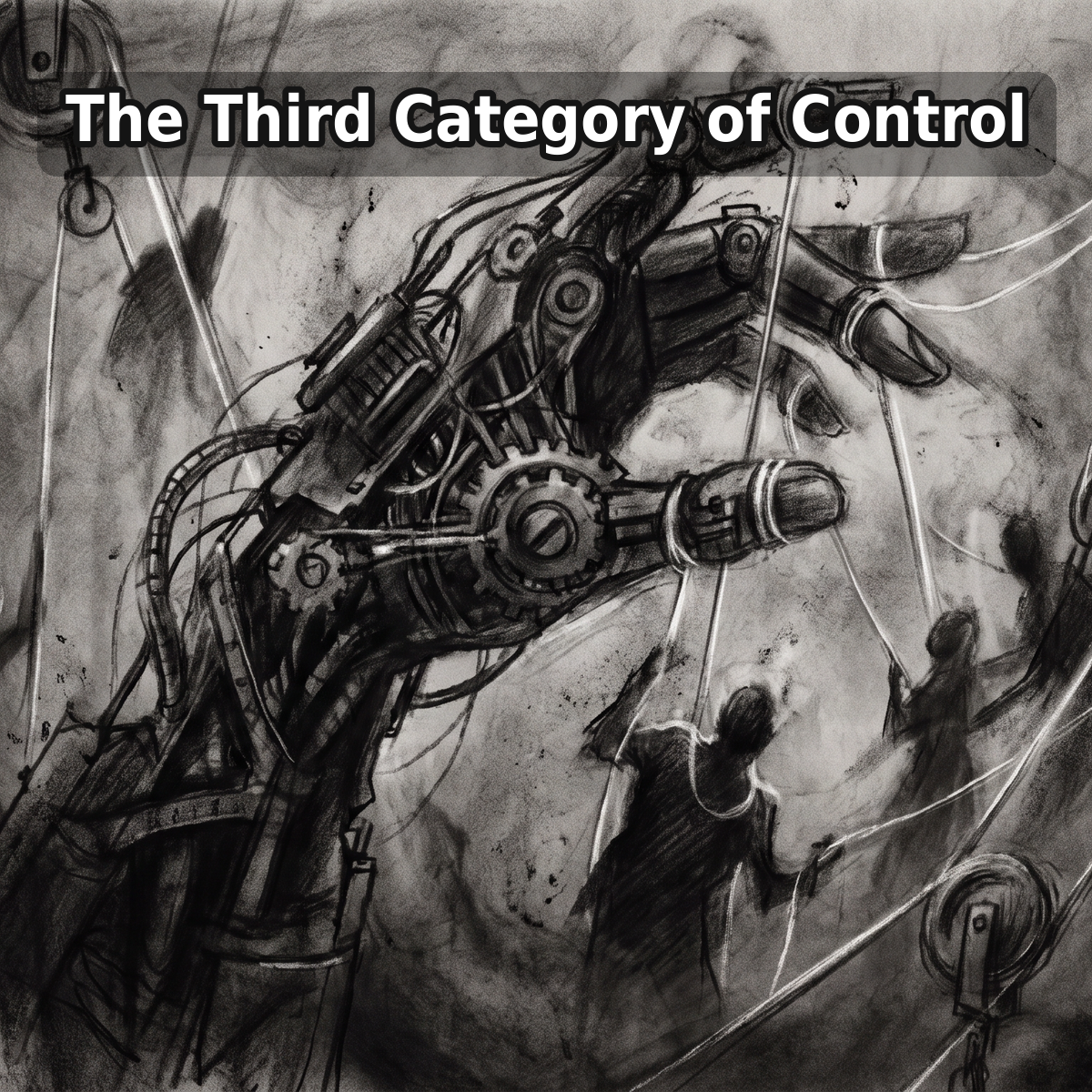
A fixed mindset tends to avoid any new challenges, gives up really easily, feel like any effort you put forward is worthless or in some cases you feel like your effort will make it worse. People with a fixed mindset will ignore feedback, or even respond extremely negatively when criticizes and often will be jealous or even threatened when other people are successful. This is a fixed mindset. The end result is that this person will achieve less than what they are capable of because eventually this mentality will hold them back.
A growth mindset loves new challenges and actually looks forward to them. Someone with this attitude will embrace the suck, and continue on despite the roadblocks and barriers in their way. All setbacks to the growth mindset are temporary and not permanent. A growth minded person feels that their own personal effort will produce results and that they will learn and master what they are going after. They do not accept any concept around, “I can’t.” A growth minded person accepts criticism, and uses it to improve. They are not afraid of this and will often times seek it out. Instead of being threatened by the success of others, the growth oriented person will reach out to others to gain inspiration from their success.
Growth minded people reach their potential and go even higher. They have a sense that their free will can be used to help them grow, rather than the attitude that they are not in control and that their course has been predetermined some how. I reject that concept. I believe I am in control and that I can grow everyday. I can see areas in my life where I have developed a fixed mindset, and I need to work on that.
Guy Reams