I love some of the terms in the financial industry, my favorite is “the dead cat bounce.” This refers to the concept that even a dead cat, if dropped from a high enough distance, will bounce back up when it hits the ground. In the stock market, if a company has a declining asset price over a prolonged period of time, then it is possible to have a small short lived recovery. This is due to brief rallies or periods where people are trying to take advantage of the dropping security price, however, downward trends are exactly what they are. Declines interrupted by small false recoveries.

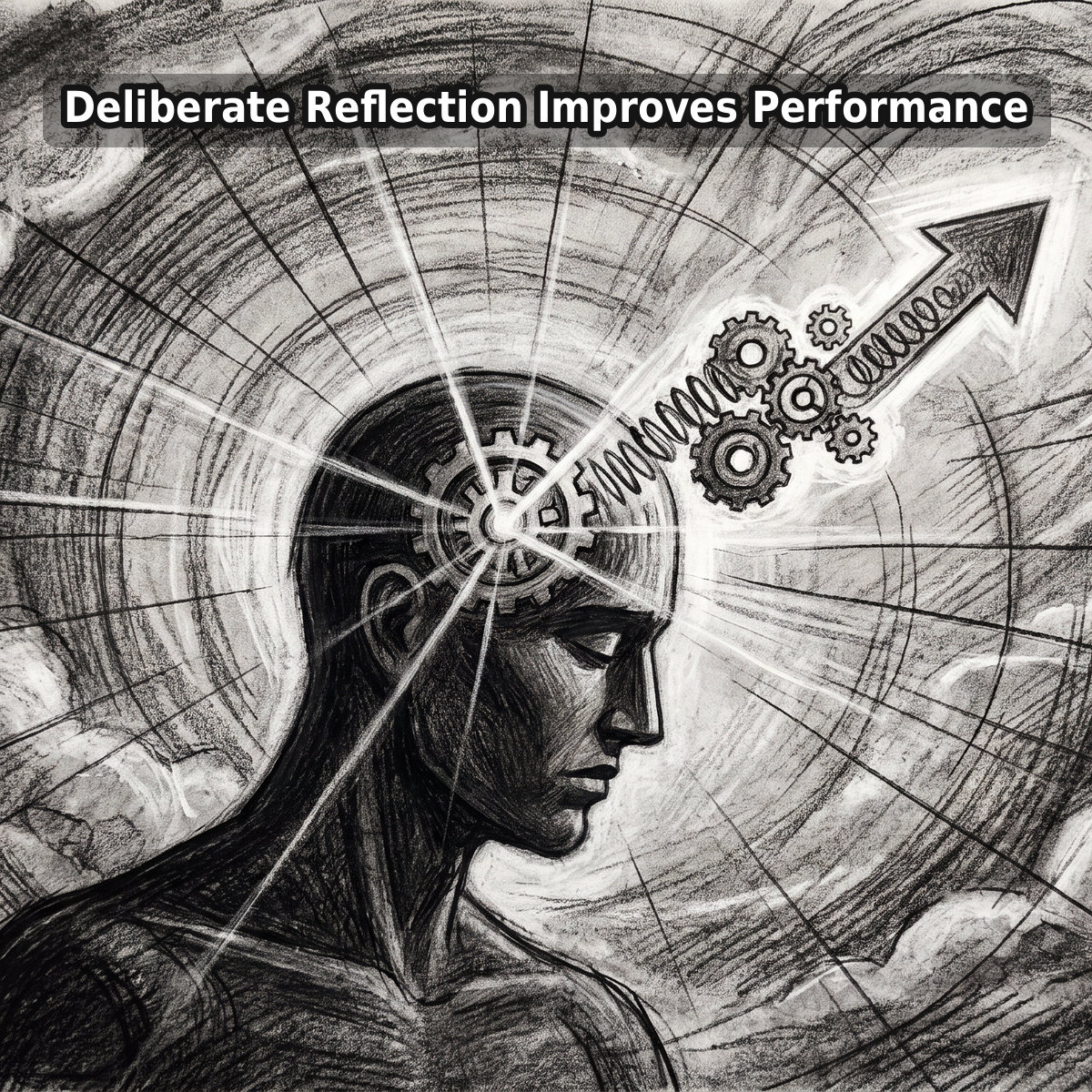
As an investor, you would never want to fall victim to a false hope caused by a dead cat bounce. In life, you do not want to fool yourself into thinking that you are improving, when in actuality you are on a slow and steady decline. This is a mental trap we can find ourselves in. Fooling ourselves into thinking that each little small recovery that we do is actually having a positive effect, when in reality we are in a slow decline.

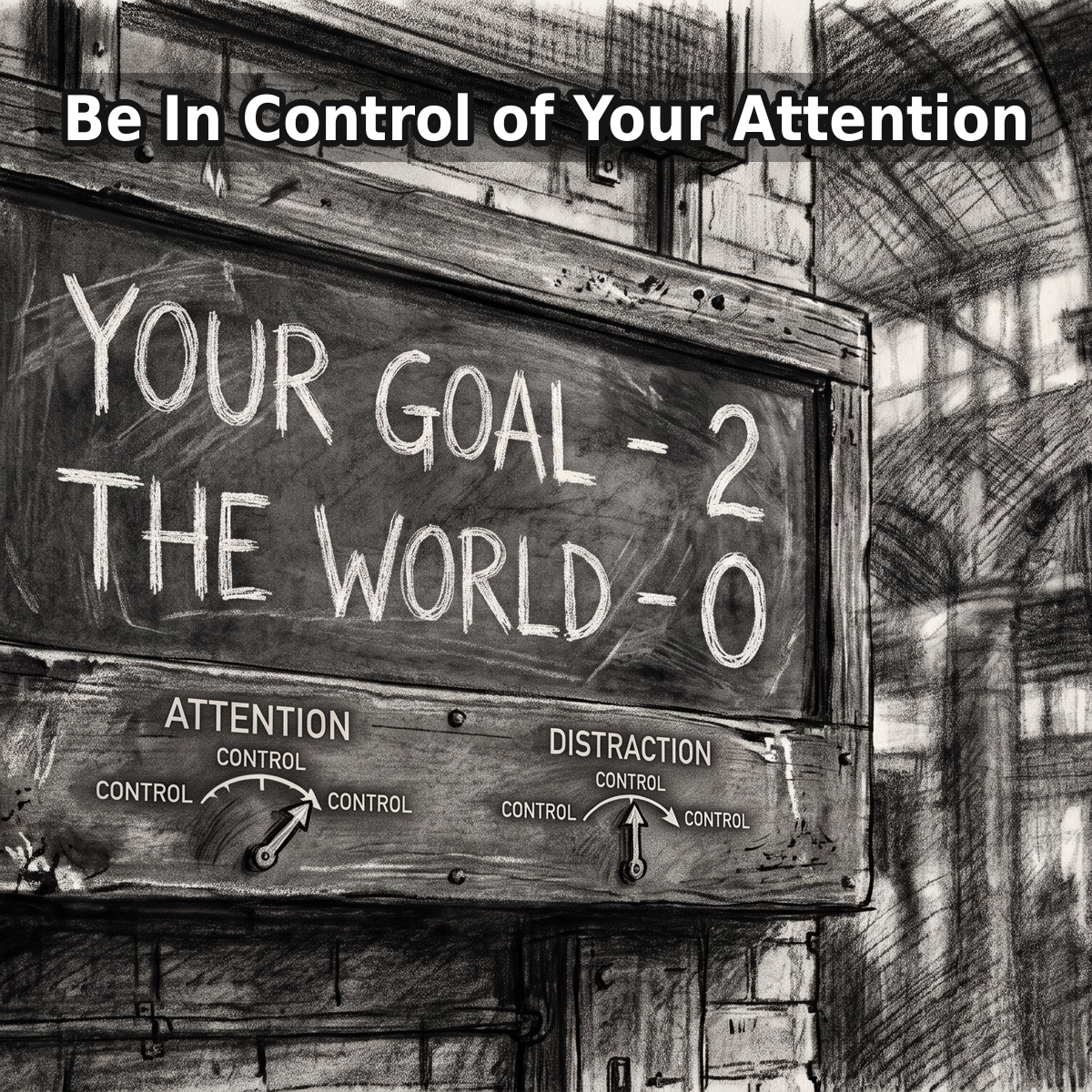
The best way to solve for this is to look at long term progress toward a goal, and not short term ones. The shorter the vision, the easier it is to get fooled by a dead cat bounce in your own life. The best way to make sure that you are on the steady climb up is to monitor your long term progress against a metric that takes longer to achieve.

Guy Reams

Subscribe
Notify of
guest
0 Comments
Inline Feedbacks
View all comments
Share the Post:

Recent Blogs

Day 330 – Cognitive Magic Pills

The article discusses the phenomenon of “cognitive magic pills,” which are alluring solutions to problems often peddled on social media. It uses the example of cortisol being rebranded as the “stress hormone” to illustrate how these concepts gain credibility and lead people to believe in quick fixes for complex issues. The author encourages readers to be critical of such trends and to focus on understanding their own bodies and minds rather than seeking easy solutions.

Read More

Day 329 – Art is Capturing the Form

The author explores the concept of art through the lens of form and function, using two tape measures as an analogy. They then delve into Charles Ross’s Star Axis project, which aims to capture the journey of the North Star, suggesting it as a powerful example of art capturing form and connecting humanity across time.

Read More

Day 328 – Would You Trust Your Brain?

The author explores the idea of copying a human brain into an AI and questions the trustworthiness of such an AI, highlighting human biases and limitations. The piece argues that AI excels in repetitive tasks and factual recall but will never truly think like a human. It also delves into the author’s personal frustration with an AI agent, revealing that the frustration stemmed from their own inadequacy and unwillingness to plan, rather than the AI’s limitations. The author concludes by suggesting that AI’s “flaws” often reflect human tendencies and a lack of clarity in communication.

Read More

Day 327 – We Need God

This article explores the practical necessity of a concept of God, regardless of personal belief in a literal deity. It argues that humans need a higher, fixed point of reference to establish values, prevent self-serving rationalizations, and guide their aspirations beyond immediate desires and worldly pursuits.

Read More
0
Would love your thoughts, please comment.x
()
x