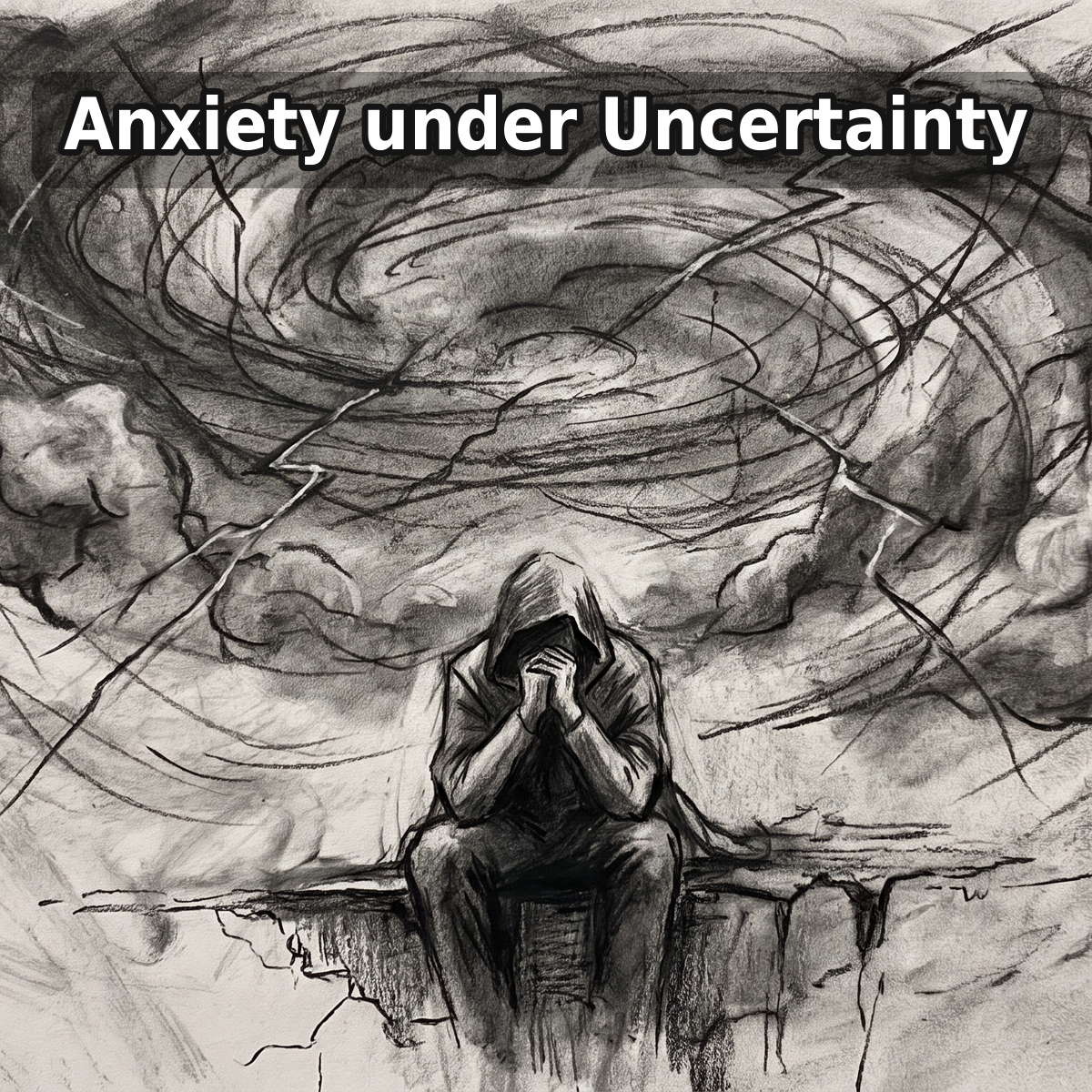
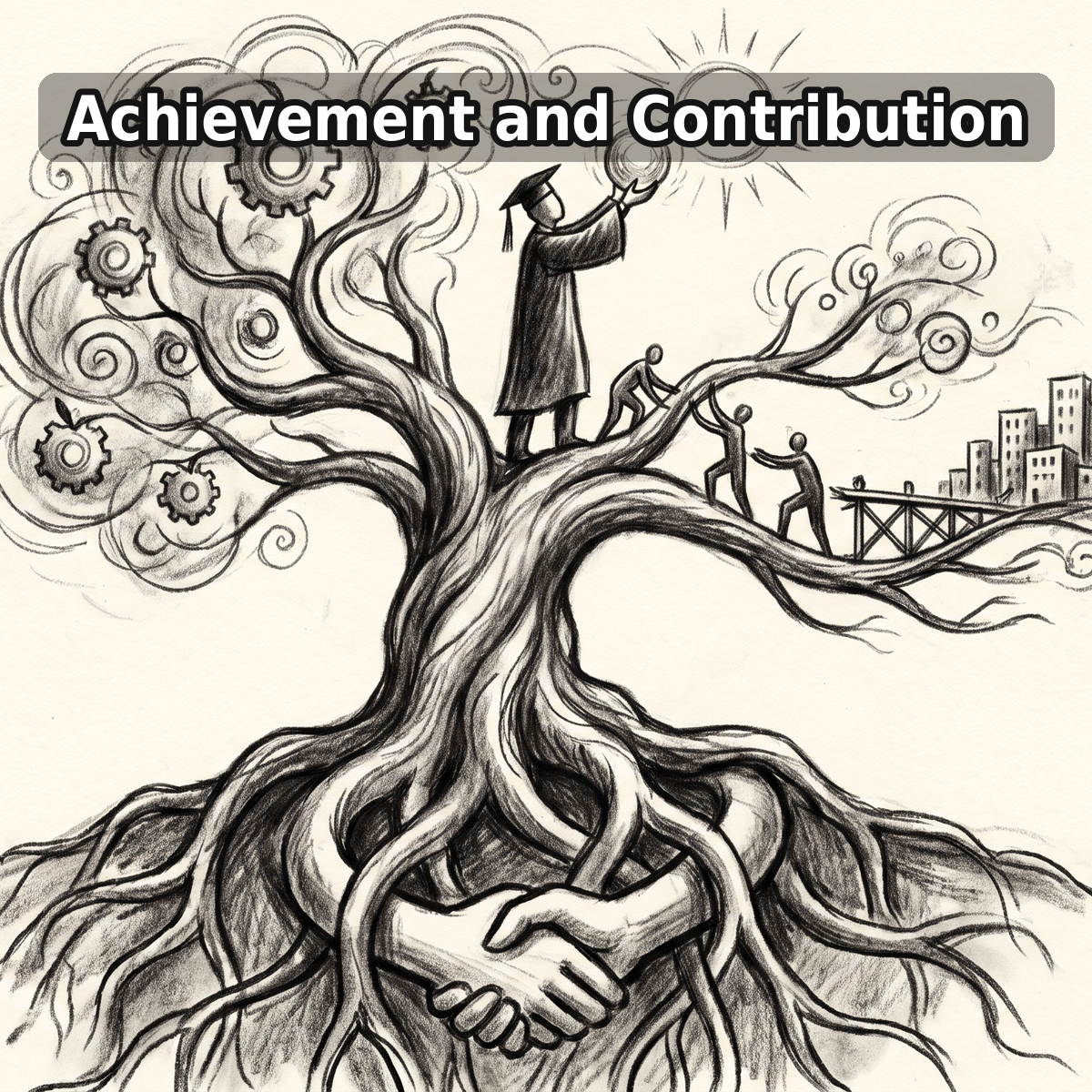
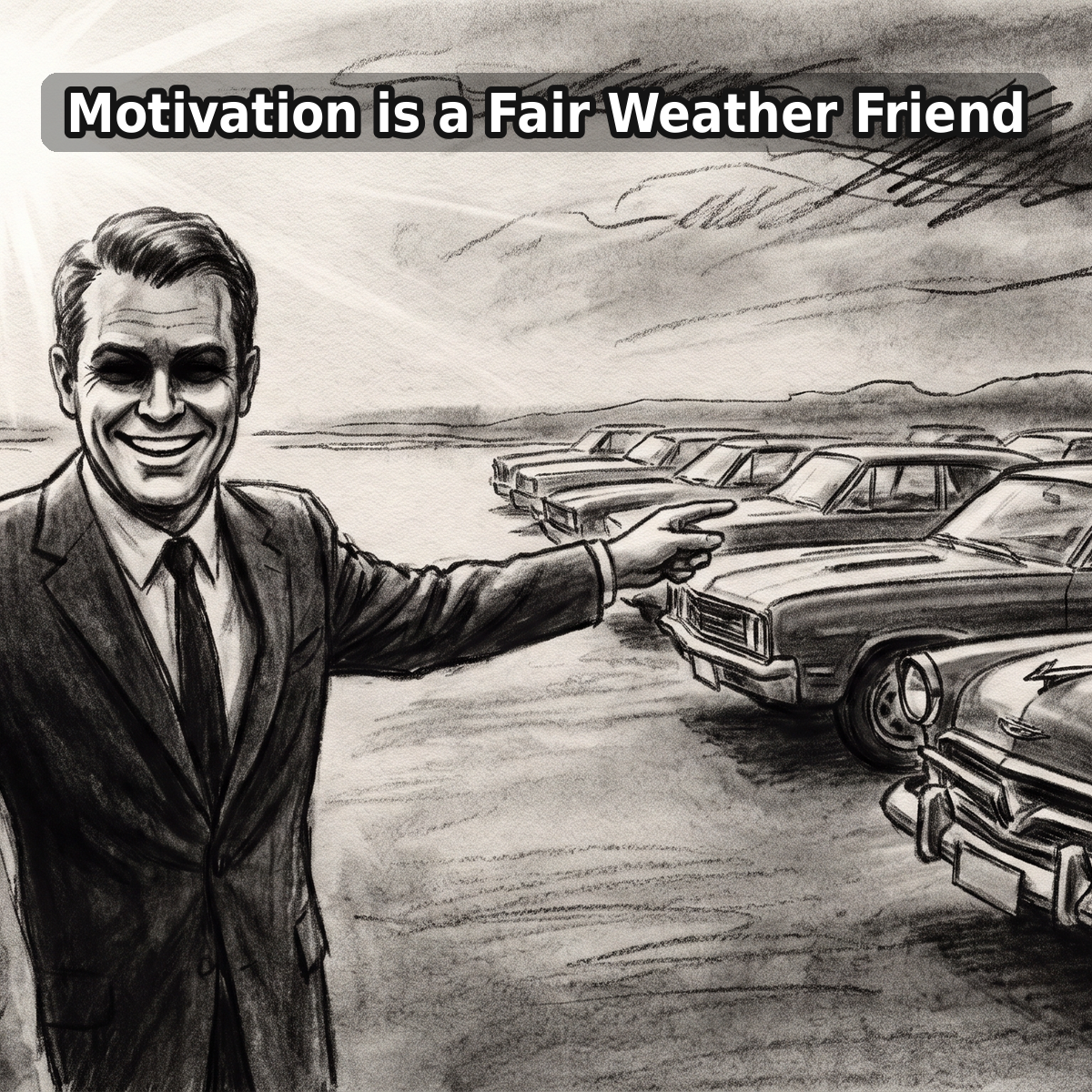
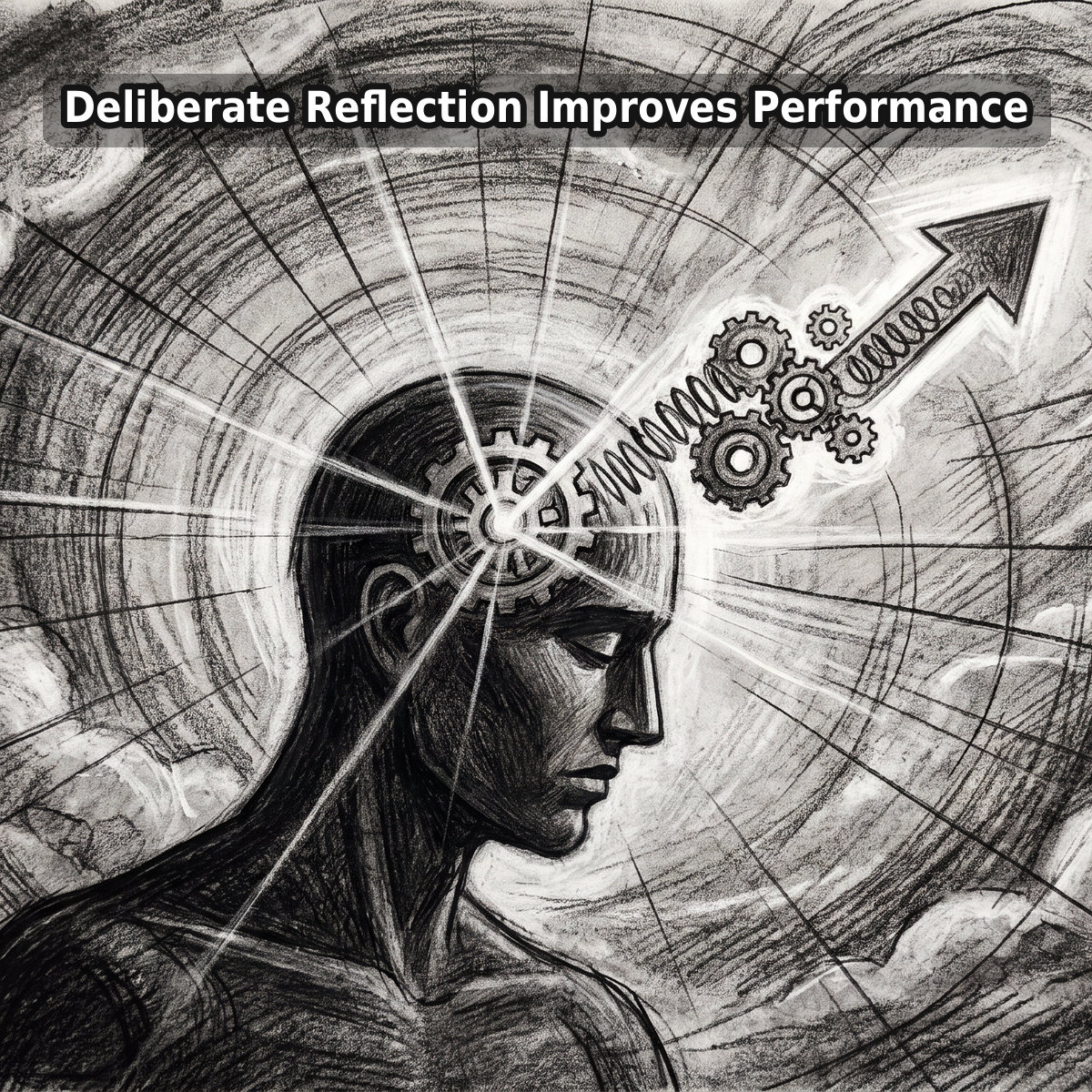
This is what I shall become. An edge dancer. I actually came up with this concept before reading Brandon Sanderson novels, but now that I have read his 4th book in the Stormlight Archive I have no qualms about giving him full credit. He seemed to capture the concept much better than I. However, where his fictional character can slide along the ground as if they were a sliding on ice, my thought behind dancing on the edge is much more practical. Dancing on the edge is the art of balancing delicately on the fine razor edge between chaos and order. You cannot be completely immersed in chaos, that will cause wholesale disruption in your life. Not good for family, friends, or any other stabilizing influence in life. By contrast you cannot life fully in order either. You will become a dangerous authoritarian, demanding predictability in every aspect of your life. The fact is that you need both, order and chaos, and that requires that you develop the philosophy of the edge dancer.
One who dances on the edge between order and chaos, that winding path between ying and yang, learns to gain benefit from both. Whereas they learn to be disciplined in what matters, they are fearless in disrupting the mundane. Setting out to achieve objectives with definite purpose, yet willing to take an alternative path that presents itself. One hand on the wheel, and one hand waving free. Edge dancers are comfortable with the vague, undefined, the unanswered question, the perceived hypocrisy. Long steady strides and short quick bursts of speed are both required to compete in the race. There is no one way, there are many ways and you certainly do not have to stay on one path the entire time, although the Edge Dancer is good with sticking to one for awhile. Jumping from path to path is acceptable as long as progress toward the ultimate goal is achieved.
You would think that one who dances on the razor thin edge between ultimate success and complete failure would be extremely careful. Not so for the edge dancer, they jump in and try, and keep trying despite failure. This mentality is one of continuous failure, as that is how success is ultimately realized. The edge dancer firmly believes that success is something you achieve by accident while you are barreling you way to a ultimate destination. Constant progress is the virtue, not perfect progress.
Guy Reams