The Goal is to Fail

I have written on this subject before, but it hit me hard again today. So many people try to create plans that guarantee or ensure success. They create the “perfect plan” that is supposed to be successful. The problem is that they will never create the perfect plan, because that idea does not exist. Repeat there is no such thing as a plan that will guarantee success, because success is not possible really. The only for sure guaranteed thing you will get is failure. So if failure is inevitable, then we need to create plans that are designed to fail!

If you plan to fail, then when you push yourself, your team or whomever around you to that point of failure, when the pick themselves up off the ground they will look around and realize that they made a lot of progress. Progress as it seems is what we achieve on the way to failure. It is repetition toward continued failure that we become successful.

When today’s goal fails, but tomorrows goal achieves it but fails on the more lofty goal, then you know you are doing right. You can only be successful at things that you have failed at previously.

Guy Reams

Subscribe
Notify of
guest
2 Comments
Oldest
Newest Most Voted
Inline Feedbacks
View all comments
Amanda Dalzell
Amanda Dalzell
5 years ago

Thanks Guy. This is very helpful as my team begins a new fiscal year.

Share the Post:

Recent Blogs

Relaxing is Changing State

Relaxing isn’t about passive consumption, but actively changing your brain’s state. This involves stopping information intake, engaging in physical activity outdoors, and shifting focus from narrow details to broad natural elements. The goal is to clear mental clutter and allow your mind to reset, often leading to renewed productivity.

Read More

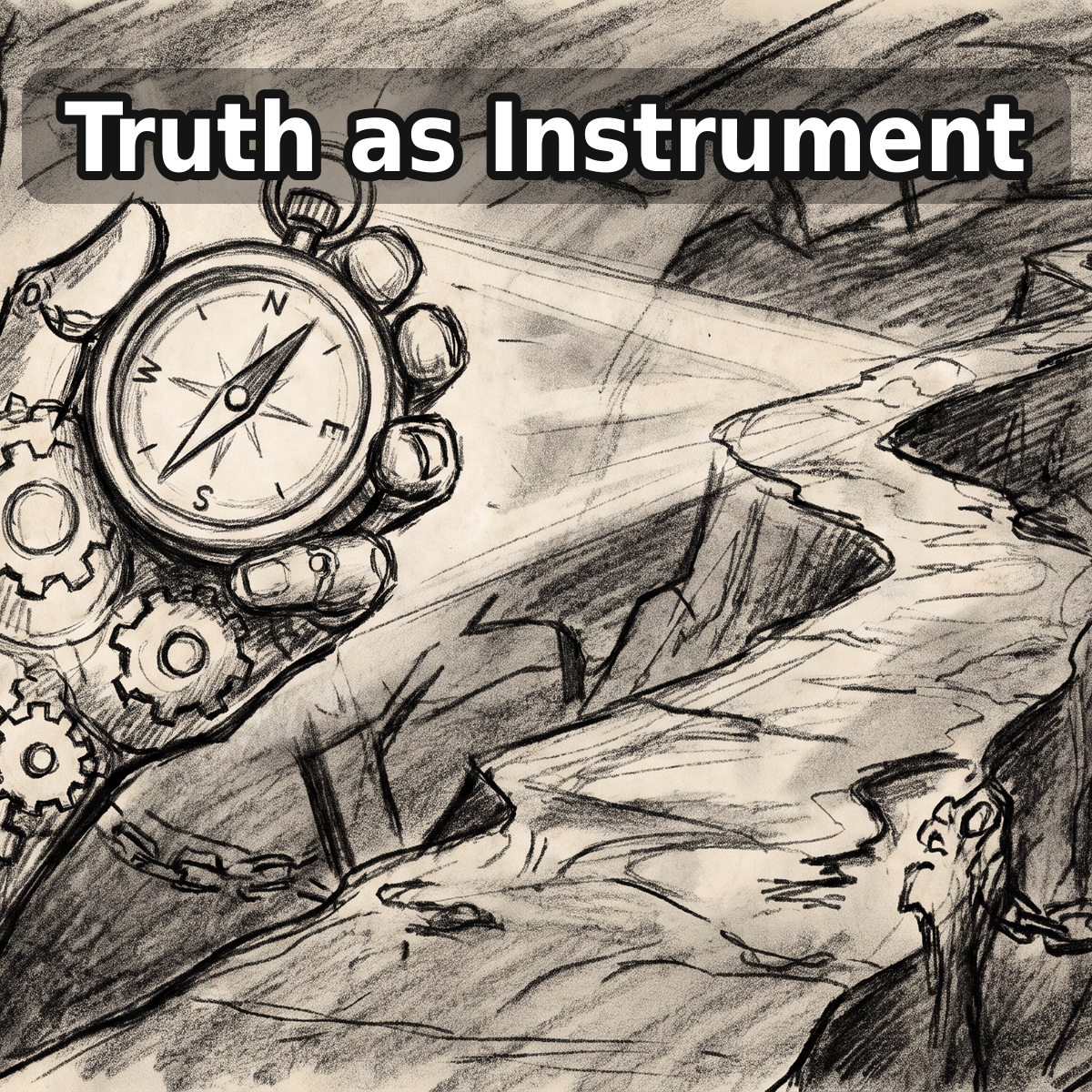
Day 344 – Truth as Instrument

This article explores the concept of individuals who manipulate truth to serve their own interests, distinguishing it from relativism. It delves into the personal and social implications of encountering such people, drawing parallels with childhood development and a personal anecdote about teaching chess. The author reflects on the challenges of dealing with those who view truth as an instrument and offers advice on identifying such behavior early in relationships.

Read More

Day 343 – Selling Shovels in a Gold Rush

The article draws parallels between the California Gold Rush and the current AI boom, highlighting how individuals profited by selling tools and information rather than directly extracting gold. It discusses historical examples of Samuel Brannan, Henry Vizetelly, and Joseph Ware, who capitalized on the gold rush through various means, including hoaxes and guides. The piece concludes by advising caution when encountering AI gurus, suggesting one should investigate the source of their wealth.

Read More

Day 342 – Forming an Opinion

This article explores the process of forming opinions, drawing parallels from debate and legal fields to categorize the strength of an opinion’s foundation. It highlights the difference between strong opinions and strong epistemic foundations, moving from weak bases like intuition and hearsay to robust, evidence-based conclusions that are open to revision.

Read More
2
0
Would love your thoughts, please comment.x
()
x