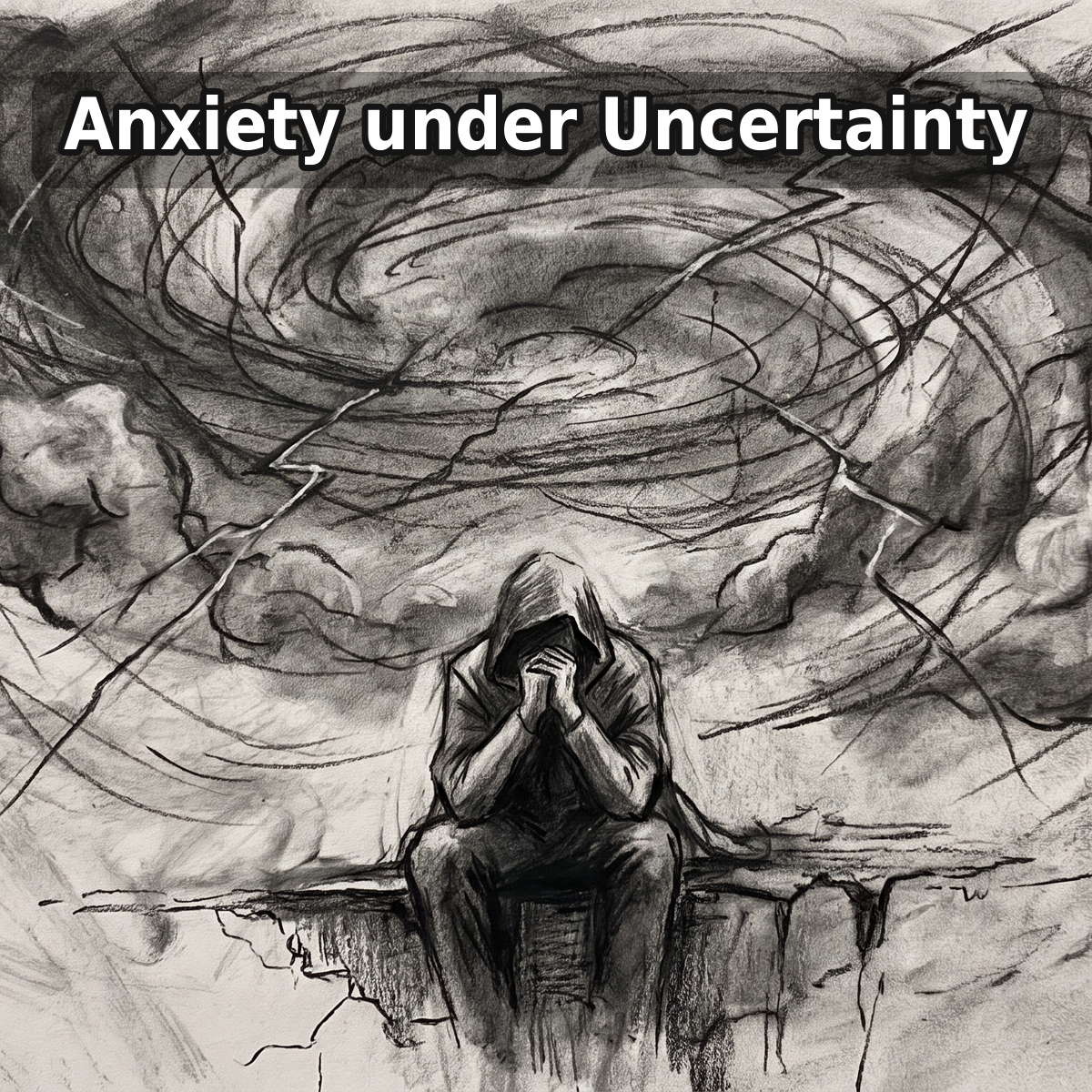
What you can control. Nothing else. The second you start to worry about something out of your control, you develop a feeling of anxiety and even despair. That is the root of many mental ills, you start worrying about things out of your control. It is also a very real problem in our modern society. We have people running around worrying about, fretting about things that they have absolutely no control over, or even any influence for that matter. We idealize people that stand up and have a “voice” about something to which all their screaming and ranting will have no effect. What we should celebrate is the people who voice concern and then exercise control over what they actually can do something about, and that is evidenced by what they are actually doing. It is beyond me why we take advice, and get inspired by people who have not even learned how to make their bed yet.
On a global or macro level this is one thing, but on a personal or local community level it is an entirely different thing. If you are worried about something, and you have the power to change it, then you are obligated to do something about it. This is a law of nature. Nature follows reason and it is absolutely true that if you see a problem, and you have the power to change it, then you should do so. Too many people ignore the natural law of reason and as a consequence our problems compound. Communities fail because of this, neighborhoods fall into decline and cynicism reigns.
The point is that you should worry about what you can control, because the consequence is that if you do not, then your anxiety, depression, bad feelings are for good reason. You are violating one of the core principles of living. If you find yourself worrying about what you cannot control, then stop right now. That is unnecessary and in fact a bit conceited. Only flagrant arrogance would have you worry about that which was beyond your reach. So are you freaked out about global warming, but walk past a discarded piece of trash on the sidewalk? You are worried about the wrong thing.
Ordinary, Happy life begins by impacting what you can control. This applies to personal life as well as other areas of life as well. If I am in sales, for example, there is no sense in worrying about my company’s marketing strategy. I have little control over that, but I can control what I do during the day to reach out to clients. Too many of us, and I am guilty as well, look to blame external factors that are beyond my control as the reasons for my failures. Generally, usually, and almost always you will find that as you are complaining about something way beyond you, you are stepping over, around, and on many things that if you actually took a moment to fix then you would find that you actually never did have a problem. All along it was you.
Guy Reams