You See What You Aim At

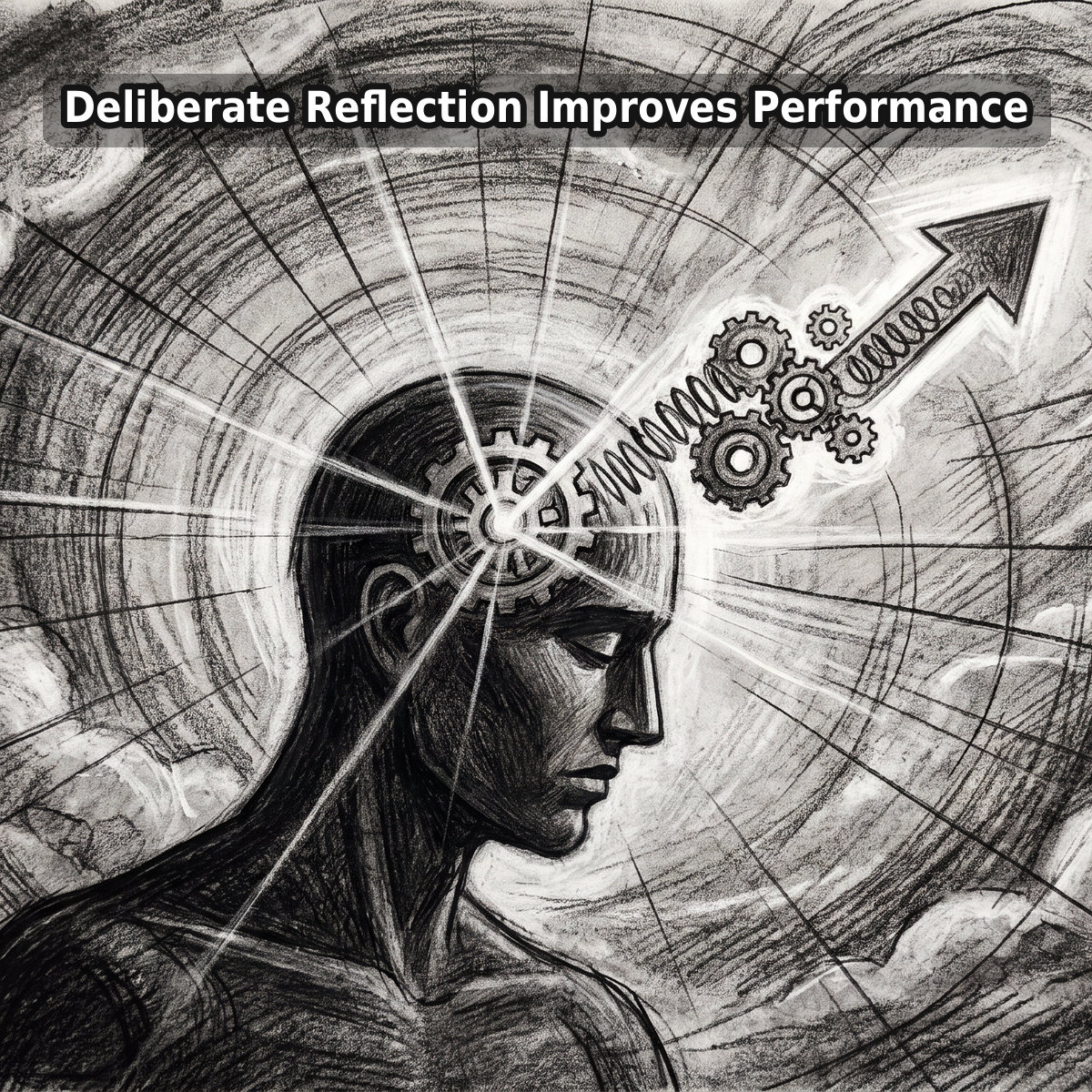
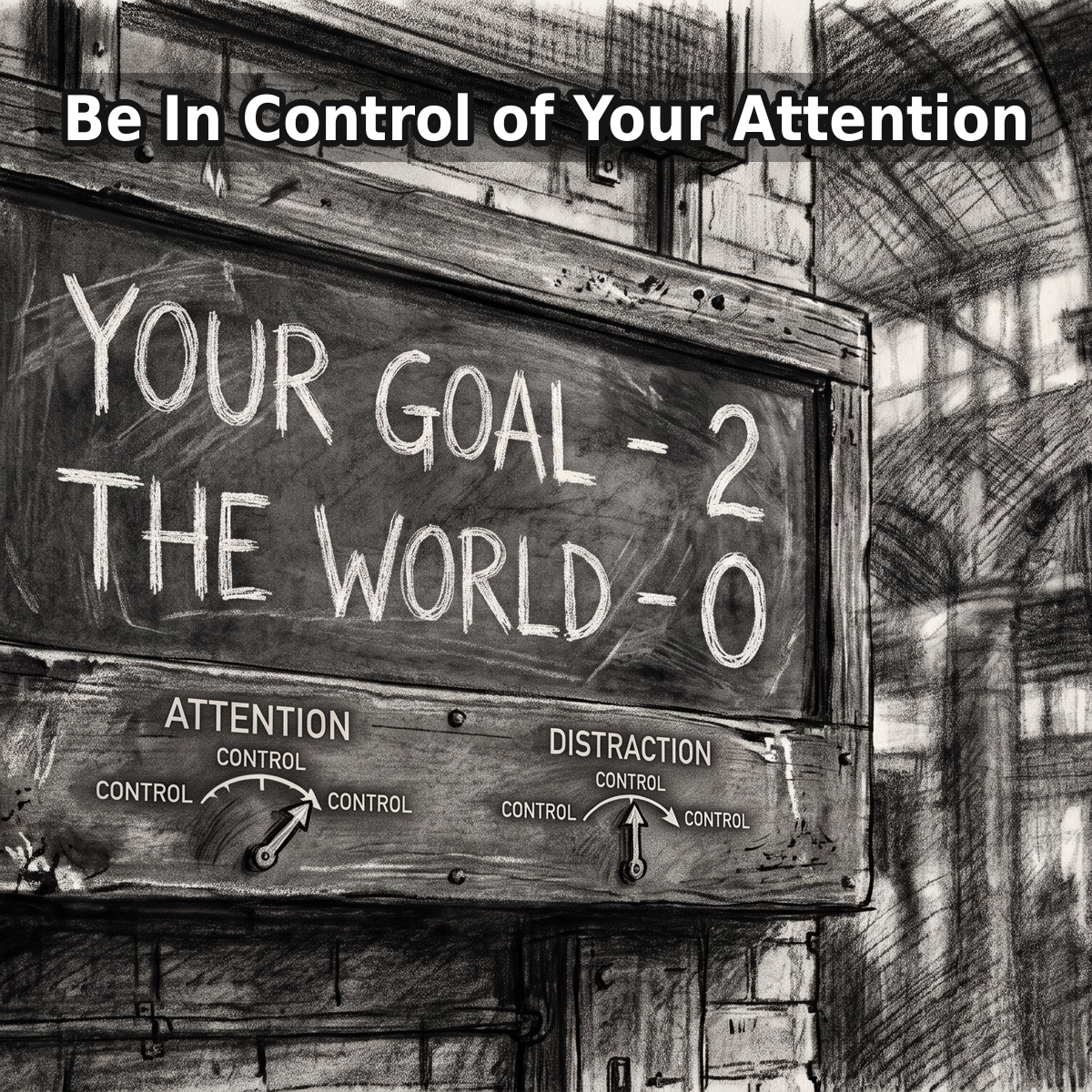
Listening to a talk by Jordan Peterson, he focused on this concept emphatically, you see what you aim at. Rings true to me. When I walk into the garage, and I see something out of place, I think my life is over and my house is in ruin. My wife probably does the same thing with the kitchen counter. There could be a million dollar check from the lottery flashing in neon lights above my office door, but if I am focused on something in front of me, I would completely miss it. The human mind is incredibly good at focusing on what is considered priority and here in lies our benefit and our downfall.

If you do not carefully consider what you aim at, then your mind will pick something and that will become the focus and you will miss it. I was helping my nephew by a truck, he was looking at a Ford Ranger. So I started looking for Ford Ranger’s on the road. Suddenly I could see thousands, it as if suddenly every car on the road is a Ford Ranger. Your mind will see exactly what it is looking for.

Be careful weary traveler because if you are only looking for one particular thing, then you will miss the opportunities staring you right in the face. Worse, you be focused on the entirely wrong thing all together!

Guy Reams
Subscribe
Notify of
guest
0 Comments
Inline Feedbacks
View all comments
Share the Post:

Recent Blogs

Day 331 – Are You in Control?

Humans have a unique ability to cope with uncertainty by creating an illusion of control, often attributing cause and effect to unrelated actions. This phenomenon, explored through examples like superstitions and personal anecdotes, suggests that while we may not have complete control over our environments, our brains are wired to find patterns and connections, even if they are not always accurate. This ability to fool ourselves into believing we have more control than we do can be beneficial, but it’s important to differentiate between actual impact and coincidental association.

Read More

Day 330 – Cognitive Magic Pills

The article discusses the phenomenon of “cognitive magic pills,” which are alluring solutions to problems often peddled on social media. It uses the example of cortisol being rebranded as the “stress hormone” to illustrate how these concepts gain credibility and lead people to believe in quick fixes for complex issues. The author encourages readers to be critical of such trends and to focus on understanding their own bodies and minds rather than seeking easy solutions.

Read More

Day 329 – Art is Capturing the Form

The author explores the concept of art through the lens of form and function, using two tape measures as an analogy. They then delve into Charles Ross’s Star Axis project, which aims to capture the journey of the North Star, suggesting it as a powerful example of art capturing form and connecting humanity across time.

Read More

Day 328 – Would You Trust Your Brain?

The author explores the idea of copying a human brain into an AI and questions the trustworthiness of such an AI, highlighting human biases and limitations. The piece argues that AI excels in repetitive tasks and factual recall but will never truly think like a human. It also delves into the author’s personal frustration with an AI agent, revealing that the frustration stemmed from their own inadequacy and unwillingness to plan, rather than the AI’s limitations. The author concludes by suggesting that AI’s “flaws” often reflect human tendencies and a lack of clarity in communication.

Read More
0
Would love your thoughts, please comment.x
()
x