Write Goals Everyday

If you wake up each morning and wrote your goals down, what would you write?

The thing is that most of us would not be able to write down our goals everyday because 1. We have not articulated them that well and 2. They change too often.

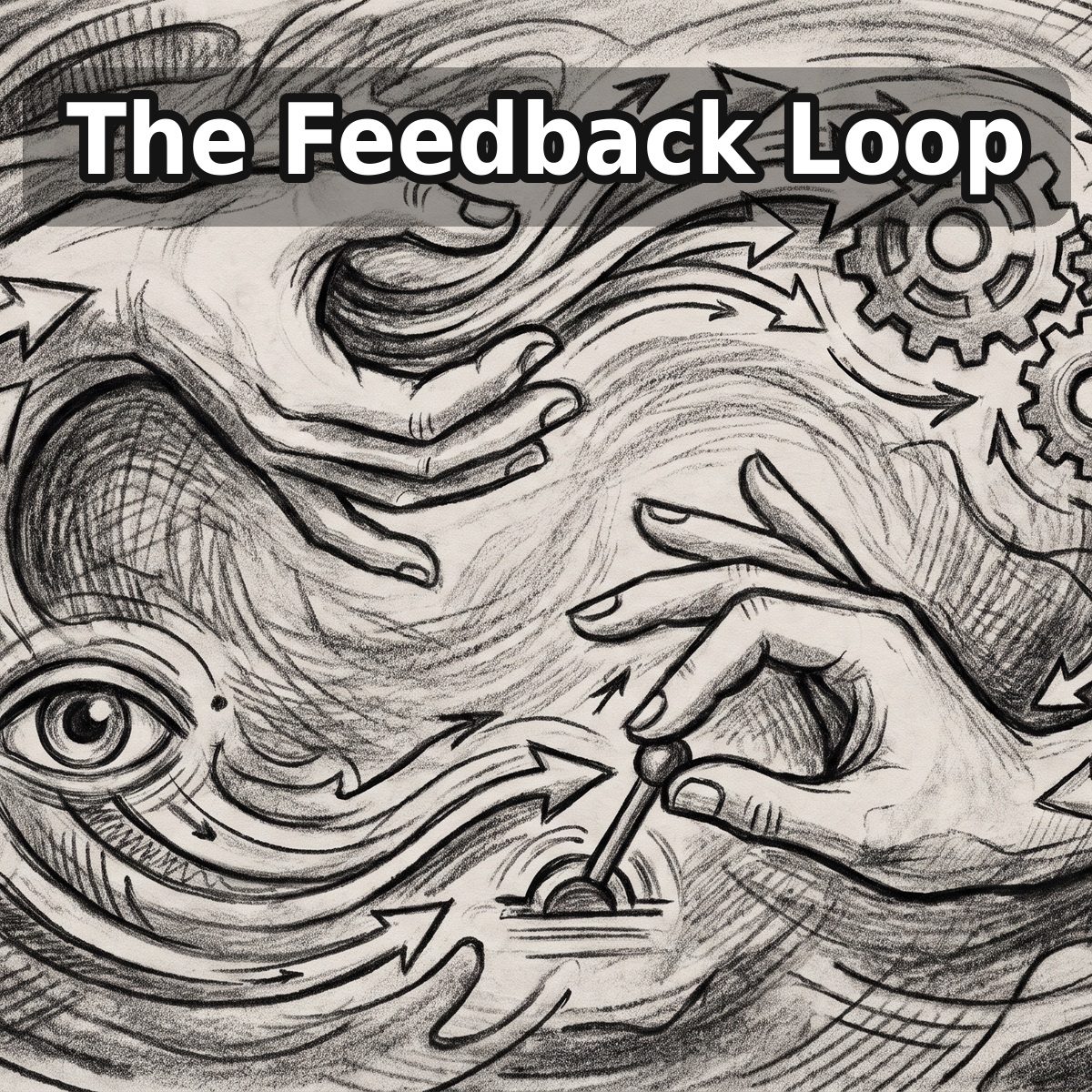
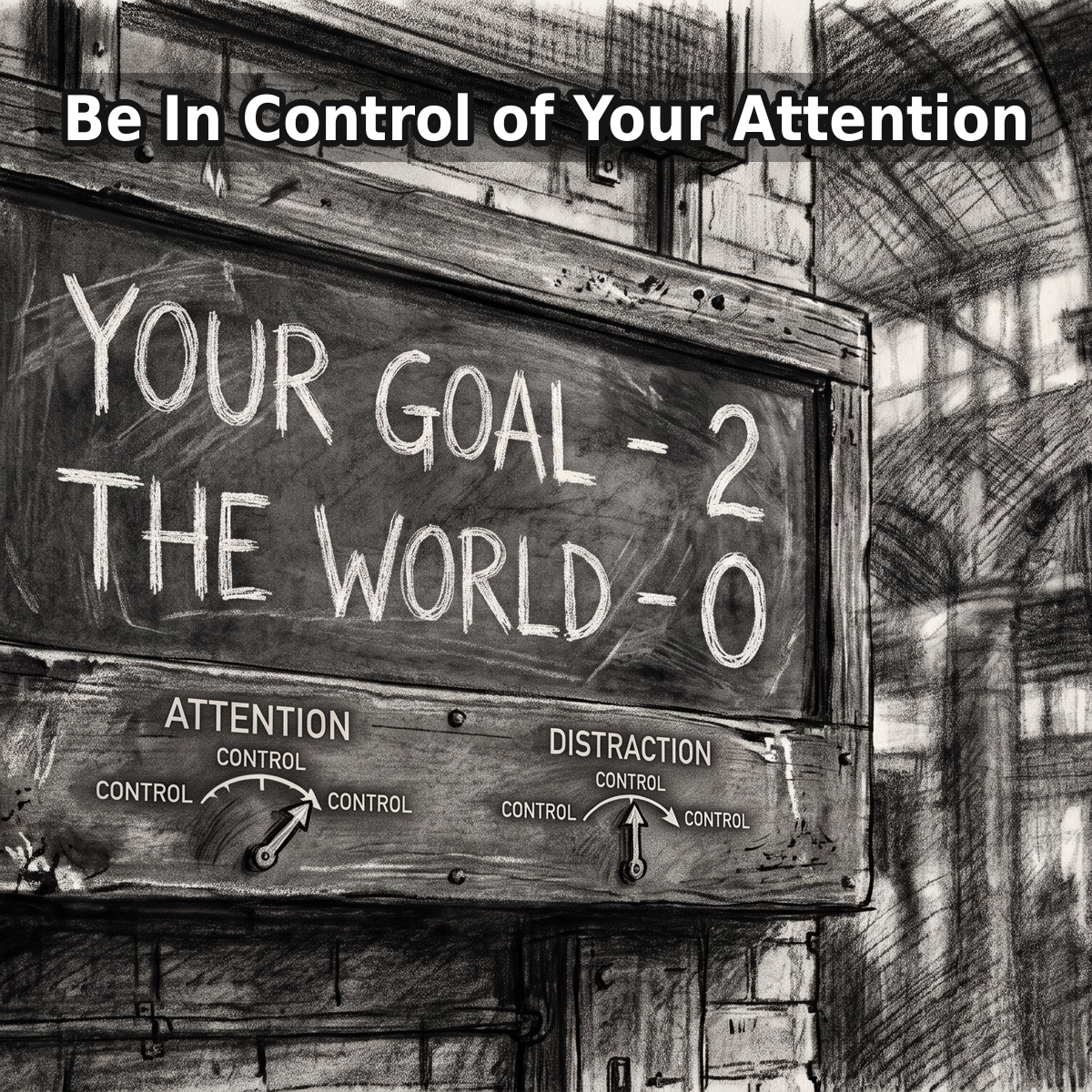
You can write them down if you actually come up with a few. There are many mechanisms for writing good goals, specific and measurable objectives and all of that. However, far more important is to know what they actually are, have them at the top of your mind so that they will ACTUALLY INFLUENCE WHAT YOU DO EACH DAY AND THE DECISIONS YOU MAKE.

So if you want to actually achieve some goals then force yourself to write them down every morning. Ridiculous? I think not. I think it will force you to remember your goals and consequently make better decisions as to what to do with your time.

You can also make sure you tier your goals. Some goals can be a longer term thing, like 5 years. However, I like to have 6 month, 1 year and 3 year goals that I keep. When the 6 months ones get knocked off the list, I add more 1 year goals and move the 1 year goals into the 6 month slot. This way I have a new set of short term objectives always top of mind.

Having clear, time duration goals that you write down every morning is a key to staying focused in life.

Guy Reams

Subscribe
Notify of
guest
0 Comments
Inline Feedbacks
View all comments
Share the Post:

Recent Blogs

Day 331 – Are You in Control?

Humans have a unique ability to cope with uncertainty by creating an illusion of control, often attributing cause and effect to unrelated actions. This phenomenon, explored through examples like superstitions and personal anecdotes, suggests that while we may not have complete control over our environments, our brains are wired to find patterns and connections, even if they are not always accurate. This ability to fool ourselves into believing we have more control than we do can be beneficial, but it’s important to differentiate between actual impact and coincidental association.

Read More

Day 330 – Cognitive Magic Pills

The article discusses the phenomenon of “cognitive magic pills,” which are alluring solutions to problems often peddled on social media. It uses the example of cortisol being rebranded as the “stress hormone” to illustrate how these concepts gain credibility and lead people to believe in quick fixes for complex issues. The author encourages readers to be critical of such trends and to focus on understanding their own bodies and minds rather than seeking easy solutions.

Read More

Day 329 – Art is Capturing the Form

The author explores the concept of art through the lens of form and function, using two tape measures as an analogy. They then delve into Charles Ross’s Star Axis project, which aims to capture the journey of the North Star, suggesting it as a powerful example of art capturing form and connecting humanity across time.

Read More

Day 328 – Would You Trust Your Brain?

The author explores the idea of copying a human brain into an AI and questions the trustworthiness of such an AI, highlighting human biases and limitations. The piece argues that AI excels in repetitive tasks and factual recall but will never truly think like a human. It also delves into the author’s personal frustration with an AI agent, revealing that the frustration stemmed from their own inadequacy and unwillingness to plan, rather than the AI’s limitations. The author concludes by suggesting that AI’s “flaws” often reflect human tendencies and a lack of clarity in communication.

Read More
0
Would love your thoughts, please comment.x
()
x