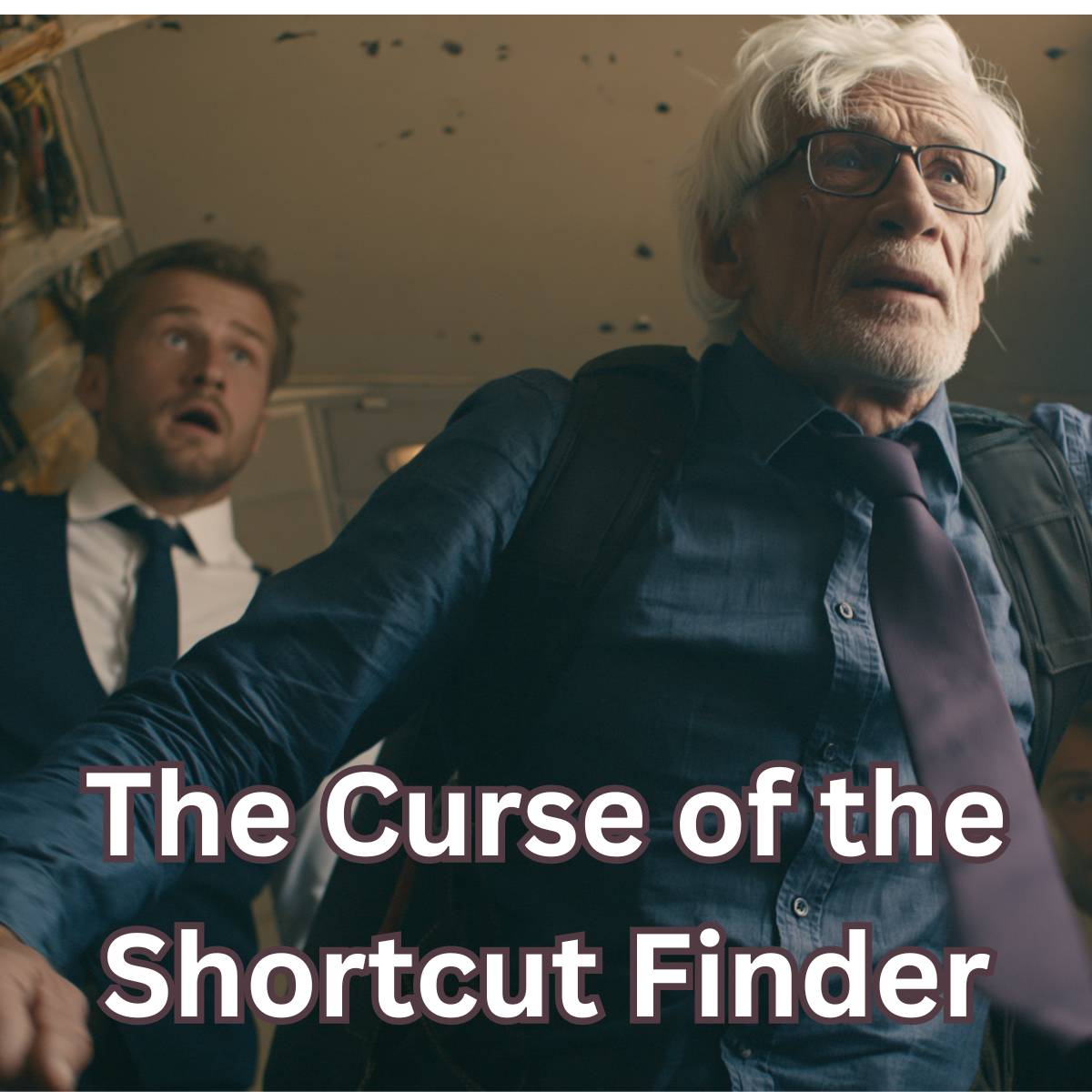
I spent years believing I was the hero. I would see a problem, find a clever fix, and deliver it fast. People would thank me. I would move on. It felt like magic. It felt like winning.
But I was not winning. I was creating debt. The shortcuts I built looked brilliant in the moment, but they became nightmares for the people who came after me. I know this because I was one of those people. I have had to untangle my own clever fixes years later, and I have learned the hard truth. The shortcut is rarely the right answer.
The shortcut finder has good intentions. They can see the thing they want clearly enough to desire it, but they cannot yet touch it. That creates tension. The mind wants relief from that tension, so it looks for a shortcut: a big move, a dramatic change, a silver bullet, a leap that makes the waiting go away.
But most valuable things do not compound because of intensity. They compound because of repetition.
This was common in the software development world when I started, and it is probably worse now with AI coding assistance. The quick fix, shortcut hero is now literally armed and dangerous. They can generate solutions faster than ever, but speed does not equal soundness. The code works today. It breaks tomorrow. The pattern repeats.
I know this well because for a good part of my life, I was the shortcut hero. I was young, quick thinking, and the dawn of the modern computer age made a lot of the shortcuts I came up with appear as magic heroism when in reality they were compounded incremental fixes that created a nightmare for those that followed.
It is hard to commit to slow building for a few reasons.
First, the reward is delayed. You do the right thing today, but the result may not show up for weeks, months, or years. That feels unfair, even when it is true.
Second, the work often looks unimpressive while it is working. A single workout does not change your body. One sales call does not build a company. One page does not make a book. One habit does not transform a life. But those small acts are the bricks.
Third, we confuse movement with momentum. Big changes feel powerful because they are visible. Incremental changes feel weak because they are quiet. But quiet does not mean ineffective.
Fourth, patience requires identity before evidence. You have to believe, I am the kind of person who builds, before the world gives you proof. That is uncomfortable. Most people want evidence first, then commitment. But building usually requires commitment first, then evidence.
And finally, slow building exposes our fear. When we commit to a long path, we lose the excuse that we were just trying something. We have to face whether we are willing to become the person capable of finishing.
That is why it is hard.
“The shortcut is rarely the right answer. The usual answer, the best answer, is incrementally building over time.”
The key is not to love slowness. The key is to trust accumulation.
Slow is only discouraging when you measure it too closely. Zoom in, and it looks like nothing is happening. Zoom out, and you see the structure rising.
The incremental build requires patience, perseverance, and discipline, all things that the shortcut hero loathes. But those are the things that last. Those are the things that hold. Those are the things that do not collapse when someone else has to maintain them.
So the next time you feel the pull of the shortcut, pause. Ask yourself whether you are solving the problem or just relieving the tension. Ask whether this fix will hold or whether it will become someone else’s nightmare. Then choose the slower path. Choose the one that builds. Choose the one that lasts.