So it is a good idea to stay physically fit. You do not have to go all out and hit the gym 4 hours a day, but if you do some modest amount of physical fitness everyday then you will be able to respond to life’s little challenges without being overwhelmed. When you have to carry in 10 bags of groceries, you will not find yourself in bed and in pain for a few days because of the exertion.

The same is true, but probably more so, for the brain. If you stay sharp mentally then when you are suddenly called upon to deal with one of life’s curve balls you will have the mental capacity and fortitude to take a pause, assess and then deal with the crisis appropriately.

So how do you do your mental crunches? Just like with physical exercise there are many ways and methods to stay mentally sharp. Perhaps the best form of brain crunches that I have come up with is to practice some sort of metacognition daily. Some call this meditation, but it is really the act of taking a long pause and thinking about what you are thinking about. Understanding what is preoccupying your mind and figuring out if that is the best use of your brain power or could you be focusing your mental energy on other things.

This exercise, basically thinking about what you are thinking about, sounds strange but it is really a very healthy thing to do. It gives you the pathway, or the understanding of how to take a pause and think and make better decisions. So that when you are called upon to think or make a tough decision you will have practice at taking a pause and not making the wrong decision impulsively.

Guy Reams
Subscribe
Notify of
guest
0 Comments
Inline Feedbacks
View all comments
Share the Post:

Recent Blogs

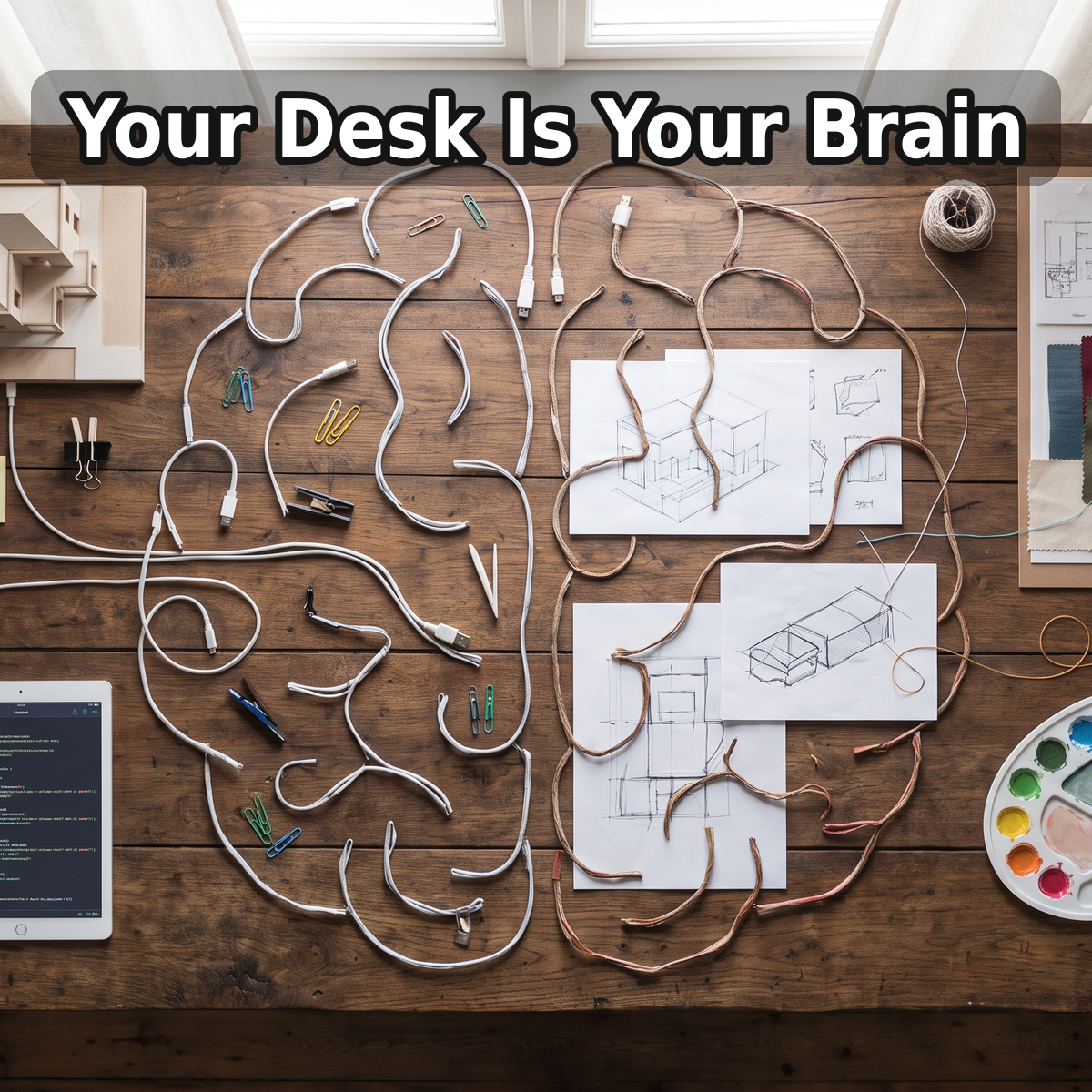
Day 3,226 – Your Desk Is Your Brain

This article explores the idea that your desk is a reflection of your mind. It suggests that the clutter and organization of your workspace can mirror your thoughts, priorities, and even avoided decisions. The author challenges readers to organize their desks as a way to clear their minds.

Read More

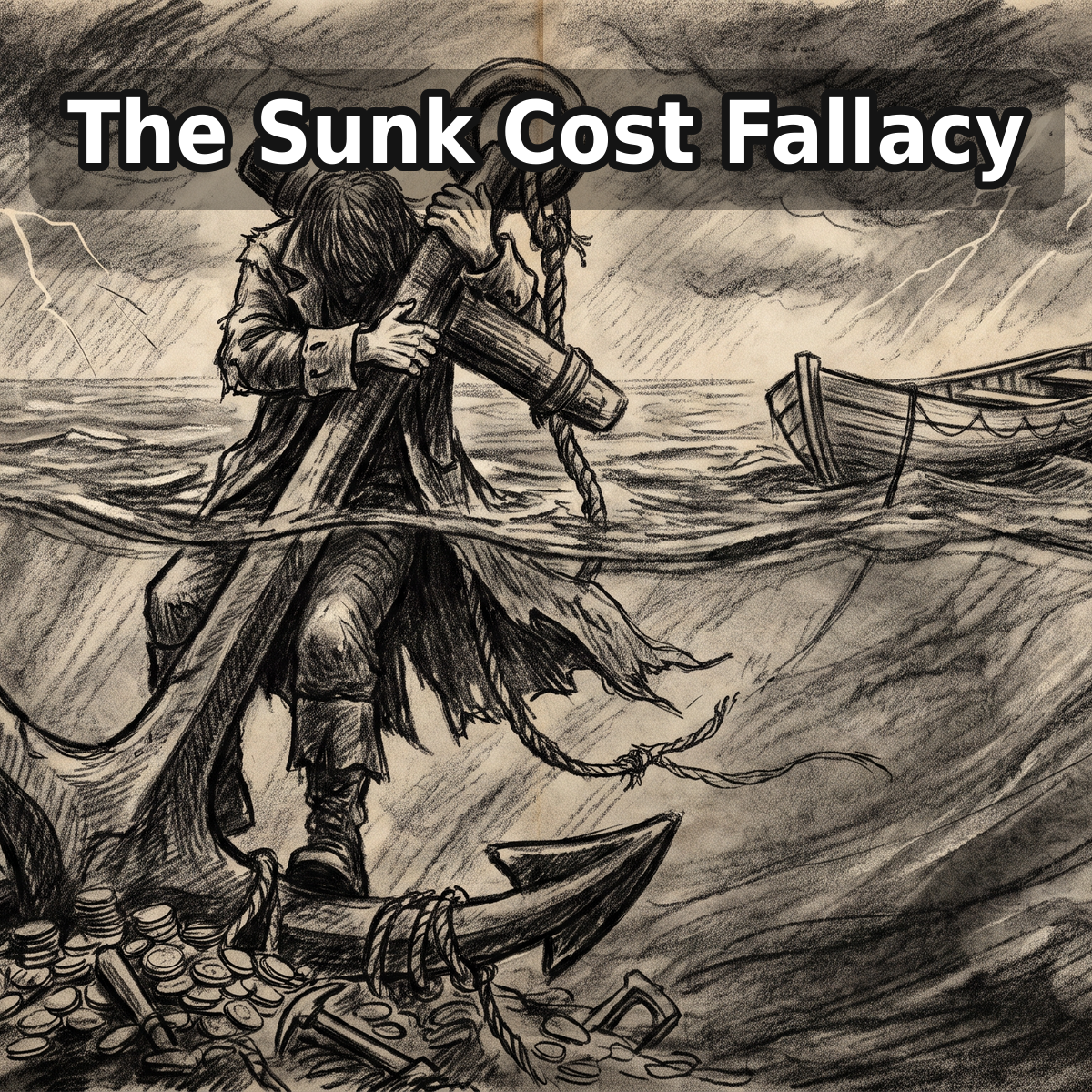
Day 3,225 – The Sunk Cost Fallacy

The sunk cost fallacy describes the tendency to continue investing in a losing proposition because of past investments that cannot be recovered. This often leads to greater losses and regret. The key is to evaluate if future rewards justify additional investment, or if it’s better to cut losses.

Read More

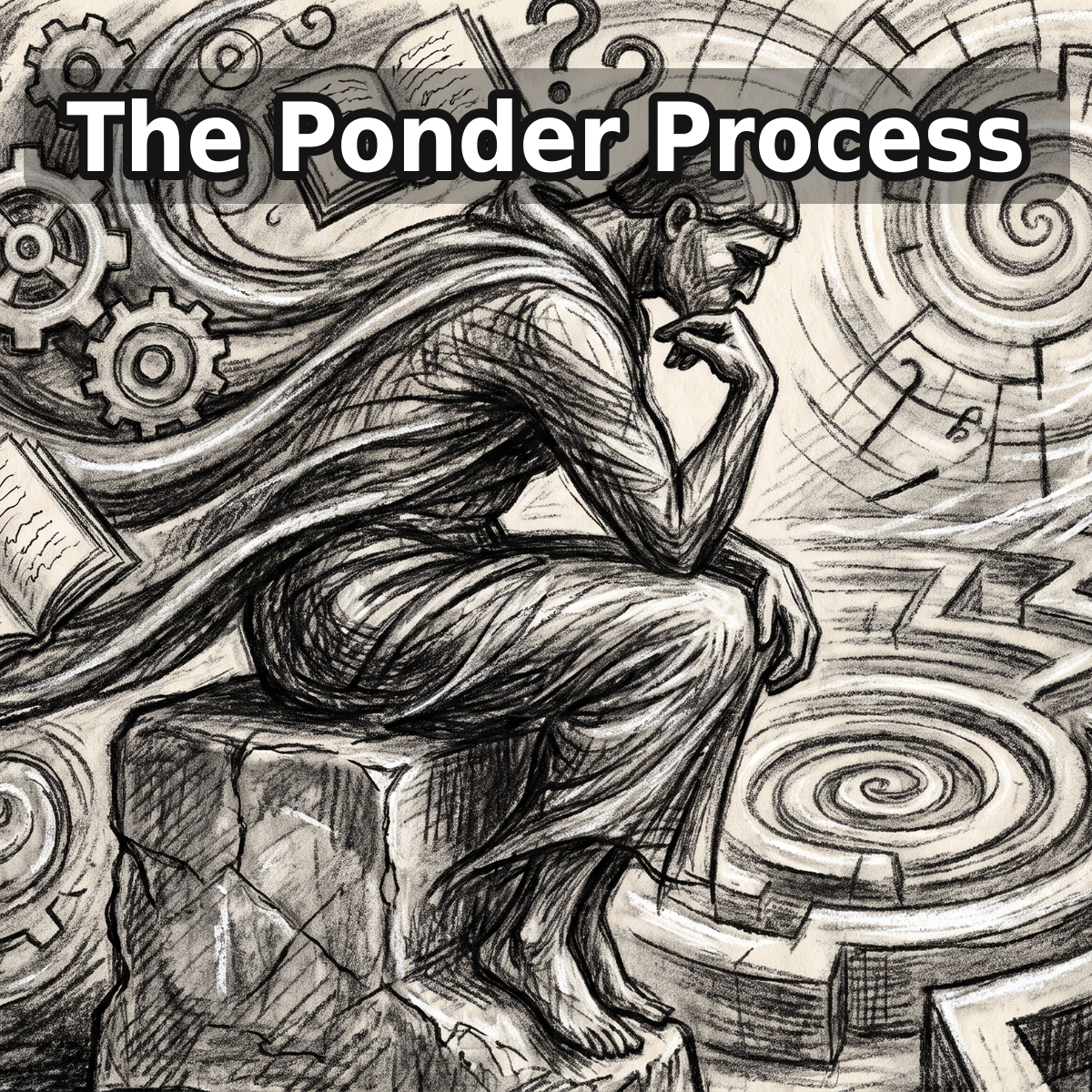
Day 3,224 – The Ponder Process

This article introduces a structured approach to pondering, moving beyond aimless thought to achieve clarity and actionable insights. It outlines a five-step process: defining the specific question, distinguishing facts from assumptions, identifying areas of influence, exploring multiple solutions, and concluding with a concrete action or a plan to revisit the issue.

Read More

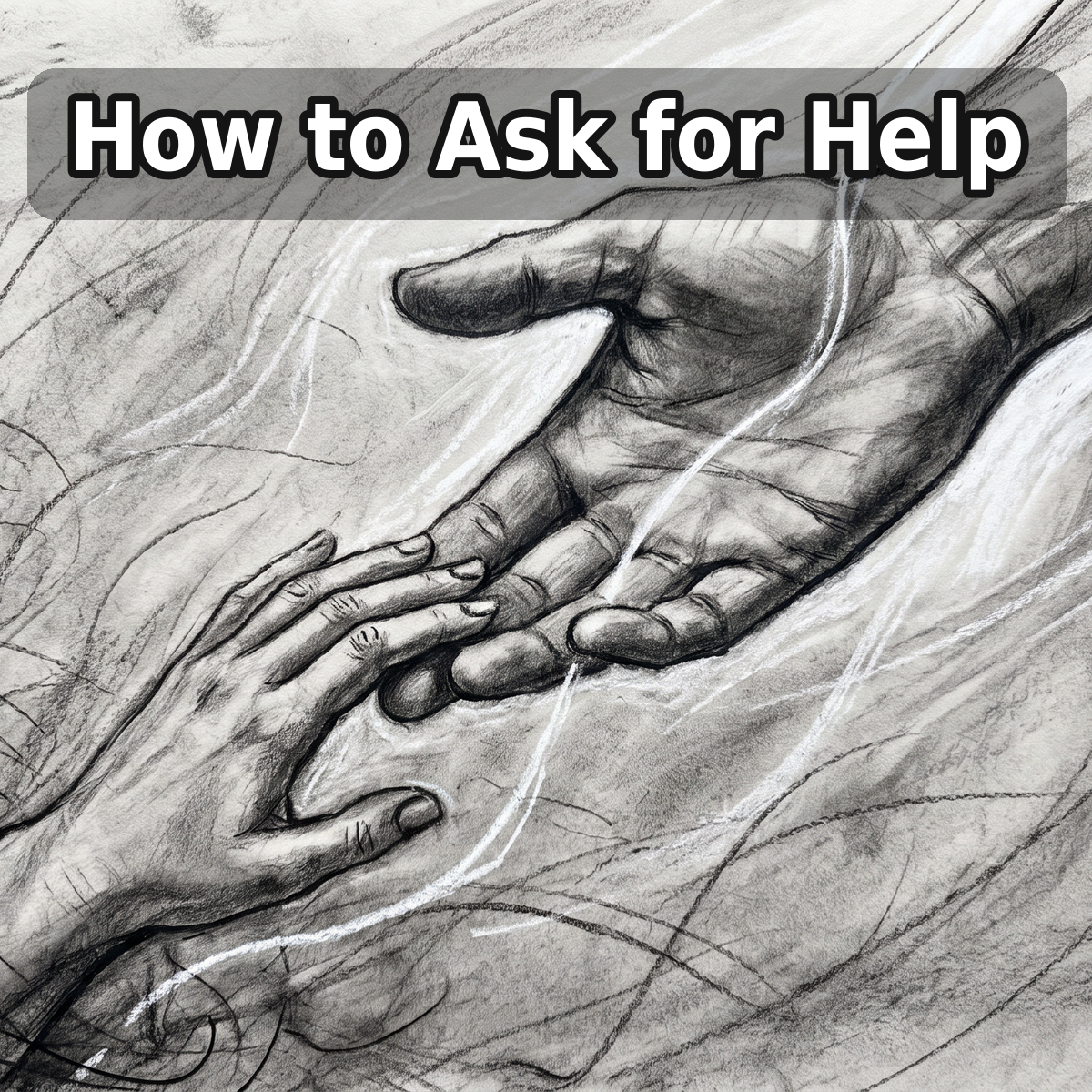
Day 3,223 – How to Ask for Help

This article explores the journey of overcoming a lifelong habit of pretending to know everything. The author shares personal insights on learning to ask for help, detailing a three-step process: admitting “I don’t know,” being specific about needs, and accepting assistance. Ultimately, the piece highlights how asking for help can strengthen relationships and foster genuine connection.

Read More
0
Would love your thoughts, please comment.x
()
x