A fascinating psychological process occurs when a person moves from believing they can accomplish something to recognizing they cannot. I have been here several times, both in physical challenges and mental ones. I have always had tremendous willpower and physical stamina. I have always believed that I can push through just about anything, until the moment I realize that I cannot.
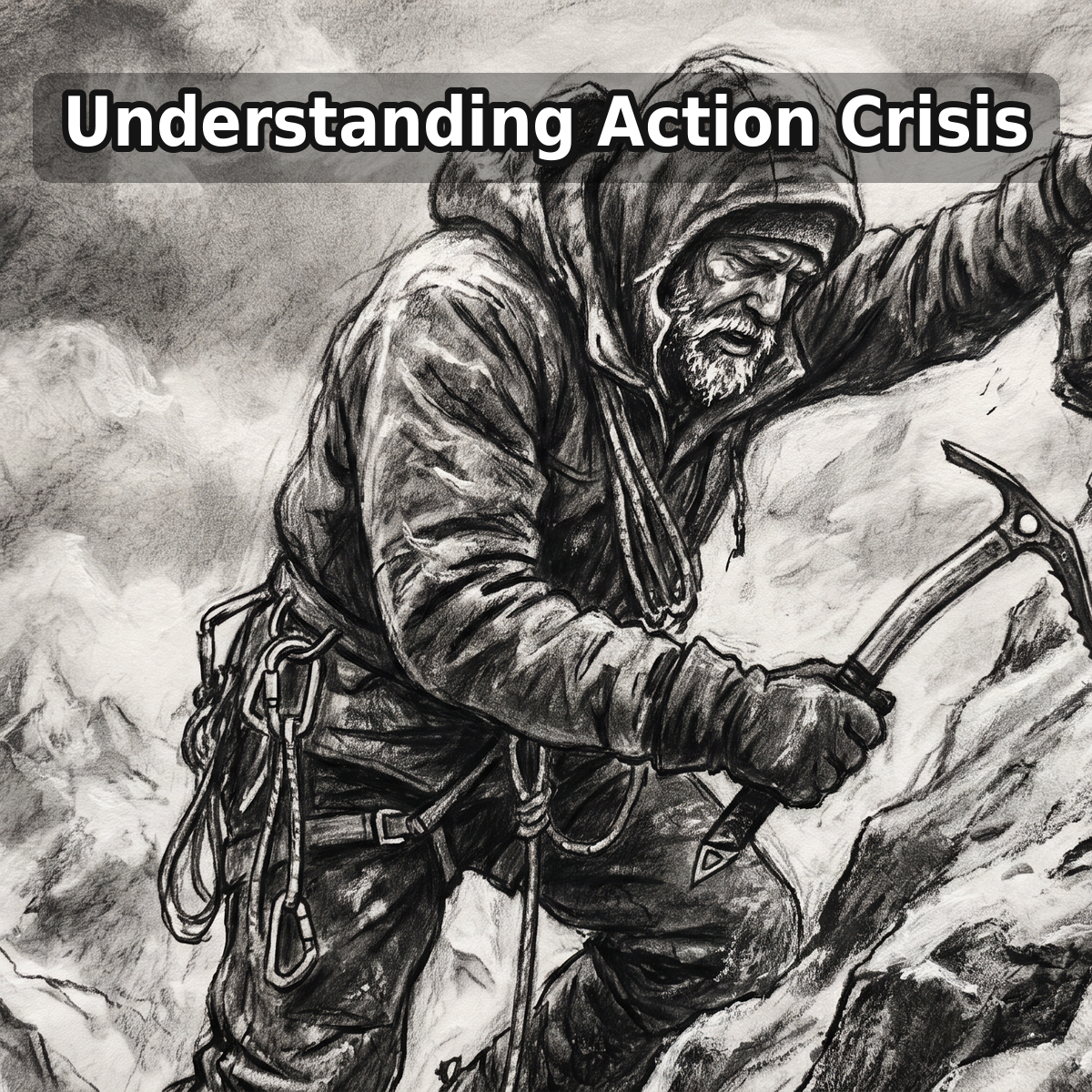
We all have heard the story of Rob Hall by now. The famous New Zealand mountaineer and tour guide that died on Mt. Everest. I am not sure you will find anyone with more grit and determination than he had. Contrary to popular belief, shaped in part by movies and books, his demise was not caused by reckless behavior. I think, on closer inspection, it was his bold determination not to let one of his clients perish on the mountainside that led to his death from exposure. He would simply not give up until all was lost, and even then, I think he pressed on.
Yet, even this fearless adventurer reached a point where he knew that he had failed. This is memorialized in his last words to his wife, taken by radio from his team. He was comfortable and not suffering, a sure sign of severe hypothermia. He had stopped, knowing full well that it was the end for him. I have never been in a situation that tough, but I have been in a few where either the people I was with or I was at the end of the line, and I had to finally accept defeat. That is not easy for someone who prides themselves on their ability to punch through almost anything.
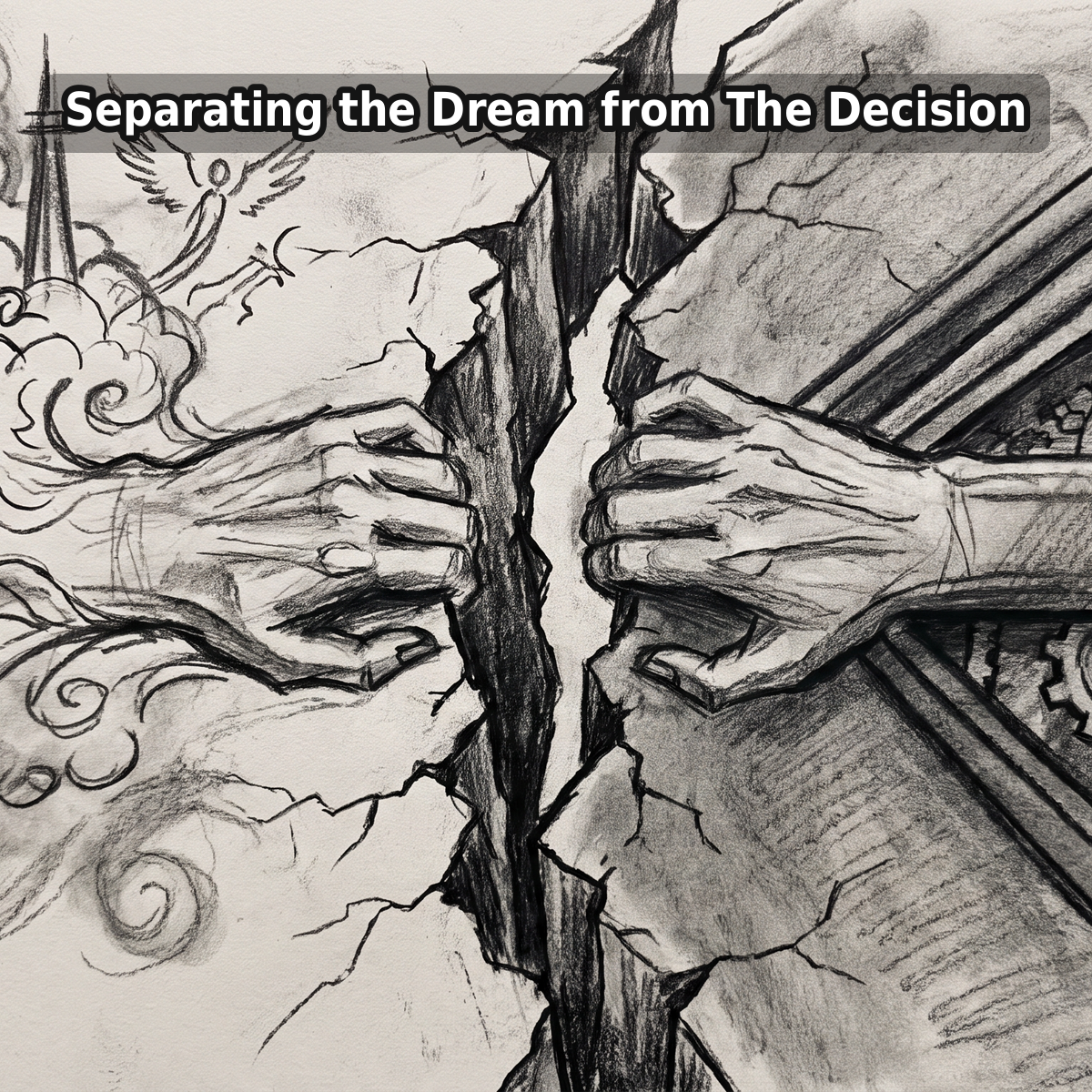
An action crisis is the moment, or more often the period, when your mind shifts from "How am I going to accomplish this?" to "Can I actually accomplish this at all?" This is a profound moment of crisis in the human mind. Before this point, you interpret obstacles as problems to solve. After this point, you begin interpreting those same obstacles as evidence that your goal may be unattainable. The eventual decision to release the goal is called goal disengagement. But I think the mental journey that gets you there is even more interesting.
A few times in my past, I have had to look a person square in the eyes and tell them that this is the end. The journey is over, and I am calling it. I recognize the soul’s unwillingness to give up, and in times of great crisis, someone needs to cut the process short, because you don’t have time to wait for people to come to the conclusion themselves. You can tell where someone is in the process; the pattern is always the same.
You encounter difficulty, and then you respond by trying harder. You become more determined; you tell yourself you need to keep pushing. Then you discover that even with this increased effort, it is not enough. You get frustrated, angry, and you even start to fight or deny the harsh reality in front of you. Then you come to a conclusion, and this is the moment when you start accepting that your resources, abilities, or circumstances needed to succeed are not there. You go through sadness, disappointment, and even grief. Finally, healthy people will then decide to release the commitment to the original goal and start to invest in a new one.
I think the critical moment is when your desire to achieve something finally becomes less influential than your assessment of reality. Consider the mountain climber. They have spent years preparing. They are within sight of the summit. Every part of their identity and ambition is telling them to continue. But their body is exhausted. The weather is deteriorating. The remaining daylight is insufficient. Eventually, something changes. They stop negotiating with reality. They realize the summit is no longer a reasonable objective under these conditions. This is an important distinction: Recognizing that you cannot accomplish something is not the same as losing your willingness to try. And it is not necessarily an accurate conclusion. Sometimes we underestimate our abilities and give up prematurely. Other times, continuing is genuinely dangerous or futile.
We spend a tremendous amount of time teaching people persistence, resilience, determination, and grit. We spend much less time teaching people how to recognize when persistence has become counterproductive. Yet these are two sides of the same skill: knowing when to keep going and knowing when to stop.